

Spot Bad Car Thermostat Symptoms Early and Avoid Costly Repairs
If you’ve ever found yourself staring at your dashboard, wondering why the temperature gauge is all over the place or why your heater suddenly stopped putting out warm air, you might be dealing with a bad car thermostat. This little device plays a big role in keeping your engine running at its optimal operating temperature, and when it goes bad, the problems can pile up quickly.
Below, we’ll break down the symptoms of a bad thermostat, how it affects your vehicle’s cooling system, and what you can do if things go wrong. If you’re in Henry County, IN, and need help, Don & Joe’s is here to help you understand and fix the issue without the guesswork.
What Does a Car Thermostat Do?
Your car’s thermostat is a small but vital valve that helps regulate the flow of coolant in your engine. It works within the internal combustion engine cooling system, maintaining the engine temperature so it operates efficiently.
When the engine is cold, the thermostat stays closed, allowing the engine to warm up quickly.
As the engine heats up and reaches optimal operating temperature, the thermostat opens, allowing coolant to flow through the radiator and preventing overheating.
A malfunctioning thermostat can cause coolant flow issues, leading to serious engine problems, including engine overheating and damage to the head gasket or engine block.
Symptoms of a Bad Thermostat You Shouldn’t Ignore
Let’s look at the common signs that something might be wrong with your vehicle’s thermostat.
Temperature Gauge Fluctuates or Reads High
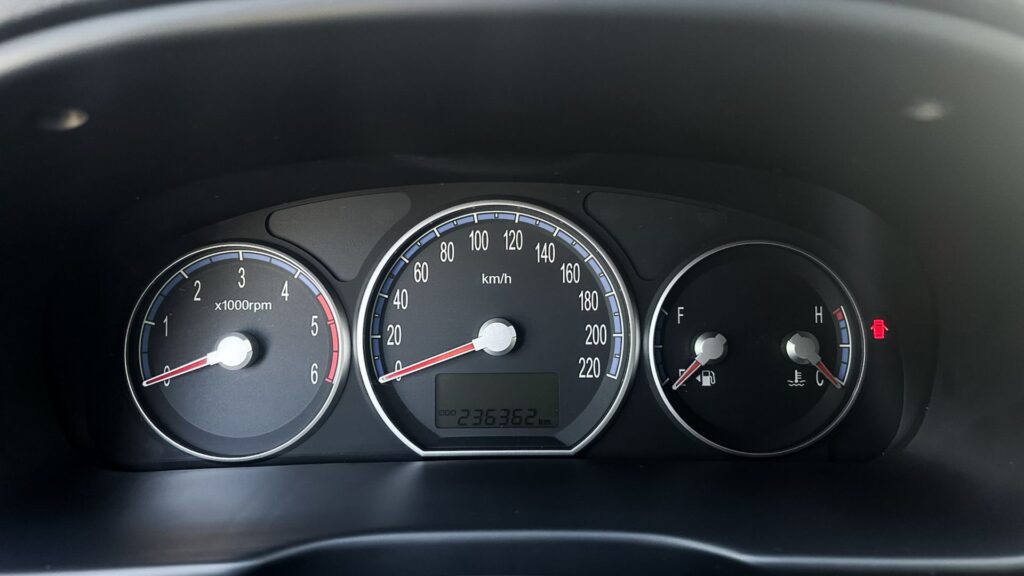
Pay attention to the temperature readings on your dashboard. If the gauge shows erratic or unusually high temperatures, this could be a sign that your thermostat is stuck in a closed position, preventing coolant from circulating.
- The gauge shows low, then spikes quickly? The thermostat may be stuck closed.
- The gauge never reaches operating temperature? The thermostat is stuck open.
Poor Cabin Heat from the Heater
If the heater in your vehicle isn’t producing enough warm air even after the car is warmed up, that could point to a failing thermostat. A stuck-open thermostat can prevent the engine from reaching the optimal temperature needed for effective heating.
Low Coolant or Coolant Leak Around the Thermostat
A small thermostat housing leak or a bigger coolant leak underneath the vehicle can occur when the thermostat causes the engine to overheat. Look for:
- Puddles under the car
- Signs of leaks around the thermostat or radiator
- Low coolant level in the reservoir
Leaks are not only messy but also dangerous for your engine.
Engine Overheating
This is one of the most alarming symptoms. A stuck closed thermostat prevents coolant from reaching the radiator, causing the engine temperature to rise quickly.
- Smell something hot or sweet? You might be burning coolant.
- Steam from under the hood? Pull over immediately.
Engine overheating due to a faulty thermostat can lead to cracked heads or a blown head gasket, quickly adding up to costly repairs.
Erratic Temperature Readings
Sometimes, the problem isn’t extreme overheating, but rather rapid fluctuations. Temperature readings that go up and down on the dashboard gauge can be due to a thermostat that’s partially opening and closing.
Erratic temperature readings on your dashboard can also cause issues with your vehicle’s air conditioning and heating, as consistent engine temperature is critical for both.
What Causes a Thermostat to Go Bad?
Thermostats aren’t immune to wear and tear. Corrosion, contamination from old coolant, and a sticking valve can all cause failure.
A bad thermostat can:
- Get stuck in a closed position, blocking coolant
- A stay-open thermostat will keep the engine too cool
- Have a thermostat valve that sticks due to grime
If your thermostat fails due to corrosion or improper coolant changes, it may need to be replaced sooner than expected.
How a Failing Thermostat Affects Performance
You may be thinking, “What’s the big deal?” A failing thermostat can cause:
- Poor fuel efficiency – Your engine burns more fuel when it doesn’t get up to optimal temperature
- Increased engine wear – Running hotter than usual damages internal engine parts
- Heating and air conditioning issues – The HVAC system depends on accurate engine temperature
- Cooling system strain – Overuse of fans, the water pump, and other components
Any of these issues can lead to a domino effect of repairs. Catching problems early reduces the risk of costly engine or radiator damage.
How to Confirm if the Thermostat is Bad
If you’re experiencing one or more of the signs outlined above, you might suspect a bad or faulty thermostat. One basic diagnostic trick? Use a pot of boiling water.
When removed, a functioning thermostat placed in boiling water should open. If it doesn’t, or opens at the wrong temperature, it’s time for a thermostat replacement.
Not sure? Let an expert check:
- Coolant level and quality
- Flow of coolant through the radiator
- Thermostat valve function
- Signs of leaks around the thermostat housing
These checks can reveal whether the thermostat is bad or if there’s another issue in the cooling system that needs attention.
How to Prevent Thermostat Issues
Your car’s heating and cooling system is one of the most critical components of vehicle longevity. Regular maintenance helps.
Here’s what you can do:
- Check coolant level and condition every season
- Flush and replace coolant based on manufacturer guidelines
- Watch for signs of a bad thermostat, especially during temperature swings
- Get your temperature gauge looked at if it starts to fluctuate
- Inspect the radiator and heater components for signs of leaks or rust
For full system service, including thermostat, radiator, and heater checks, Don & Joe’s offers reliable car heating and cooling system repair in Henry County, IN.
When to Replace the Thermostat
If the thermostat fails or gets stuck in an open or closed position, it needs to be replaced.
Replacing a thermostat is a straightforward process for a trusted mechanic. Waiting too long can put your engine, radiator, and even your fuel economy in danger.
Remember:
- A thermostat that’s stuck in the closed position can lead to overheating.
- A thermostat stuck open means the engine never reaches operating temperature.
Either way, ignoring these thermostat symptoms can lead to costly repairs down the road.
Final Thoughts: Don’t Ignore the Signs
A functioning thermostat is one of those parts you rarely think about – until it stops working.
Don’t wait until you’re stranded with steam pouring out from under the hood. If you’ve noticed odd temperature readings, leaks, or poor heater performance, it could be a sign of a bad thermostat.
Catching a bad car thermostat early can save you from a lot of frustration and expense. At Don & Joe’s, we’re here to help make sure your vehicle stays in shape. If you suspect your thermostat isn’t working right, reach out for a professional inspection today.
Keeping your car at the right temperature isn’t just about comfort; it’s about keeping your engine running strong in all seasons.