
Blog

Your blog category

Vehicle Heater Not Working? 6 Common Causes and Quick Fixes

Vehicle Heater Not Working? 6 Common Causes and Quick Fixes

Vehicle Heater Not Working? 6 Common Causes and Quick Fixes There is nothing quite like turning on your car heater on a cold Indiana morning, only to get a blast of cold air in return. If your car heater isn’t working, you are not alone. It is one of the most frustrating vehicle problems, especially when temperatures drop, and you are relying on your cabin heat to stay comfortable and safe on the road. The good news is that most heater problems have identifiable causes. Understanding what is going wrong can help you decide whether this is something you can address yourself or whether it is time to call in the professionals. Reasons Why Your Car Heater Is Not Blowing Hot Air Before jumping to conclusions, it helps to know how your heater actually works. Your car’s heating system uses heat from the engine coolant to warm the air that flows into your cabin. The coolant absorbs heat from the engine, travels through the heater core, and then the blower motor pushes air through the heater core and into your vehicle’s vents. When any part of that process breaks down, your heater isn’t blowing hot air as it should. Here are the most common possible causes behind a broken heater. Low Coolant Level One of the most straightforward reasons why your car heater stops working is a low coolant level. The heater core functions like a small radiator inside your dashboard, and it needs a steady supply of hot antifreeze to warm the air coming into your cabin. If the coolant level is too low, there simply is not enough hot fluid flowing through the system to produce warm air from the heater. Check your coolant level by locating the reservoir under the hood. If it is below the minimum line, topping it off may restore heat quickly. However, consistently low coolant can signal a leak somewhere in the cooling system, which needs immediate attention to prevent the engine from overheating. A Faulty Thermostat The thermostat controls when coolant flows from the engine to the radiator. If you have a faulty thermostat that is stuck open, coolant circulates continuously without ever reaching the proper engine temperature. As a result, the heater core never receives enough hot coolant to produce warm air, leaving you with nothing but lukewarm air or cool air at best. Replacing a thermostat is a relatively affordable fix, but it needs to be done correctly to avoid engine overheating or other complications. A faulty heater situation caused by a bad thermostat is easy to diagnose with the right tools. Clogged Heater Core The heater core can become restricted over time. Rust, debris, and mineral buildup inside the cooling system can clog the small tubes inside the heater core, preventing coolant from flowing through properly. When coolant flow to the heater is blocked, the heater core won’t transfer heat from the engine coolant to the cabin air the way it should. A clogged heater core sometimes comes with additional symptoms, like a sweet antifreeze smell inside the cabin or foggy windows. If you notice those signs, it is worth having the system inspected before the problem escalates. Blower Motor Issues Even if your heater core is working correctly, a malfunctioning blower motor means no air from the heater core will reach you. The blower motor pushes air through the system and out through the vents. If the motor itself, the resistor, or even a fuse related to the blower stops working, you might get heat in your vehicle that stays cold because the airflow simply is not happening. If you notice the heater is not blowing at all on certain fan settings, a worn resistor or failing blower motor is likely the culprit. Air Pockets in the Coolant System Air pockets in the coolant system are another sneaky cause of heater problems. Trapped air in the lines can prevent the heater from circulating engine coolant to the cabin the way it should. This often happens after a coolant flush or repair if the system is not properly bled. Bleeding the cooling system removes air pockets and restores normal coolant flow through the heater core. Heater Control Valve Problems The heater control valve regulates how much coolant flows into the heater core. A damaged or stuck heater control valve can restrict or completely cut off coolant from flowing, which will prevent the heater from producing hot air. This is a component that does not always get immediate attention, but it plays a key role in a functioning heater. When to See a Professional Car heater problems can range from a simple coolant top-off to more complex repairs involving the heater core or blower motor. If you have checked the coolant level and the heater isn’t working properly, it is time to have it professionally diagnosed. Most issues causing your car heater to underperform are best handled by an experienced technician with the right diagnostic tools. At Don and Joe’s Auto Service, the team offers auto heating and cooling system repair alongside professional engine repair services, routine preventative maintenance services, and advanced vehicle computer diagnostics to pinpoint exactly what is causing your vehicle’s heater to not perform as expected. Conclusion A car heater isn’t working correctly when something breaks down in the heating system, whether it includes low coolant levels, a broken heater core, or a blower motor issue. Do not ignore the warning signs. The team at Don and Joe’s Auto Service in New Castle and Henry County, IN, has been helping drivers stay warm and safe since 1977.  If your vehicle’s heater isn’t keeping you comfortable this season, give them a call at 765-529-3555 or visit donandjoesautoservice.com to schedule your inspection today.

Vehicle Heater Not Working? 6 Common Causes and Quick Fixes Read More »

5 Causes Of Car AC Not Blowing Cold Air And How To Fix Them Fast

5 Causes Of Car AC Not Blowing Cold Air And How To Fix Them Fast

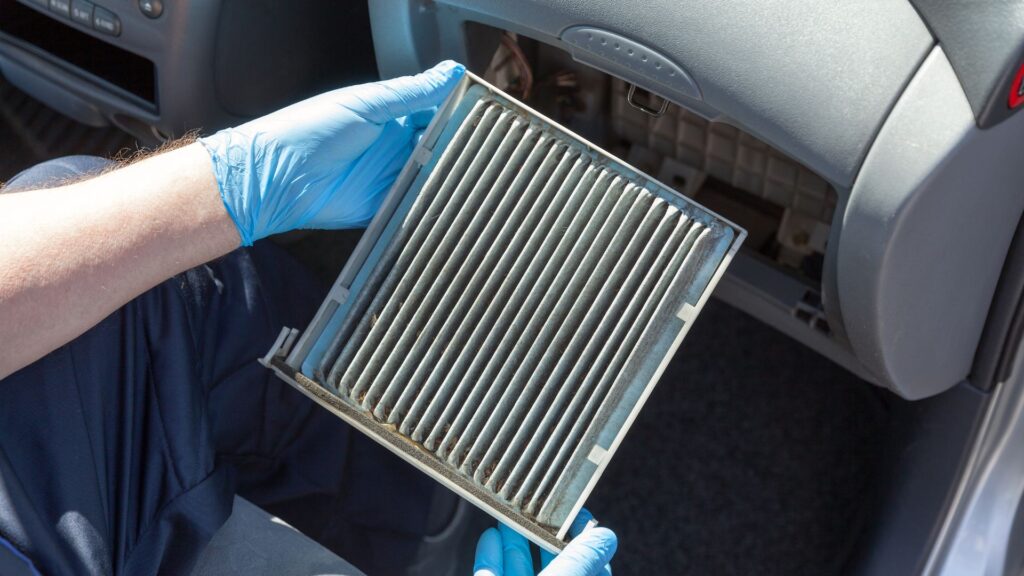
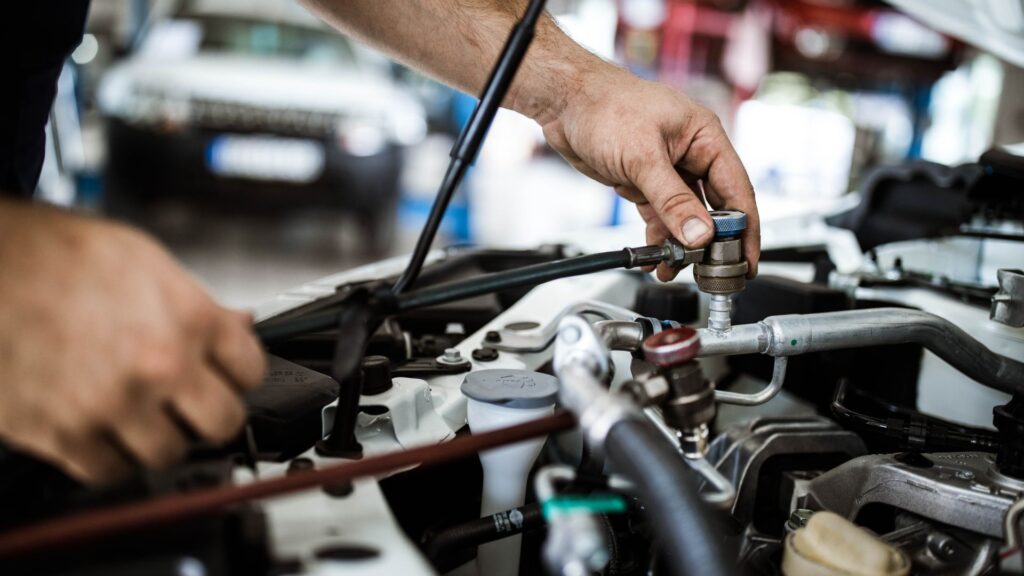
5 Causes Of Car AC Not Blowing Cold Air And How To Fix Them Fast There are few things more miserable than sitting in traffic during the hot summer months and realizing your car’s AC system is blowing warm air instead of keeping you cool. It’s one of those problems that feels minor until it isn’t, and by the time most drivers notice their car’s AC isn’t blowing cold air, the issue has often been building for a while. The good news is that the most common car AC problems have clear causes and real solutions. Let’s walk through what’s likely going wrong and what you can do about it. Low Refrigerant Level – The Most Common Reason Your AC Stops Working If your AC is not blowing cold air, low refrigerant is almost always the first place to look. Refrigerant is the substance that absorbs heat from the air inside your vehicle and releases it outside, and without enough of it, the cooling process breaks down entirely. A low refrigerant level usually points to an AC leak somewhere in the system. Refrigerant doesn’t just disappear on its own. It escapes through worn O-rings, damaged hoses, or small cracks in the lines. An AC leak that goes unaddressed can eventually cause your AC to stop working altogether. Fixing this isn’t a DIY job. Handling AC refrigerants requires specialized equipment and certification. A professional technician can locate the leak, make the necessary repairs, and recharge the system to the correct pressure. A Faulty Compressor That Isn’t Moving Refrigerant The AC compressor is responsible for circulating refrigerant through the system. Think of it as the heart of your car’s air conditioning system; when it fails, nothing else works properly. A failing compressor often comes with warning signs. You might hear a loud noise when you turn on the AC, notice that the air temperature barely drops, or find that the system cycles on and off erratically. A faulty compressor can also be caused by the AC compressor clutch failing to engage, which prevents the unit from running at all. Running the AC infrequently, especially through the winter, can actually cause the compressor to seize due to a lack of lubrication. The best way to prevent this is to run your air conditioner for a few minutes every few weeks, even when it’s cold outside. A Clogged Or Dirty Cabin Air Filter Blocking Airflow This one surprises a lot of drivers. A clogged or dirty cabin air filter doesn’t just reduce air quality; it restricts airflow so significantly that it can prevent your AC from cooling effectively, even if everything else in the system is working correctly. The dirty cabin air filter is one of the most overlooked parts of vehicle maintenance. Dust, pollen, debris, and other pollutants build up over time. A clogged filter will cause the system to work harder while delivering weaker results. Most manufacturers recommend replacing the cabin air filter every 15,000 to 25,000 miles. Replacing a cabin air filter is one of the easier fixes on this list and a standard part of preventative vehicle maintenance services. If you haven’t had yours checked recently, it’s worth looking into. Condenser Problems That Reduce Cooling Performance The condenser sits at the front of your car, just in front of the radiator, and its job is to release the heat that the refrigerant absorbs from inside the cabin. If the condenser gets blocked by debris, bugs, or dirt, it can’t do its job, and your AC’s cooling efficiency drops fast. In more serious cases, the condenser itself can develop a leak or sustain physical damage. A damaged condenser will cause your AC to blow warm air, and it can also lead to issues like low refrigerant over time as the system slowly loses its charge. Cooling fans near the condenser also play a role. If the cooling fans aren’t spinning properly, heat can’t escape the system efficiently, and you’ll feel the difference inside the cabin. Electrical Issues That Cause AC Failures Electrical problems are often overlooked when diagnosing AC issues, but they’re more common than most people expect. A blown fuse, a faulty relay, or damaged wiring can prevent the entire system from functioning, even if the compressor and refrigerant are perfectly fine. Electrical issues can be tricky to track down without the right tools. This is where advanced vehicle computer diagnostics make a real difference, allowing technicians to identify sensor failures, wiring problems, and control module errors quickly and accurately. If your AC stopped working suddenly with no obvious cause, electrical problems are a strong possibility worth investigating. What You Can Do Right Now Before assuming the worst, check a few basics: Make sure your cabin air filter has been replaced recently Listen for unusual noises when you turn on the AC Check whether the air coming through the vent feels slightly cool or completely warm Look under the hood for any visible damage near the condenser For anything beyond a filter swap, it’s smart to bring your vehicle in for a professional inspection. Issues like low refrigerant, a faulty compressor, or AC leak repairs require proper tools and expertise to handle safely. The team at Don and Joe’s Auto Service offers complete auto repair services, including full auto heating and cooling repair services for drivers in New Castle, IN. With ASE-certified technicians and honest, straightforward service, keeping your car’s AC system in top shape doesn’t have to be complicated. Conclusion A car AC that isn’t cooling effectively isn’t something to ignore, especially when summer heat sets in. Whether the culprit is low refrigerant, a faulty compressor, a dirty cabin air filter, or electrical problems, catching the issue early saves time and money. Don and Joe’s Auto Service has been helping New Castle drivers stay comfortable on the road since 1977.  Call 765-529-3555 or visit donandjoesautoservice.com to schedule your AC inspection and get back to riding cool.

5 Causes Of Car AC Not Blowing Cold Air And How To Fix Them Fast Read More »

Ignition Coil vs Spark Plug: What's Really Behind Your Engine Misfire?

Ignition Coil vs Spark Plug: What’s Really Behind Your Engine Misfire?

Ignition Coil vs Spark Plug: What’s Really Behind Your Engine Misfire? Your check engine light is on. Your car shakes at idle. It hesitates when you press the gas. Sound familiar? Before you start worrying about major engine trouble, there’s a good chance the culprit is somewhere inside your vehicle’s ignition system, specifically, either a spark plug or an ignition coil. These two parts work together to keep your engine running smoothly, but they fail in different ways. Knowing which one is the problem can save you time, money, and a lot of guesswork. What’s the Difference Between a Spark Plug and an Ignition Coil? They’re both parts of the ignition system, but they do very different jobs. A spark plug is the part that actually fires inside the engine. It sits inside the combustion chamber and uses an electric spark to ignite the air-fuel mixture, which pushes the piston down and keeps your engine moving. Every cylinder has its own spark plug, and each one fires hundreds of times per minute. An ignition coil is essentially a transformer. The ignition coil transforms the battery’s low voltage, typically around 12 volts from your automotive battery, into the high voltage needed to create a spark strong enough to ignite the fuel mixture. Without it, the spark plug has no energy needed to fire. In short, the coil generates that voltage, and the spark plug uses it to fire inside the combustion chamber. How a Bad Spark Plug Causes a Misfire Spark plugs wear down over time. As the plug gap widens from normal wear or as carbon buildup coats the tip, the plug struggles to produce a spark consistently. When that happens, your engine misfires. A bad spark plug is one of the most common reasons drivers experience rough idle, poor fuel economy, sluggish acceleration, and intermittent stalling. The longer you wait, the worse it gets. Worn plugs ignite the air-fuel mixture inefficiently, which puts extra strain on your catalytic converter and can eventually cause engine damage. Most manufacturers recommend replacing spark plugs every 30,000 to 100,000 miles, depending on the type. Copper plugs wear faster, while iridium and platinum plugs last longer. Choosing the wrong heat range for your engine can also cause problems. The wrong plug can damage surrounding components if it runs too hot or too cold. How a Bad Ignition Coil Causes a Misfire A bad ignition coil tells a slightly different story. Instead of gradual wear like spark plugs, coils may fail suddenly or intermittently, which makes them trickier to diagnose. When a coil fails, it can’t transform the battery’s low voltage into the high voltage needed to fire the spark plug. The result? That cylinder misfires, your engine stumbles, and your fuel economy drops. In some cases, you’ll notice misfire codes pointing to one cylinder specifically, which is a strong clue that a coil-on-plug setup may have a failing coil. A faulty coil can also cause your engine to still misfire even after you’ve replaced the spark plugs. If you swapped new spark plugs and the problem didn’t go away, a bad ignition coil is likely the next thing to check. Aftermarket coils vary in quality, so it’s worth letting a professional mechanic choose the right replacement coil for your specific vehicle. Spark Plugs and Ignition Coils: How They Work Together You can’t really talk about one without the other. Coil packs and spark plugs work as a team. The ignition coil and spark plug are connected directly in modern coil on plug systems, meaning each cylinder gets its own coil. When either component fails, the whole cylinder suffers. Unburned fuel can foul the oxygen sensor, damage the catalytic converter, and put stress on the crankshaft and compression system over time. What starts as a simple misfire can turn into something much more serious. How to Diagnose the Problem The fastest way to figure out whether you have a spark plug or coil issue is with a scan tool. Engine misfires almost always trigger a code that points to the affected cylinder. From there, a mechanic can use a spark tester to check whether the plug or the coil is the weak link. At Don and Joe’s Auto Service, the team uses advanced vehicle computer diagnostics to get accurate answers fast. Guessing at parts wastes money. Diagnostics point you directly to the source. An ignition system inspection also checks plug gap, coil voltage output, and wire condition, giving a full picture of what’s going on under the hood. When to Get Your Vehicle Checked Don’t wait for a breakdown. If your car’s engine is misfiring, running rough, or showing a check engine light, it’s time to act. Staying on top of routine preventative maintenance services is the best way to catch spark plug and coil issues before they create bigger headaches. For anything more involved, the ASE-certified team at Don and Joe’s Auto Service provides professional engine repair services and comprehensive auto repair services that Henry County, IN, drivers have trusted since 1977. Call 765-529-3555 or visit donandjoesautoservice.com to schedule your appointment. Conclusion A misfire rarely fixes itself. Whether the issue is a worn spark plug, a faulty ignition coil, or both, catching it early protects your engine and your wallet. Don and Joe’s Auto Service in Henry County, IN, has the experience and diagnostic technology to find the real problem fast. Skip the guesswork, get an accurate diagnosis, and drive with confidence knowing the repair was done right the first time. Reach out today and let the team get you back on the road safely.

Ignition Coil vs Spark Plug: What’s Really Behind Your Engine Misfire? Read More »

What Can Damage a Car Engine? 12 Common Mistakes Drivers Should Avoid

What Can Damage a Car Engine? 12 Common Mistakes Drivers Should Avoid

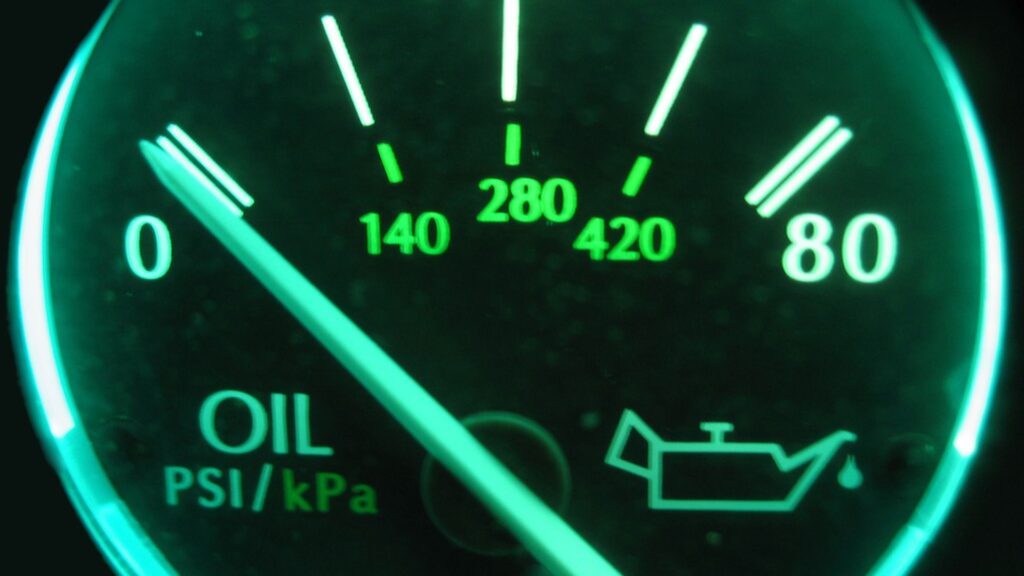
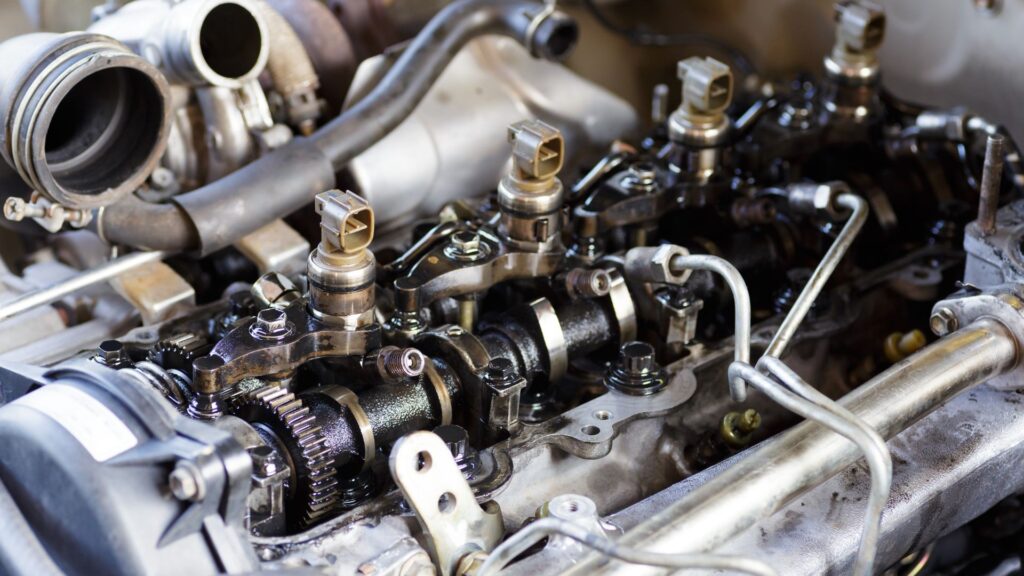
What Can Damage a Car Engine? 12 Common Mistakes Drivers Should Avoid Your engine is the heart of your vehicle. When it runs well, you barely think about it. But when something goes wrong, you feel it immediately, and so does your wallet. Understanding what causes engine damage can save you from costly repairs down the road and keep your car running the way it should. Here are 12 mistakes that drivers in Henry County, IN, and beyond make far too often. Skipping Oil Changes Engine oil keeps the moving parts of the engine from grinding against each other. When you skip oil changes, old motor oil breaks down and loses its ability to lubricate properly. Without proper lubrication, metal parts create friction and heat that wear down engine components at an alarming rate. Low oil levels or dirty oil in the engine are among the most common causes of preventable engine failure. Ignoring Dashboard Warning Lights Your car is constantly talking to you through its dashboard warning lights. The check engine light, in particular, is not something to dismiss. Modern cars use sensors and advanced computer diagnostics testing to flag problems early before they become major repairs. Ignoring these signals can turn a small issue into a very expensive one. Letting the Engine Overheat Overheating is one of the fastest ways to destroy the engine. When the cooling system fails or coolant runs low, temperatures inside the engine climb to dangerous levels. A blown head gasket, warped cylinder walls, or a cracked engine block can all result from sustained overheating. If you see the temperature gauge climbing, pull over safely. Do not keep driving. Running Low on Coolant Coolant, sometimes called antifreeze, keeps your engine from running too hot. A coolant leak may seem minor, but over time, it can cause overheating that leads to a blown head gasket or worse. Checking coolant levels regularly and scheduling automotive heating and cooling system repair at the first sign of trouble is a smart move for any driver. Neglecting the Timing Belt or Timing Chain The timing belt (or timing chain in some vehicles) keeps the engine’s internal components synchronized. When it snaps, the results can be catastrophic, especially in an interference engine, where the piston and valve can collide. Replacement is far cheaper than dealing with a bent valve, damaged piston, or crushed engine components after a belt failure. Most manufacturers recommend changing it between 60,000 and 100,000 miles. Driving with a Leaking Head Gasket The head gasket seals the combustion chamber and separates coolant and oil passages. When the gasket fails, coolant or oil can leak into places they should never be. A blown head gasket can allow coolant to mix with oil, reducing lubrication and causing serious damage to the engine over time. If you notice white smoke from the exhaust or a sweet smell near your hood, get it checked immediately. Ignoring an Oil Leak An oil leak left unchecked is a ticking clock. As oil drips away, the oil levels drop, leaving engine parts without adequate lubrication. Eventually, the engine may seize completely. Puddles under your car, burning smells, or smoke from under the hood are all signs of a leak that needs attention right away. Using the Wrong Fuel or Contaminated Gas Putting the wrong type of fuel in your gas tank, or running contaminated gasoline, can cause significant damage to fuel injectors, the fuel pump, and other internal components. Water or debris in the fuel tank can clog the fuel filter, disrupt the combustion process, and lead to reduced fuel efficiency or engine misfire. If you suspect contaminated fuel, do not continue driving. Flooding the Engine with Water Driving through deep water might seem harmless, but it can hydrolock your engine. When water enters the intake and reaches the cylinder, the piston cannot compress liquid the way it compresses air. This can bend connecting rods or crack the engine block instantly. If your car stalls in water, do not attempt to restart it. Have it towed immediately to avoid making the situation worse. Neglecting the Fuel Filter A clogged fuel filter restricts the flow of gasoline to the engine, causing poor fuel economy and forcing the fuel pump to work harder than it should. Over time, this can damage the engine’s ability to maintain proper combustion and put extra strain on multiple engine parts. Replacing the fuel filter on schedule is a simple part of routine preventative maintenance that many drivers overlook. Ignoring Strange Noises or a Misfire Knocking, ticking, or a noticeable engine misfire are signals that something inside the engine is wrong. These symptoms can point to anything from a failing injector to worn piston rings or low oil pressure. Modern engines are designed with tolerances that leave little room for error – catching problems early through complete auto repair services prevents small issues from escalating into catastrophic ones. Poor Driving Habits Aggressive acceleration, hard braking, and consistently redlining the engine put extra wear and tear on engine components. Bad driving habits can wear down critical parts over time in ways that are easy to miss until the damage is already done. Combine that with skipped maintenance and corrosion from road conditions, and you have a recipe for expensive repairs that could have been avoided. Protect Your Engine Before It Is Too Late Staying on top of maintenance is the best way to protect your investment. If you notice any of these warning signs, the team at Don and Joe’s Auto Service in Henry County, IN, is ready to help. From professional engine repair services to full diagnostics, the certified technicians have been keeping engines running strong since 1977.  Call 765-529-3555 or visit Don & Joe’s Auto Service to schedule your appointment and prevent costly repairs before they become engine damage you cannot ignore.

What Can Damage a Car Engine? 12 Common Mistakes Drivers Should Avoid Read More »

Car Won't Start, But The Battery Is Good? Here's What's Really Going On

Car Won’t Start, But The Battery Is Good? Here’s What’s Really Going On

Car Won’t Start, But The Battery Is Good? Here’s What’s Really Going On You turn the key, and nothing happens. Or maybe you hear a click, or the dash lights flicker, but the engine just refuses to cooperate. You’ve already checked the battery; it’s fine. So what’s the problem? This is one of the most frustrating situations a driver can face. The good news is that a battery is only one piece of the starting puzzle. Several other components have to work together every time you try to start the car, and any one of them can fail without warning. Let’s break down the most common reasons why your car won’t start even when the battery is good. What Actually Happens When You Turn the Key Understanding the starting system helps you troubleshoot the problem more effectively. When you turn the key or press the start button, a signal travels through the ignition switch to the starter relay, which then sends power from the automotive battery to the starter motor. The starter motor spins the engine over, and once combustion begins, the engine runs on its own. If any part of that chain breaks down, the switch, the relay, the starter, the wiring, or even the fuel system, your car won’t crank, even with a fully charged battery. Common Reasons Your Car Won’t Start (With a Good Battery) The Starter Motor Has Failed The starter motor is one of the most common culprits. When you hear a loud click or rapid clicking noises, but the engine doesn’t turn over, that often points to a bad starter. The click when you try to start the engine is the solenoid engaging, but without enough mechanical force, the engine won’t move. A faulty starter motor can also cause complete silence when you turn the key. f the dash lights come on but there’s complete silence when you turn the key, the starter or starter relay may have given out entirely. This is often described as a situation where everything works fine electrically, but the engine itself won’t crank. Corroded or Loose Battery Connections Even when the battery is fully charged and passes a load test, corroded battery terminals can block the flow of electricity. Corrosion builds up on the battery post and battery cable connections over time, and even a small amount of buildup can prevent enough cranking amps from reaching the starter. Check the battery connections closely. If you see a white or greenish buildup where the cable meets the terminal, that could be your problem. Loose or corroded battery clamps cause the same issue; the battery voltage is fine, but the current can’t get through. Cleaning the battery terminals and tightening the connections is a simple fix that’s easy to overlook. A Failing Alternator Many drivers assume their car battery is the issue when, in reality, it’s a bad alternator that slowly drained it overnight. The alternator charges the battery while the engine runs. If you have alternator problems, the battery drains even when you think it’s holding a charge. A battery and alternator issue often looks identical from the driver’s seat. If your battery is good but keeps dying, or your car starts fine for a day or two after a charge and then fails again, alternator problems are worth investigating. A mechanic can test the alternator’s output voltage with a multimeter to determine whether it’s the source of your starting problems. The Ignition Switch Is the Problem The ignition switch is what sends the initial signal when you turn the key. If it fails, the starting system never gets that command, even if every other component is in perfect condition. A failing ignition switch can cause intermittent starting issues where the car starts sometimes but not others. You might notice that the dashboard lights come on but the engine doesn’t respond when you try to start the car. An electrical wiring fault inside the switch or a worn-out contact is enough to cause a complete no-start condition. A Bad Fuel Pump Sometimes the issue isn’t electrical at all; it’s the fuel system. If the fuel pump fails, the engine gets no gas, and it simply won’t start, no matter what. One way to check is to listen carefully when you first turn the key to the “on” position, before you crank. A working fuel pump makes a brief humming sound as it pressurizes the fuel system. If you hear nothing, the fuel pump could be the issue. A mechanic with the right diagnostic tools can confirm this quickly. Neutral Safety Switch or Brake Sensor If you drive an automatic, the neutral safety switch prevents the engine from starting unless the gear selector is in park or neutral. A faulty switch can trick the car into thinking it’s in gear, which stops the car from starting entirely. Similarly, many modern vehicles require you to press the brake pedal to start the engine. If the brake sensor fails, the system may not recognize that the brake is being applied, and the car won’t respond when you push the start button or turn the key. A Blown Fuse It sounds simple, but a blown fuse in the fuse box can cut power to the starting system or the fuel pump. Before spending money on bigger repairs, it’s worth having a mechanic check the fuse box for any failed fuses related to the ignition or fuel circuits. Should You Try to Jump Start the Car? A jump start only helps if a dead battery or a weak battery is the actual problem. If the battery is good and something else is causing the issue, using jumper cables and jumper clamps won’t solve the problem; it just rules out a dead battery as the cause. If you get a jump start and the car starts, then dies shortly after, that points toward a bad alternator failing to recharge the battery while driving. If the jump start does nothing at all, the issue is

Car Won’t Start, But The Battery Is Good? Here’s What’s Really Going On Read More »

Why Your Check Engine Light Comes On And Off And What To Do Next

Why Your Check Engine Light Comes On And Off And What To Do Next

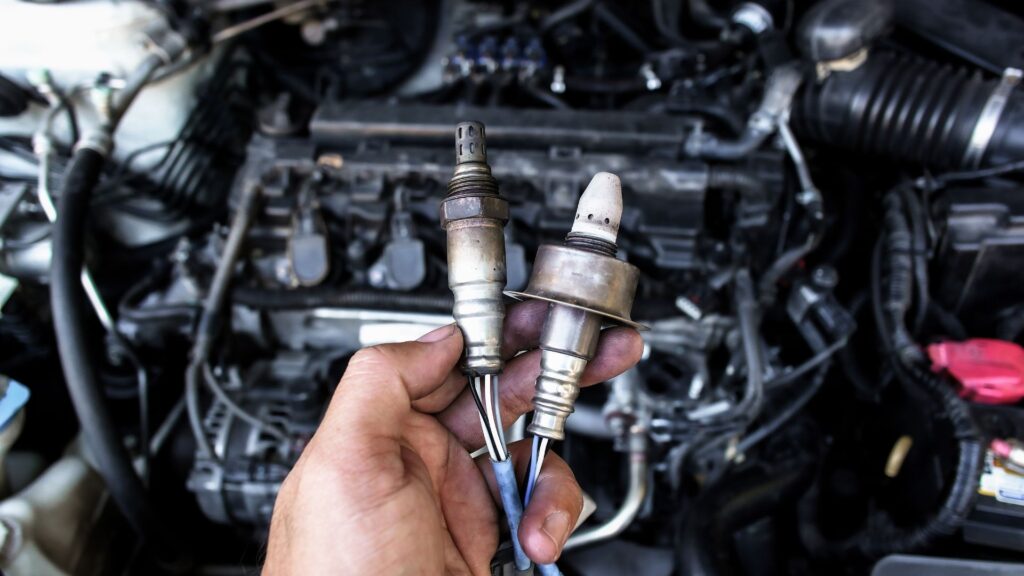
Why Your Check Engine Light Comes On And Off And What To Do Next That little amber glow on your car dashboard can trigger instant anxiety. You glance down, see the check engine light staring back at you, and then, just as quickly, it disappears. What is going on? Is your car about to break down, or is it nothing serious? The truth is, the answer depends. That light could mean something minor, or it could be your vehicle’s way of flagging a real problem before it gets worse. Either way, ignoring it is never the right move. What the Check Engine Light Is Actually Telling You When something goes wrong inside your vehicle’s engine or related systems, the onboard diagnostics system detects it and triggers that familiar warning light on your instrument panel. It is part of a system called OBD-II (on-board diagnostics), which has been standard on vehicles since 1996. Your engine computer continuously monitors dozens of sensors and components. When the computer has detected an issue that falls outside normal operating parameters, it sets a code and lights up the dashboard light. That trouble code is stored in your car’s computer until a mechanic reads it with a diagnostic scanner. The tricky part is that the check engine light comes on for a huge range of reasons – from something as simple as a loose gas cap to something as serious as a failing catalytic converter. Why the Check Engine Light Comes and Goes An intermittent check engine light is one of the most confusing things a driver can experience. The light comes and goes, your car seems to be running fine, and you start to wonder if it was just a glitch. Here is what is actually happening: some issues are consistent, while others are intermittent. When an intermittent problem occurs, the check engine light turns on. Once the vehicle completes a certain number of drive cycles without detecting the same fault, the light may turn off on its own. But that does not mean the problem is gone – it just means the engine computer did not detect it during those recent cycles. This is exactly why an intermittent check engine light should never be brushed off. The underlying issue is still stored in your car’s computer as a trouble code, even if the light goes dark again. Common Reasons the Check Engine Light Keeps Coming Back There are several common causes that lead drivers in Henry County, IN, to wonder why their check engine light keeps coming on, disappearing, and returning. Here is a closer look at the most frequent culprits. A Loose or Faulty Gas Cap One of the most common reasons for triggering the check engine light is something surprisingly simple: the gas cap. A loose gas cap allows fuel vapors to escape, which disrupts the emission control system and causes the light to come on. Simply tighten the cap and see if the light clears after a few drive cycles. If you have a faulty gas cap that no longer seals properly, replacing it is an inexpensive fix. Once the cap is tightened or replaced, the system should clear on its own. A Failing Oxygen Sensor The oxygen sensor monitors the level of unburned oxygen in your vehicle’s exhaust system. It feeds information to the engine computer, which uses that data to regulate the fuel-to-air mixture and maintain fuel efficiency. A failing oxygen sensor can cause the check engine light to flicker on and off, and it can also lead to poor gas mileage over time. There are typically multiple oxygen sensors in a vehicle, and diagnosing which one is faulty requires proper onboard diagnostics equipment, not just a quick guess. Faulty Spark Plugs or Ignition Coils Faulty spark plugs or worn ignition coils are another common cause behind an intermittent check engine light. When a spark plug misfires, it disrupts the ignition cycle and can cause an engine misfire that the computer registers as a fault. You might feel a slight shudder in the engine or notice rough idling, though sometimes a misfire is barely detectable. Ignition coils work alongside the spark plug to deliver the electrical charge needed for combustion. A failing coil can cause the check engine light to turn on sporadically, especially under certain temperature or load conditions. A Dirty or Failing Mass Airflow Sensor The mass airflow sensor, also known as the MAF, measures the volume of air entering the engine so the computer can calculate the correct fuel delivery. A dirty or failing mass airflow sensor can send incorrect airflow data to the engine computer, causing the light to turn on and affecting overall performance. Humidity, dust, and age can all cause mass airflow sensor problems. Cleaning the sensor sometimes resolves the issue, but a worn unit will need replacement. A Degraded Catalytic Converter The catalytic converter is a critical part of your vehicle’s exhaust system. It processes exhaust gas and reduces harmful emissions before they exit the tailpipe. When the converter starts to fail, it can cause the check engine light to stay on or come and go depending on operating conditions. A bad EGR valve can also contribute to catalytic converter wear by allowing exhaust gases to recirculate improperly. If a degraded converter is left unaddressed, it can eventually lead to reduced engine performance and costly damage. Should You Keep Driving When the Light Is On? If the check engine light is solid and your car seems to be running normally, it is generally okay to keep driving for a short period – but schedule an inspection soon. If the light is flashing, pull over when it is safe to do so and call a mechanic. A flashing light typically signals an active engine misfire, which can damage the catalytic converter quickly. Never rely on a parts store code reader alone to diagnose the issue. Reading a code tells you which system triggered the alert, but a skilled mechanic uses advanced vehicle

Why Your Check Engine Light Comes On And Off And What To Do Next Read More »

7 Signs Of Bad Shocks You Shouldn’t Ignore Before They Wreck Your Ride

7 Signs Of Bad Shocks You Shouldn’t Ignore Before They Wreck Your Ride

7 Signs Of Bad Shocks You Shouldn’t Ignore Before They Wreck Your Ride Your car is supposed to feel stable, predictable, and safe. If it suddenly feels loose, bouncy, or harder to control, the problem might not be your tires or brakes. It could be your shocks and struts. Many drivers in Henry County, IN, overlook the signs of bad shocks because the symptoms show up gradually. But worn-out shocks and struts affect everything from tire wear to braking distance. Ignoring the warning signs early can turn a manageable repair into a bigger, more expensive problem. Let’s walk through what to watch for and why it matters. Why Shocks and Struts Matter More Than You Think Your car suspension is responsible for keeping your vehicle stable and your tires in proper contact with the road. Each shock absorber and strut controls how your car responds to bumps in the road, speed changes, and turning. Shocks help keep your tires pressed firmly against the surface. They absorb the impact from bumps, a pothole, or even a speed bump, so your car does not keep bouncing down the road. Over time, shocks wear due to normal wear and tear. Inside each unit is hydraulic fluid that moves through valves to absorb motion. When a shock loses its ability to control that motion, your entire car’s suspension system suffers. Here are seven clear bad shock symptoms you should not ignore. Your Car Keeps Bouncing After You Hit a bump. This is one of the most common signs your shocks are in trouble. When you hit a bump, your vehicle should settle quickly. If your car bounces two or three times afterward, that is a classic sign of worn shocks. It usually means the hydraulic system inside the shock cannot control the motion anymore. If your car feels like it’s bouncing more than usual or keeps floating after going over bumps, pay attention. That extra bounce is not just annoying. It affects automobile handling and cannot keep your tires steady during driving at normal speed. The Front of Your Car Dips When You Hit the brakes. Have you noticed the front of your car dip aggressively when you hit the brakes? A good shock helps distribute weight evenly when slowing down. If the nose dives forward, it usually means your front shocks are struggling. When shocks are worn, braking distance can increase, even with a properly working anti-lock braking system. This could mean your shocks are not controlling the weight transfer properly. Over time, that extra strain can affect your brake components as well. Uneven or Unusual Tire Wear Take a look at your tires. Do you see uneven tire wear or unusual tire wear patterns? When worn shocks and struts fail to help keep your tires in contact with the road, the tire can develop a pattern called cupping. Cupping looks like small dips or scallops around the tire surface. This kind of tire wear happens because the wheel is bouncing instead of staying planted. Replacing worn suspension parts can help keep your tires in proper contact and protect your investment in new tires. If you recently installed new tires but are still seeing uneven tire wear, you may need new shocks. Oily Spots or Leaking Fluid On the Shocks A visual inspection can reveal a lot. If you see oily spots on the shocks or notice leaking fluid running down the side of the unit, that is a major sign of bad shock failure. Shocks may leak when internal seals break down. You might even see oily spots on the driveway near the wheel. When that hydraulic fluid leaks out, the shock loses its ability to control movement. If you see oily spots or suspect a leak, the component is likely due for replacement. Your Car Leans or Feels Unstable in Turns Does your car lean more than it used to? Does it feel like it’s drifting during turns? When your strut, shock, or strut assembly fails, the car leans excessively while steering. This affects overall automobile handling and can make driving at highway speed uncomfortable or even risky. A vehicle with bad shocks and struts may feel loose or unstable in curves. That instability reduces proper contact with the road and affects how safely you can steer. Excessive Vibration or Clunking Noise A strange noise from underneath your car can also point to a problem. If there’s rattling or clunking while going over bumps, worn shocks or struts are often to blame. Struts are worn when their internal components no longer hold tight under the vehicle’s weight. You might also feel vibration through the steering wheel. This happens because the suspension system can’t keep your tires steady on the road. Your Ride Feels Rougher Than Normal Sometimes the biggest sign of bad suspension is simply how the car feels. If your car feels like it’s rough, harsh, or bouncing more than usual on everyday roads, that is not normal. A good shock is designed to make your ride safe and smooth. When shocks are bad, every bump in the road becomes more noticeable. Over time, worn shocks and struts place extra stress on the car’s suspension and other parts, which can impact comfort and even fuel economy in automobiles due to inefficient driving conditions. What Happens If You Ignore Bad Shocks? Driving with worn shocks isn’t just about comfort – it’s about safety. When your shocks are in good condition, they help keep your tires firmly planted. When they go bad, the car can’t keep its tires stable during sudden stops, turns, or emergency maneuvers. If your car bounces excessively or the rear shocks fail to stabilize the back end, stopping distances increase. That is especially concerning during sudden braking situations on wet roads in Henry County, IN. Over time, worn shocks or struts can also damage other parts of your car’s suspension system. That leads to more expensive repairs down the road and potentially needing to replace additional components

7 Signs Of Bad Shocks You Shouldn’t Ignore Before They Wreck Your Ride Read More »

7 Signs Of Bad Struts You Shouldn’t Ignore

7 Signs Of Bad Struts You Shouldn’t Ignore

7 Signs Of Bad Struts You Shouldn’t Ignore If your car feels different lately but you cannot quite explain why, your strut may be trying to tell you something. Most drivers in Henry County, IN, do not think about their car suspension until the ride becomes uncomfortable. But your vehicle’s suspension system plays a major role in safety, ride comfort, and even fuel economy in automobiles. When struts are worn, you will often notice subtle changes before things become serious. Let’s break down the signs early so you know exactly what to watch for – and when it’s time to get your car checked. What Does a Strut Actually Do? A strut is more than just a shock absorber. While a shock absorber mainly controls bounce, a strut is a structural part of the suspension that supports your car’s weight, connects to the wheel assembly, and helps with steering and automobile handling. Struts and shocks work together to: Keep the tires in proper contact with the road Stabilize the vehicle during Driving Control weight transfer when you Brake Prevent the car from bouncing after hitting a bump or pothole In simple terms, shocks and struts stabilize your ride so you stay in control. When shocks and struts wear, performance and safety both suffer. Here are 7 common signs of bad struts you should never ignore. Excessive Bouncing After Hitting a Bump One of the clearest signs of bad shocks is excessive bounce. If your car feels like it continues to bounce after going over a speed bump or pothole, that is a strong sign of bad suspension components. Properly working shocks and struts keep the car from bouncing more than once or twice. You can even try a simple bounce test. Push down firmly on the front end of your car and release. If it fails to pass the bounce test and keeps moving, worn shocks or struts are likely the issue. The Car Dives When Braking Does your car dive when braking suddenly? When you hit the Brake, the weight transfer moves the force toward the front end. A healthy strut keeps the front end of your car stable. If your car dives forward or feels unstable, it could mean your front struts are bad. This is not just about comfort. A car that dives when braking may affect stopping distance and how your Anti-lock braking system performs. That is a safety concern. Uneven or Unusual Tire Wear Take a look at your Tire tread. If you notice uneven tire wear or a pattern called cupping, your struts may be due for replacement. Cupping happens when worn-out shocks and struts allow the wheel to bounce slightly, causing irregular wear on the rubber. That uneven tire wear shortens the life of your new tires and affects automobile handling. Shocks and struts are worn when they can no longer keep tires in proper contact with the road. That proper contact with the road is critical for safe driving, especially in wet conditions. Clunking or Knocking Noises Hearing clunking or knocking from the front end when going over bumps? That clunk may be coming from worn strut mounts or other suspension parts. These components manage force and absorb movement. When they wear and tear down over time, you may hear clunking, knocking, or other unusual sounds. If you hear clunking consistently when going over a bump, it is time to have the suspension system inspected. Unusual noises rarely fix themselves. Fluid Leaks Around the Strut Assembly A strut uses hydraulic fluid to control motion. If you see fluid leaking along the strut body, that is a major red flag. A leak means the shock absorbers inside can no longer function properly. Without enough hydraulic fluid, the strut cannot control motion or support vehicle stability. Eventually, shocks are worn to the point where ride comfort decreases, and safety is compromised. Poor Handling and Wandering Steering If your car feels like it wants to swerve slightly or Steering feels loose, worn shocks and struts may be to blame. When bad shocks or struts fail, the car feels like it floats over the road instead of gripping it. You may especially notice this when you hit a bump or during quick turns. Automobile handling depends heavily on a stable Car suspension. If bad shocks and struts are affecting vehicle stability, driving becomes more tiring and less predictable. The Ride Feels Rougher Than Usual Sometimes the biggest clue is ride comfort. If every crack in the road feels harsh or your car gets noticeably rougher over time, your strut or shock may be worn out. Many drivers adapt slowly and do not realize how much comfort they have lost until they install new struts or new shocks. A smooth and safe ride should not feel punishing. Properly working shocks absorb force so you feel controlled movement instead of sharp jolts. What Causes Struts to Go Bad? Struts wear gradually due to normal wear and tear. Every time you drive over a pothole, carry weight, or brake suddenly, the suspension system absorbs force. Over time, natural wear and tear on components like natural rubber bushings, hydraulic fluid seals, and metal mounts leads to worn shocks or struts. Eventually, shocks and struts need attention. If struts aren’t replaced when they are due, other parts like tires, wheels, and brake components may wear prematurely. That can even impact fuel economy in automobiles because the vehicle must work harder to stay stable. How Much Do Struts Cost? Many drivers hesitate because they are unsure what struts will cost. The truth is, the cost depends on your vehicle, whether you drive something like a Toyota sedan or another car, and whether additional parts are damaged. Sometimes you need to replace shocks and struts together for balanced performance. The most important thing is accuracy. At Don & Joe’s Auto Service in Henry County, IN, our ASE-certified technicians can inspect your vehicle’s shocks and struts and explain exactly what is due for

7 Signs Of Bad Struts You Shouldn’t Ignore Read More »

Struts vs Shocks: Key Differences That Affect Your Ride and Wallet

Struts vs Shocks: Key Differences That Affect Your Ride and Wallet

Struts vs Shocks: Key Differences That Affect Your Ride and Wallet If you have ever been told your car needs new shocks or struts, you probably nodded politely while thinking, what’s the difference? Even experienced drivers in Henry County, IN often ask, ” What’s the difference between shocks and struts, and does it really matter? The short answer is yes. The difference affects your ride quality, safety, tire wear, and how much you will spend on repairs. Let’s break down struts vs shocks in plain English so you can make a confident decision about your vehicle. What Do Shocks and Struts Actually Do? Both shocks and struts are part of your car’s suspension system. Their main job is to control how your car reacts to bumps in the road. Without them, every dip, pothole, and railroad crossing would feel like a launch ramp. Technically, a shock absorber controls the movement of the springs in your vehicle’s suspension system. When the suspension moves, the piston inside the shock forces hydraulic fluid through small valves. This process converts kinetic energy from the bouncing spring into thermal energy, which is then dissipated safely. In simple terms, the shock helps dampen movement. Shocks control the springs, slowing down suspension movement so your tire stays in contact with the road. That means better ride comfort, safer brake response, and more stable automobile handling. On the other hand, struts differ in an important way. Strut vs Shock: What’s the Structural Difference? Here is the simplest explanation that clears up confusion about shock or strut. A shock absorber is not a structural part. It does not support vehicle weight. It works alongside other suspension components like the control arm, axle, and springs. A strut, on the other hand, is a structural part of the suspension. Struts are structural components that help support the weight of the vehicle and maintain proper ride height. In many modern cars, especially those with front-wheel drive, MacPherson struts are used. Struts combine shocks with a coil spring into a single unit. In fact, many strut assemblies integrate the shock, spring, and sometimes even the steering knuckle mounting point into one structural component. So when comparing struts vs shocks, remember this: Shocks control vibration. Struts provide structural support and control vibration. That structural role is the biggest difference between shocks. What’s the Difference Between Shocks and Struts Mechanically? Let’s answer directly: what’s the difference? Shock absorbers and struts both manage the movement of the springs, but struts perform two main jobs: Act as a damping device, like a shock absorber Serve as a structural support for the chassis Because struts are structural, they connect to the steering knuckle and influence how your vehicle turns. That means they affect how you steer, brake, and handle tight corners. Shocks do not provide structural support. They are simply one part of the suspension system and are mounted between suspension parts to control bounce. If your car has struts, especially struts in the front, they are doing more than just smoothing out bumps. Struts help maintain alignment, stability, and safe driving. How Worn Shocks and Struts Affect Your Car When shocks and struts are working properly, you almost forget they exist. But worn shocks and struts can quickly lead to noticeable problems. You might feel: Excessive bouncing after hitting a bump Nose-diving when you brake Steering that feels loose or unstable Uneven tire wear or general tire wear problems Worn shocks or worn struts allow too much suspension movement. That extra motion increases unsprung mass movement and reduces control. In serious cases, it can even contribute to suspension damage. You may also experience reduced ride and handling, especially on rough road conditions. Because struts are structural, worn-out shocks are inconvenient, but worn struts can actually compromise safety. If ignored too long, suspension problems can put stress on other components of the suspension system, such as the ball joint, control arm, or even the wheel bearings. Do You Have Struts or Shocks? Many drivers in Henry County ask: Does my car have struts or shocks? The answer depends on the design. Most front-wheel drive vehicles use struts in the front and sometimes shocks in the rear. Some rear-wheel drive cars and trucks may use shocks on both ends. Vehicles with independent suspension, leaf springs, air suspension, or even coilover setups vary. If you are unsure, an experienced auto mechanic can quickly inspect your setup. Because struts are structural components, replacing struts is more complex than a basic shock replacement. At Don & Joe’s Auto Service, the team can inspect your vehicle and explain whether you need a strut replacement or to replace your shocks. Cost Differences: Shock Replacement vs Strut Replacement Because struts are essential and provide structural support, they typically cost more than a standard shock replacement. Here is why: Strut assemblies combine shocks, springs, and mounts Installation affects alignment Struts are structural and tied into steering and chassis geometry Labor is more involved In many cases, a complete strut unit is installed rather than rebuilding individual parts. Sometimes technicians must replace the upper mount as part of the job. Shocks, by comparison, are simpler. A standard shock absorber swap usually requires less labor and fewer parts. That is why understanding struts vs shocks matters to your wallet. Choosing the correct repair prevents unnecessary spending and protects your car’s suspension system long term. How Often Do Shocks and Struts Need to Be Replaced? There is no one-size-fits-all number, but most manufacturers recommend checking them around 50,000 miles. Driving habits and road conditions matter a lot. If you regularly drive on rough pavement around Henry County, your vehicle’s suspension works harder. The more compression (physics) cycles the hydraulic system goes through, the sooner parts may need to be replaced. Regular suspension maintenance helps prevent bigger issues. During routine service, a trained mechanic can catch early signs of wear before they cause uneven tire wear or handling concerns. Why Suspension Health Matters for Safety Your vehicle’s suspension system

Struts vs Shocks: Key Differences That Affect Your Ride and Wallet Read More »

What Causes ABS Light to Come On?: 7 Common Triggers You Shouldn’t Ignore

What Causes ABS Light to Come On?: 7 Common Triggers You Shouldn’t Ignore

What Causes ABS Light to Come On?: 7 Common Triggers You Shouldn’t Ignore You start your car, glance at the dashboard, and there it is. The ABS light. If you are like most drivers in Henry County, IN, your first thought is probably, “Is this safe to drive?” Closely followed by, “What does the ABS light mean, really?” The anti-lock brake system is a critical safety feature. When the ABS warning light turns on, your vehicle is telling you that something is not working as it should. You may still be able to drive, but driving with the ABS disabled can increase your risk during hard braking, especially on wet roads, ice, or snow. Let’s walk through the most common causes and what you should do next. What the ABS Light Really Means Your anti-lock braking system helps prevent brake lockup during sudden stops. In simple terms, it keeps your wheels from skidding so you can maintain steering control. The ABS relies on sensors, computer data, hydraulics, and an ABS pump to rapidly adjust brake pressure at each wheel. If something interferes with that process, the system triggers a warning light on your dashboard. When the ABS light comes on, the ABS system may shut itself off to prevent brake failure. Your standard brake system will still work in most cases, but without ABS assistance, you lose an important layer of protection against a skid. Now, let’s dig into the common reasons for the ABS light and how each one affects your car. Faulty Wheel Speed Sensor One of the most common causes of ABS problems is a bad wheel speed sensor. Each wheel has a wheel speed sensor that monitors rotation and sends data to the ABS control unit. That sensor tracks wheel speed during acceleration and braking. If one wheel spins differently from the others, the system reacts. Over time, debris, corrosion, or even damage to the electrical connector can interfere with the signal. A faulty sensor can trigger the ABS light and sometimes the traction control light as well. If you notice that your ABS and traction control lights come on together, there is a good chance a speed sensor is the issue. Because the traction control system and ABS and traction control systems share components, a sensor failure can affect both. A proper inspection using on-board diagnostics can confirm which ABS sensor or speed sensor is failing. Low Brake Fluid Levels Low brake fluid levels are another frequent cause. Brake fluid is essential to your brake system because it transfers force from the brake pedal to the brakes themselves through hydraulics. If brake fluid is low, the system cannot maintain proper brake pressure. Sometimes the problem is simply normal wear. As brake pads wear down, fluid levels drop in the brake fluid reservoir. In other cases, a leak in brake lines or a malfunctioning brake component may be responsible. If brake fluid is low, it can trigger the warning light or even both the ABS light and brake light at the same time. Low brake fluid levels reduce stopping power and increase accident risk. If your ABS light turns on and you suspect brake fluid is low, do not ignore it. This is one of the more serious warning signs. Worn Brake Pads or Brake Issues Worn brake pads and worn-out brake pads can indirectly cause the ABS light to turn on. As brake pads thin out, the brake system compensates, which can impact brake fluid levels and system pressure. In extreme cases, this imbalance can cause the ABS to register a problem. You might also feel changes in the brake pedal or hear grinding from the disc brake system. These symptoms point to wear, not just an ABS glitch. Regular brake inspections can prevent bigger repairs down the road. At Don & Joe’s Auto Service, their suspension and brake repair services include a full brake inspection to catch worn brake pads and other brake concerns early. Malfunctioning ABS Module or Control Unit Another possible cause is a malfunctioning ABS module. The ABS module, sometimes called the ABS control module or control unit, processes signals from each ABS wheel sensor. It is essentially the brain of the anti-lock braking system. Electrical wiring issues, corrosion, or a computer glitch can cause incorrect data to the ABS. When that happens, the ABS warning light may turn on even if the mechanical brakes seem fine. A malfunctioning ABS module can also affect stability control and steering control under emergency braking conditions. If left untreated, it may cause the ABS and traction control lights to stay on continuously. Because this involves complex car controls and electronics, professional testing with advanced equipment is necessary. Blown ABS Fuse or Electrical Problems Sometimes the answer is simpler than you think. A blown ABS fuse can immediately trigger your ABS warning light. Electrical wiring damage, a bad switch, or a short in the system can also trigger your ABS. Modern vehicles rely heavily on Electrical wiring and computer systems. Even minor corrosion at a sensor connection can cause the light to turn off. These light causes are not always visible, which is why advanced vehicle computer diagnostics are so helpful. At Don & Joe’s, their team uses advanced vehicle computer diagnostics to pinpoint faults within the ABS control system quickly and accurately. ABS Pump or Hydraulic Pump Failure The ABS pump, sometimes called a hydraulic pump, is responsible for adjusting pressure when you brake suddenly. If the ABS pump fails, the system cannot regulate brake pressure properly. That can trigger the ABS warning light and reduce the system’s ability to prevent brake lockup. You may notice unusual noises when you start your car or during hard braking. In some cases, the light may come and go before staying on. Since this component directly affects your ability to maintain control during hard stops, it should be addressed quickly. Issues with Your Traction Control System Many drivers notice that their ABS and traction control lights

What Causes ABS Light to Come On?: 7 Common Triggers You Shouldn’t Ignore Read More »

Schedule

Schedule Your Appointment Today

Your Automotive Repair & Maintenance Service Specialist

What Our Customers Say

Privacy Policy
Manage Consent Preferences
Do Not Share My Information | Conditions of Use | Notice and Take Down Policy | Website Accessibility Policy
© 2026 The content on this website is owned by us and our licensors. Do not copy any content (including images) without our consent.