
10 Bad Mass Air Flow Sensor Symptoms That Mean Trouble for Your Engine
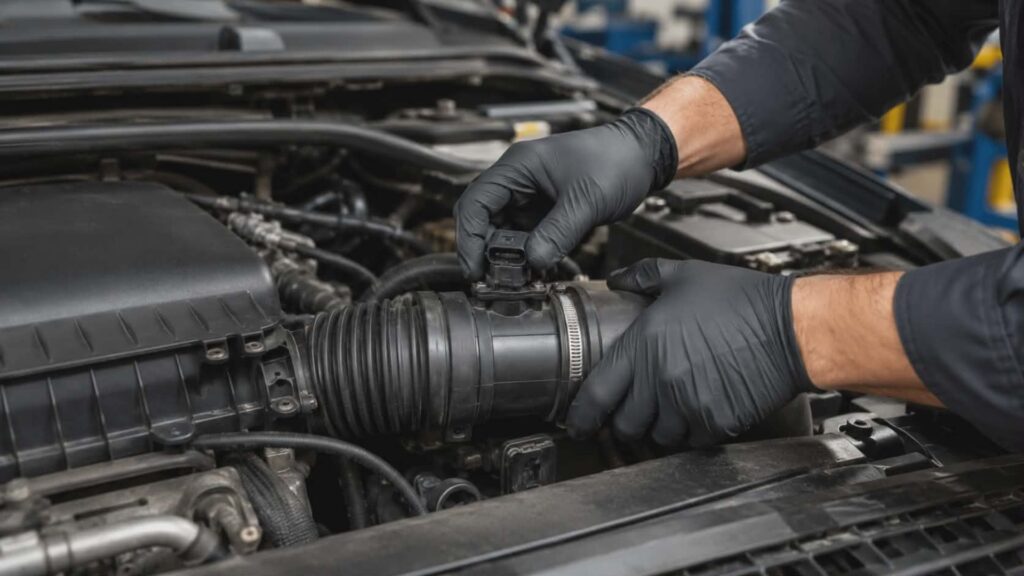
10 Bad Mass Air Flow Sensor Symptoms That Mean Trouble for Your Engine Your car is telling you something is wrong, but you are not sure what. The engine feels off, the gas mileage is dropping, and something just does not seem right. There is a good chance the problem traces back to a small but critical component: the mass air flow sensor. Understanding what this sensor does and recognizing the common symptoms of a bad MAF sensor can save you from expensive repairs down the road. What Does a Mass Air Flow Sensor Actually Do? The mass air flow sensor, often called the MAF sensor, measures the amount of air entering the engine. That data gets sent directly to the engine control unit, which uses it to calculate the correct amount of fuel needed for combustion. When the sensor works properly, your engine runs efficiently. When it fails, the ECU gets inaccurate airflow data, and the air-fuel ratio gets thrown off. That disruption can ripple through your entire engine system. What Causes MAF Sensor Problems? Before jumping into the symptoms, it helps to understand the causes of MAF sensor failure. The most common culprit is contamination. Dirt and debris can accumulate on the sensor’s delicate wire, throwing off its ability to measure airflow accurately. A clogged air filter is another frequent cause. When the air filter fails to block contaminants, they reach the sensor and interfere with actual airflow readings. Vacuum leaks, oil exposure from a poorly oiled aftermarket air intake filter, and age-related wear are also known causes of MAF sensor issues. 10 Common Symptoms of a Bad Mass Air Flow Sensor Check Engine Light Comes On The check engine light is often the first warning sign. When the MAF sensor malfunctions, the ECU detects a problem and stores diagnostic trouble codes that trigger the light. Do not ignore it. Rough Idling If your engine shakes or feels unstable when sitting at a stop, rough idling is a classic sign of a bad MAF sensor. Without accurate airflow data, the engine struggles to maintain a steady idle. Engine Stalling A faulty MAF sensor can cause the engine to stall unexpectedly, especially right after starting or when coming to a stop. Engine stalling in these situations is a red flag worth taking seriously. Hesitation During Acceleration You press the gas and the car hesitates or stumbles instead of responding smoothly. This hesitation happens because the ECU is not getting accurate readings about how much air is entering the engine, so fuel injection timing gets thrown off. Sluggish Performance The vehicle feels heavy or slow to respond. A malfunctioning MAF sensor tells the engine control module the wrong amount of airflow, which affects throttle response and overall drivability. Rich or Lean Fuel Mixture A faulty mass air flow sensor can push the fuel mixture in either direction. Too much fuel creates a rich condition. Too little fuel creates a lean condition. Both hurt engine performance and can damage components like spark plugs over time. Poor Fuel Economy If you’re refueling more often without driving farther, a failing MAF sensor could be to blame. When the air and fuel balance is off, fuel efficiency takes a serious hit. Fuel economy suffers because the engine is burning more gas than it should. Black Smoke from the Exhaust Excessive black smoke from your exhaust pipe points to a rich fuel condition where the engine is burning too much fuel. A faulty MAF sensor that sends incorrect data to the ECU often contributes to this problem. Hard Starting Your engine cranks but takes longer than usual to start. When the MAF sensor sends bad data during startup, the system struggles to deliver the right air-fuel mixture from the moment you turn the key. Increased Fuel Consumption Beyond just noticing more trips to the gas station, you might track your actual mileage and see a measurable drop. Elevated fuel consumption is one of the clearest signs of a bad MAF sensor affecting your vehicle’s efficiency. Should You Try to Fix It Yourself? Some drivers attempt to clean the sensor with specialized MAF sensor cleaner, and that sometimes resolves the issue if contamination is the only problem. However, if cleaning does not fix the symptoms, a replacement MAF sensor is usually the next step. The tricky part is making sure you replace it with the correct sensor. Using a non-OEM or incompatible sensor can create new problems. An experienced technician can confirm whether cleaning or replacing the sensor is the right call. When to Get a Professional Diagnosis If you are seeing multiple symptoms of a bad mass air flow sensor at once, it is time to bring your vehicle in for a proper inspection. MAF sensor problems can overlap with other issues like vacuum leaks, bad spark plugs, or failing fuel injectors, making a professional diagnosis the most accurate path forward. At Don and Joe’s Auto Service in Henry County, IN, the team uses state-of-the-art computer diagnostics to pinpoint what is actually causing your engine trouble. Whether it turns out to be the mass air flow sensor or something else entirely, you will get an honest answer and quality repair work backed by a 1-year warranty. Conclusion A faulty mass air flow sensor might seem like a small problem, but the symptoms it causes can disrupt your engine in a big way. From rough idling and stalling to poor fuel economy and sluggish acceleration, the warning signs are hard to miss once you know what to look for. If your vehicle is showing any of these symptoms, do not wait. Bring it to Don and Joe’s Auto Service in Henry County, IN, and let the ASE-certified technicians get to the root of the problem fast. Call 765-529-3555 to schedule your diagnostic appointment.
10 Bad Mass Air Flow Sensor Symptoms That Mean Trouble for Your Engine Read More »