
Blog

Your blog category

What Happens If You Skip an Oil Change? Real Costs & Engine Risks Revealed

What Happens If You Skip an Oil Change? Real Costs & Engine Risks Revealed

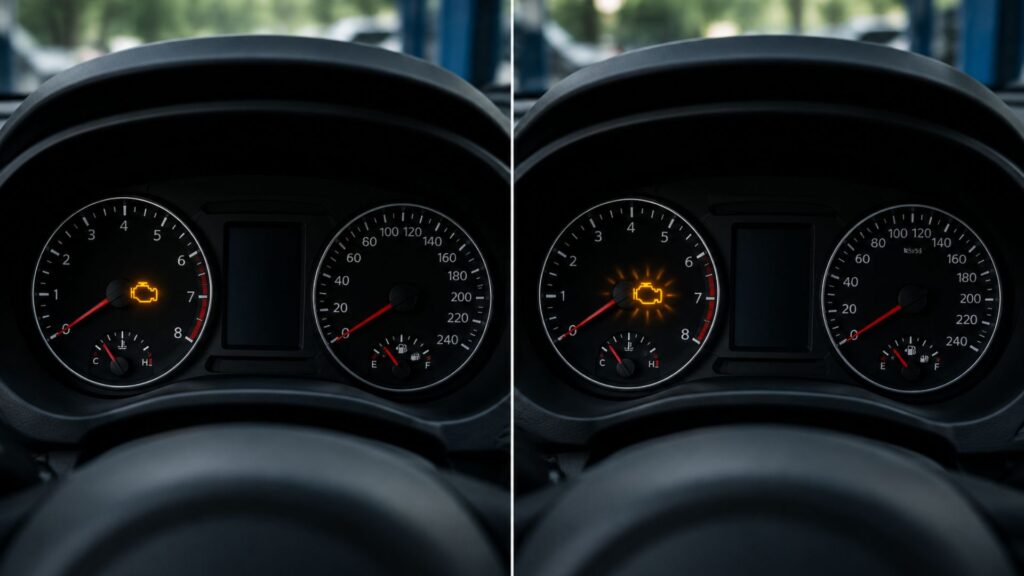
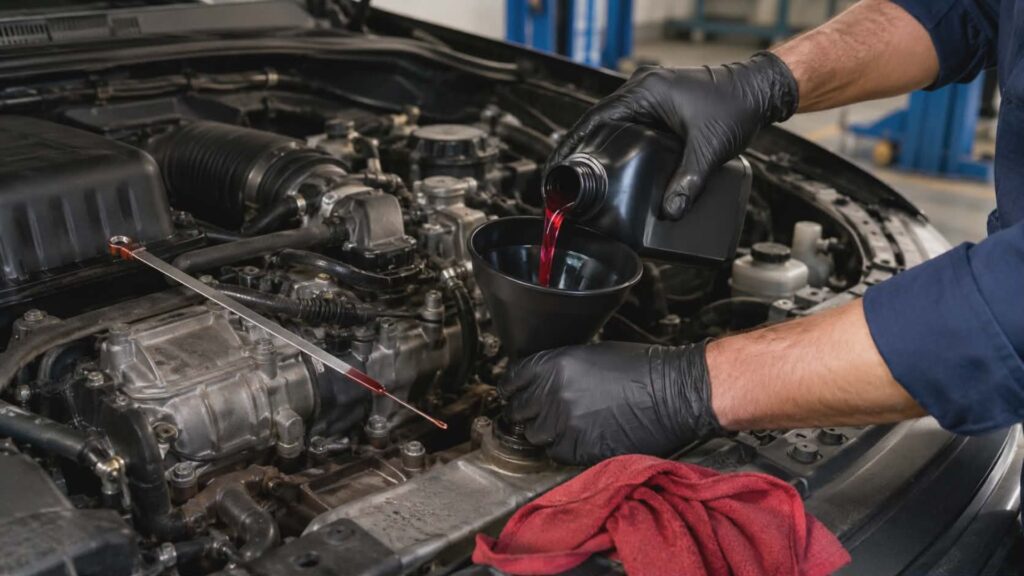
What Happens If You Skip an Oil Change? Real Costs & Engine Risks Revealed If you’re wondering what happens if you skip an oil change, you’re not alone. It’s one of those car maintenance tasks that seems easy to put off… until your engine starts making weird noises or your oil light starts blinking.  But even if your car still drives fine, neglecting your oil change routine can cause major problems, some of which may cost more than the car is worth to fix. Let’s break it all down in a way that actually makes sense, right here in Henry County, IN. Why Every Engine Needs a Regular Oil Change Think of oil as the lifeblood of your engine. It has one job: to keep your engine lubricated so all those moving parts dance instead of grinding. When the oil is fresh, it reduces friction, prevents overheating, and protects vital engine components. But oil doesn’t last forever. Over time, even the best synthetic oil breaks down due to heat, moisture, and carbon buildup. It loses its ability to lubricate and clean, putting your engine at risk. That’s why you need an oil change every few thousand miles, depending on your driving habits, engine type, and the type of oil you’re using. What Happens When You Don’t Change Your Oil? Skipping an oil change might not seem like a big deal at first. But that dirty oil starts a chain reaction of problems under the hood. Here’s what happens when you don’t change your oil: Dirty oil becomes thick and gritty, reducing oil flow. Oil begins to break down, leading to increased heat and metal-on-metal contact. Sludge forms, clogging your oil filter and internal passages. Engine parts wear down, increasing resistance within the engine. In time, complete engine failure can occur. Basically, go long enough without an oil change, and you’re gambling with your entire vehicle. Miss your next oil change, and your engine could be on a fast track to early retirement. The Real Costs of Skipping Oil Changes Some drivers figure they’ll save money skipping a few oil changes here and there. But here’s the truth: oil changes are one of the cheapest forms of maintenance, and skipping them actually increases the risk of expensive trouble. Here are just a few potential outcomes if you’re overdue for an oil change: Increased wear and tear on engine components Higher fuel consumption and reduced fuel efficiency Warped engine parts from excessive heat Sludge buildup that can damage the car’s internal systems Premature engine failure, requiring full replacement A standard oil change today can save you thousands in professional engine repair services tomorrow. Don’t wait until the oil light comes on and things are already spiraling out of control. How Old Oil Affects Engine Performance Old oil doesn’t just sit there; it actively harms your engine’s performance. Every time your car runs, that oil circulates through the engine, cleaning, cooling, and lubricating parts of the engine. But when oil gets old: The additives wear out, losing their detergent qualities Sludge forms, limiting flow to important engine components The oil can’t properly lubricate anymore, causing more internal friction The engine has to work harder to overcome resistance Eventually, dirty oil can no longer protect your engine. This can cause parts to break down, leading to significant engine damage. Signs You Might Be Overdue for an Oil Change Wondering if it’s time for an oil change? Watch for these common signs: Your oil light turns on or flickers Oil on the dipstick is dark and muddy instead of amber You hear knocking or ticking noises from the engine You notice smoke or exhaust gas that smells burnt Fuel efficiency in your automobile drops Trust your instincts. If it’s been a while since your last change and something feels off, the oil isn’t doing its job. Fresh Oil vs. Old Oil: Why Oil Life Matters The condition of your oil directly affects your engine’s reliability and lifespan. Here’s how good oil compares to old oil: Feature Fresh Oil Old Oil   Appearance Amber, clear Dark, gritty Lubrication ability Excellent Poor Cleansing properties Strong detergent qualities Worn out Protection Maximum protection Unable to fully protect your engine Heat resistance Stable under high temperatures Breaks down under heat Fuel economy Optimal fuel efficiency Reduces miles per gallon Changing your oil regularly ensures your vehicle performs at its best. How Often Should You Change the Oil? Your oil change schedule should reflect your specific driving habits and vehicle type. In general, it’s smart to: Check your owner’s manual for the manufacturer-recommended oil change intervals. Use synthetic oil if you want longer intervals and better engine protection. Change your oil more frequently if you tow, sit in traffic often, or drive in extreme temperatures. A good rule of thumb? Don’t let your engine go long enough without an oil change that it becomes long overdue. What Type of Oil Should You Be Using? Choosing the right type of oil, whether it’s regular oil, motor oil, or synthetic oil, depends on your engine and lifestyle. Synthetic oil: Handles heat better, lasts longer, and offers superior protection. Conventional (regular) oil: Less expensive but breaks down faster. High-mileage oils: Designed for older vehicles with 75,000+ miles. Using the wrong oil or letting it go too long can cause unnecessary damage to your car. Not sure which oil to use? A professional oil change service in Henry County, IN, can help guide you. The Connection Between Oil and Other Parts of Your Car Oil isn’t just about the engine. It impacts other systems too, including: Car suspension and wheel alignment – Poor engine performance can affect how your suspension handles Tires – Reduced power efficiency can wear your tires faster Air filter – A struggling engine may pull in more dirt, impacting your air filter Fuel economy – Fresh oil can maintain better compression and power, saving gas Exhaust – Thick oil and buildup can increase smoke from your tailpipe Skipping routine

What Happens If You Skip an Oil Change? Real Costs & Engine Risks Revealed Read More »

Why Is My Temperature Gauge Fluctuating? Real Fixes That Work Fast

Why Is My Temperature Gauge Fluctuating? Real Fixes That Work Fast

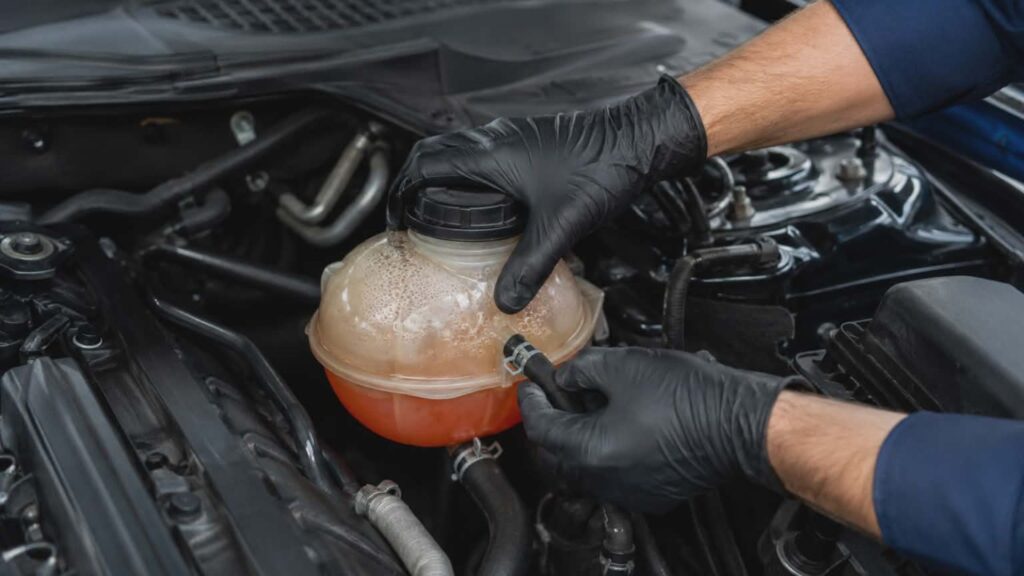
Why Is My Temperature Gauge Fluctuating? Real Fixes That Work Fast If you’re driving and notice your temperature gauge fluctuating, it can be more than just a curiosity; it might signal something’s not right under the hood.  Whether your temp gauge gets jumpy or the gauge needle rises and dips without warning, it’s worth taking seriously. Let’s break it down so you can better understand what’s happening and how to stop it before your engine takes a hit. What It Means When the Temperature Gauge Fluctuates A temperature gauge is designed to help you monitor your engine’s temperature correctly. When the gauge fluctuates from normal, it often means your engine’s cooling system isn’t working as it should.  You might see the car’s temperature gauge bounce between cool and hot, especially when idling or climbing hills. This kind of fluctuation isn’t just annoying; it can lead to engine overheating and, if ignored, long-term engine damage. Common Reasons Why Your Gauge Goes Up and Down When your car temperature gauge fluctuates, here are some frequent causes we see: A Malfunctioning Thermostat If your thermostat has gone bad or is stuck, it won’t regulate coolant flow properly. A stuck thermostat can cause coolant to pool around the thermostat instead of circulating. This results in fluctuating temperature readings, especially when the thermostat is not reading temperature correctly and releasing the coolant at the wrong times. Low Coolant Levels or a Coolant Leak Coolant is crucial for maintaining normal operating temperature. Low coolant levels or leaking engine coolant can cause the temperature gauge to spike unexpectedly. Sometimes, you might spot coolant on the garage floor or see steam from under the hood. A coolant leak could be coming from a damaged hose, radiator cap, or corroded thermostat housing. Corroded Thermostat Housing or Old Radiator Corrosion on the metal housing around the thermostat or the radiator could lead to a leaking coolant issue. Over time, coolant eats away at these parts.  A corroded thermostat housing can allow coolant into the engine or cause irregular flow, which makes the gauge fluctuate. If your radiator or thermostat housing is old or showing signs of wear, it might be time to consider a replacement. Failing Water Pump or Head Gasket The water pump keeps coolant circulating through the cooling system. If it’s struggling, your engine coolant can stagnate, affecting engine temperature.  Similarly, bad head gaskets can allow coolant to leak into the cylinder or engine block, which could cause fluctuating temperature or white smoke from the exhaust. How to Troubleshoot a Fluctuating Temperature Gauge If your gauge fluctuates or the gauge goes crazy randomly, here’s what you can do: Check the coolant level in the coolant reservoir. Make sure it’s within the recommended range. Inspect for leaks under the vehicle or around the engine. Look for corrosion around the thermostat housing or radiator. Watch for white smoke from the exhaust, a possible sign of a bad head gasket. Note when the gauge fluctuates (like at idle or highway speeds). If you’re seeing these signs, it might be time for expert help. When to Get Help from a Pro Your vehicle’s temperature gauge on the dashboard is a warning system, not just a guide. If the gauge fluctuates a lot or your engine begins to overheat constantly, letting it go can lead to costly repairs, including a cracked engine block or warped cylinder heads. Our team at Don & Joe’s knows these issues inside and out. Whether you drive a Chevy, GMC, Duramax, Mercedes, or Subaru, we have experience spotting and fixing cooling system problems fast. If your thermostat is not releasing the coolant temperature correctly and releasing the coolant into the engine, it’s a clear sign that the thermostat is the likely culprit. Need help? Our car heating and cooling system repair service in Henry County, IN, can get your system back to normal operation quickly. Final Thoughts If your car’s temp gauge gets jumpy, don’t ignore it. A fluctuating temperature gauge can mean anything from low coolant to a bad thermostat, or even engine overheating caused by a failing head gasket. Catching it early can protect your vehicle’s engine and save you from major auto repair costs. Still stumped? Reach out to a trusted local expert at Don & Joe’s. We’re here to help keep your engine running smoothly and your temp gauge right where it should be.

Why Is My Temperature Gauge Fluctuating? Real Fixes That Work Fast Read More »

What Causes a Car to Overheat? Fix the Real Problem Before It’s Too Late

What Causes a Car to Overheat? Fix the Real Problem Before It’s Too Late

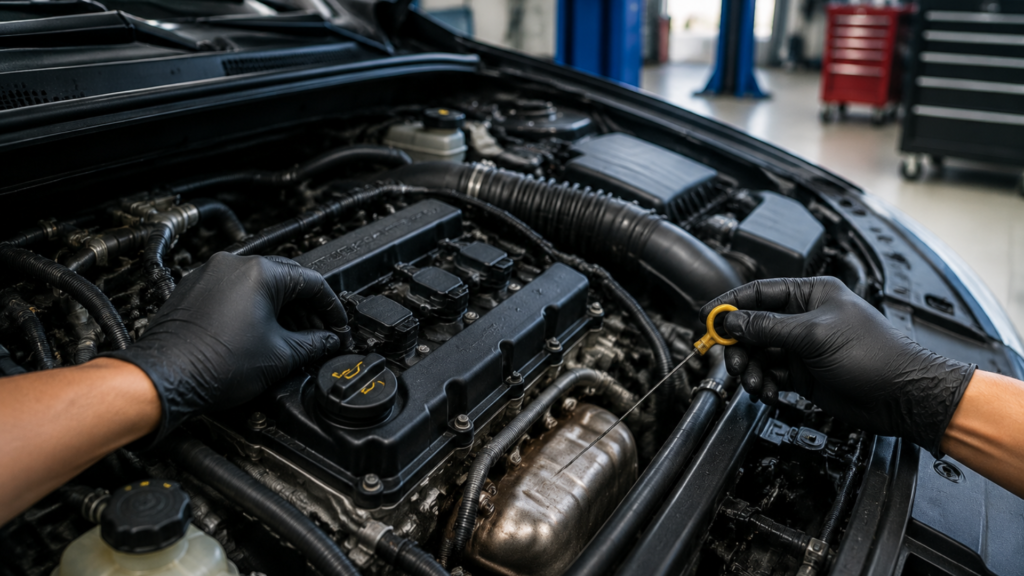
What Causes a Car to Overheat? Fix the Real Problem Before It’s Too Late If you’ve ever been driving around Henry County, IN, and suddenly noticed smoke or steam spewing from the front of the engine, your temperature gauge hovering in the red, or felt hot air blowing from the vents, you’re not alone. These are all signs your car might be overheating, and ignoring the warning signs could lead to serious engine damage. Understanding what causes a car to overheat can help you catch issues early, avoid breakdowns, and keep your car’s engine running smoothly. Why Does a Car Overheat? There’s no single answer. A car can overheat due to a number of small malfunctions or one critical problem within the cooling system. Internal combustion engine cooling relies on a precise balance of airflow, coolant circulation, and temperature regulation to keep the engine from getting too hot. When any part of this process fails, it can cause overheating. Let’s look at the most common causes. Low Coolant Levels: Leading Reason Your Car Begins to Overheat Coolant (also called antifreeze) is crucial for absorbing the heat from the engine and releasing it through the radiator. If your coolant level drops too low, heat from the engine can’t be carried away. That’s when overheating can occur. Why the coolant might be low: A coolant leak in the hose, radiator, or water pump Evaporation through worn-out reservoir caps A problem with your coolant reservoir tank When you check your engine coolant level, be sure to do it only when the engine has cooled. Opening the reservoir when it’s hot can be dangerous due to escaping steam. Radiator Problems That Cause Overheating Your radiator is the heart of the cooling system. It releases the heat absorbed by the coolant. If the radiator gets blocked, corroded, or suffers a leak, the coolant can’t do its job efficiently. Issues in the radiator that cause engine overheating include: Broken radiator fan (reduces airflow that cools the radiator) Clogged fins obstructing airflow Damaged radiator cap causing pressure imbalances The radiator fan pulls cool air through the radiator. If it doesn’t work properly, especially when you’re idling or using the air conditioning, your engine can quickly overheat. Learn more about professional car heating and cooling repair in Henry County, IN Faulty Thermostat: Blocking Coolant Flow Your car’s thermostat is a valve that regulates the flow of coolant based on engine temperature. When working correctly, it opens to allow coolant through the engine. But if it gets stuck closed, it blocks the coolant flow completely. This restriction creates a backup of heat in the engine, causing an overheated engine and potentially damaging the thermostat housing or nearby cylinders. If left unchecked, this blockage can cause the head gasket to fail, a much more costly repair. Water Pump Failures: Interrupting Coolant Circulation The water pump sends engine coolant throughout the cooling system, pushing it through the radiator and engine block. If the water pump’s impeller wears out or the pump starts leaking, coolant can’t circulate. Without circulation, the engine will overheat quickly. Make sure you keep an eye on the area under your vehicle for water or coolant leaks, especially near the front of the engine. Coolant Leak: A Silent Trouble Maker Leaks in the cooling system often go unnoticed until it’s too late. Any loss of coolant fluid means the internal combustion engine cooling system can’t properly absorb heat from the engine. Common spots for a coolant leak: Radiator hoses Heater core Water pump Radiator tank Because the leak may be small, you might not notice it unless you’re actively checking fluid levels. If your engine temperature climbs suddenly, a hidden leak could be the reason. Airflow Obstructions or Fan Issues Your car relies on steady airflow to keep the engine cool, especially when driving slowly or stopped. When that airflow is disrupted, your cooling system struggles to keep temperatures down. Possible obstructions or failures: Debris clogging the front grille or radiator Broken radiator fan motor Fan relay or fuse issues If your air conditioning stops working efficiently with engine heat rising, airflow blockages may be the problem. Broken Thermostat or Wrong Coolant Sometimes people use the wrong coolant mixture or even substitute water. This seems harmless, but different coolants are engineered for specific vehicle systems. The wrong coolant can cause deposits, reduce heat transfer, and even corrode the radiator or water pump. Always use the coolant type recommended in your car’s manual. If your thermostat is misreading engine temperature, it may fail to open at the correct moment, further contributing to the issue. Engine Oil: The Hidden Player in Engine Cooling Engine oil also helps regulate temperature. It reduces friction, keeping the engine operating smoothly. Low engine oil levels or old, degraded oil can’t absorb and transfer heat effectively. This extra heat from the engine adds stress on the cooling system, possibly causing engine overheating. Other Common Causes of Overheating Here are a few other possible reasons a car would overheat: Malfunctioning heater core – Can create a blockage in the coolant hose Broken serpentine belt – This belt may power the water pump on some vehicles Cracked head gasket – Allows coolant and oil to mix, disrupting both systems External heat conditions and heavy loads – Make it harder for the engine to cool Remember, your vehicle’s system was designed to work under pressure and precise temperature ranges. Any imbalance can lead to overheating. What to Do When Your Car Is Overheating If your car begins to overheat while driving, here are your immediate steps: Turn off air conditioning to reduce strain on the engine. Instead, run your heat at full blast – this draws hot air away from the engine. Pull over safely and open the hood to allow hot air away from the engine. Wait for the engine to cool before inspecting coolant levels. Never open the radiator cap when hot – hot steam causes burns. If you’re dealing with frequent overheat issues or

What Causes a Car to Overheat? Fix the Real Problem Before It’s Too Late Read More »

Dirty Cabin Air Filter Symptoms You Shouldn’t Ignore (and How to Fix Them)

Dirty Cabin Air Filter Symptoms You Shouldn’t Ignore (and How to Fix Them)

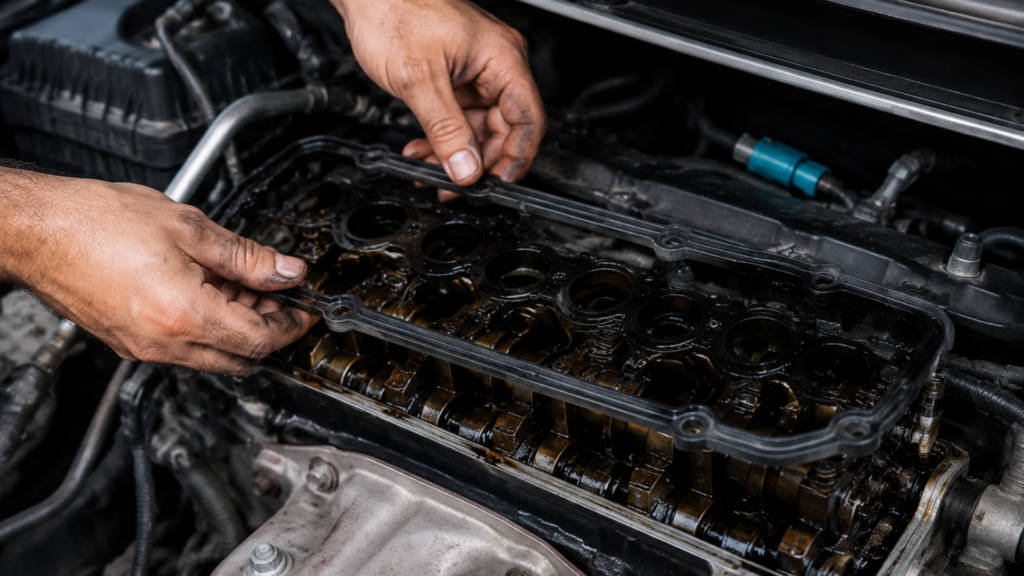
Dirty Cabin Air Filter Symptoms You Shouldn’t Ignore (and How to Fix Them) If you’ve noticed strange smells coming through your vents, your defroster isn’t working like it used to, or your car’s cabin just seems dusty no matter how often you clean – you might be dealing with a dirty cabin air filter. It’s easy to overlook, but this simple filter plays a big role in your driving comfort and your vehicle’s ventilation efficiency. Let’s walk through the most common dirty cabin air filter symptoms, how a bad cabin air filter can affect your car, and when it’s time to replace it. What Is a Cabin Air Filter (And Why It Matters) Your vehicle’s cabin air filter is responsible for cleaning the air that comes into the car’s cabin through the heating, ventilation, and air conditioning (HVAC) system. It traps dust, pollen, allergens, and even exhaust gases, keeping the air you breathe cleaner and healthier. Over time, the filter becomes clogged with dirt, debris, and contaminants. When that happens, it can affect not just air quality inside your car but also the performance of your vehicle’s HVAC system. Understanding the Symptoms of a Dirty Cabin Air Filter If your cabin air filter is dirty, your car will let you know. The trick is recognizing the symptoms before bigger problems develop. Some signs are subtle, while others are hard to ignore. Reduced Airflow from the Vents Ever turned on your air conditioner or car heater and gotten just a weak stream of air? A common sign of a clogged cabin air filter is reduced airflow from the vents. If the airflow feels uneven, limited, or weaker than normal, the cabin filter is likely the culprit. Because the filter becomes clogged, your blower motor has to work harder to push air through. Over time, that added stress can damage HVAC components. Persistent Musty or Moldy Odors A buildup of moisture, dust, and even mold inside a dirty filter can lead to a musty smell coming from the vents. This isn’t just unpleasant; it could affect your health, especially if you or passengers suffer from asthma or allergies. Filters with activated carbon offer better odor absorption, but even they need replacing if the smell persists. Poor Visibility from Foggy Windows Your HVAC system doesn’t just regulate temperature; it also helps clear the windshield and windows. A bad cabin air filter can reduce the system’s ability to clear the fog during colder or wetter months. This symptom leads to poor visibility, creating driving risks that go beyond comfort. Noise and Unusual Sounds from the Vents Debris can get caught in a clogged filter, disrupting smooth airflow and causing strange fan noise when you turn on the heat or AC. This noise is usually a whistling or rumbling sound. It’s not always loud, but it’s worth paying attention to, especially if you’ve been skipping routine maintenance. More Dust Inside Your Car If your car feels like it’s constantly coated in dust, even after cleaning, your cabin filter is clogged. A simple filter change can improve air quality and reduce interior dust. This is especially true in Henry County, IN, during allergy season when pollen and pollution levels rise. What a Bad Cabin Air Filter Can Lead To Ignoring a dirty filter might not seem like a big deal, but it can cause several issues over time: Strain on the blower motor, leading to premature failure Lower efficiency of the HVAC system, leading to discomfort during extreme temperature changes Increased exposure to pollutants, allergens, and air pollution inside the car Difficulty defogging or defogging windows properly Reduced efficiency, which may even increase your fuel consumption if the blower motor is overworked That’s why it’s important to know when your cabin air filter needs replacement. When to Change Your Cabin Air Filter So, how do you know when it’s time for a cabin air filter replacement? Every owner’s manual recommends a replacement interval – usually between every 12,000 to 15,000 miles. However, driving in dusty or urban environments, or frequently running your heater or air conditioning, means you might need to replace the cabin air filter more often. Signs Your Car Needs a New Filter Symptoms like: Reduced airflow or weak air from vents Strong or strange odor inside the cabin Unusual fan noise Dust on paneling and dash shortly after cleaning Fog that won’t clear quickly All point to one thing: Time for a new filter. How to Change the Cabin Air Filter Many vehicles let you change the cabin air filter yourself. Look behind the glove box or under the dashboard, depending on your model. Refer to your owner’s manual for exact instructions. If DIY isn’t your thing, professionals here at Don & Joe’s in Henry County, IN, can handle it as part of your routine vehicle maintenance. No pressure – just expert advice, and a filter change if you need one. Filter Replacement Tips Not all air filters are created equal. Some have added layers to trap soot, pollen, or dust, and some even neutralize odors. If you’ve changed the cabin air filter recently but symptoms continue, make sure you’re using the right part. Losing OEM (original equipment manufacturer) quality can make a difference. Also, be sure you’re changing filters that match your terrain and weather. In places like Henry County, IN, frequent changes during allergy or pollen season can make breathing easier inside your car. Conclusion: Don’t Ignore the Dirty Cabin Air Filter Symptoms Your cabin air filter doesn’t need to be a mystery. If you’re noticing symptoms like weak airflow, odor, or foggy windows, it’s a good sign you need to replace your filter. At Don & Joe’s in Henry County, IN, we understand how the heating and cooling system affects your ride and comfort. Whether you’re handling it yourself or want our technicians to take care of it, the important thing is to act before a clog causes bigger issues. Keeping your environment fresh and your air vents clean

Dirty Cabin Air Filter Symptoms You Shouldn’t Ignore (and How to Fix Them) Read More »

Spot Bad Car Thermostat Symptoms Early and Avoid Costly Repairs

Spot Bad Car Thermostat Symptoms Early and Avoid Costly Repairs

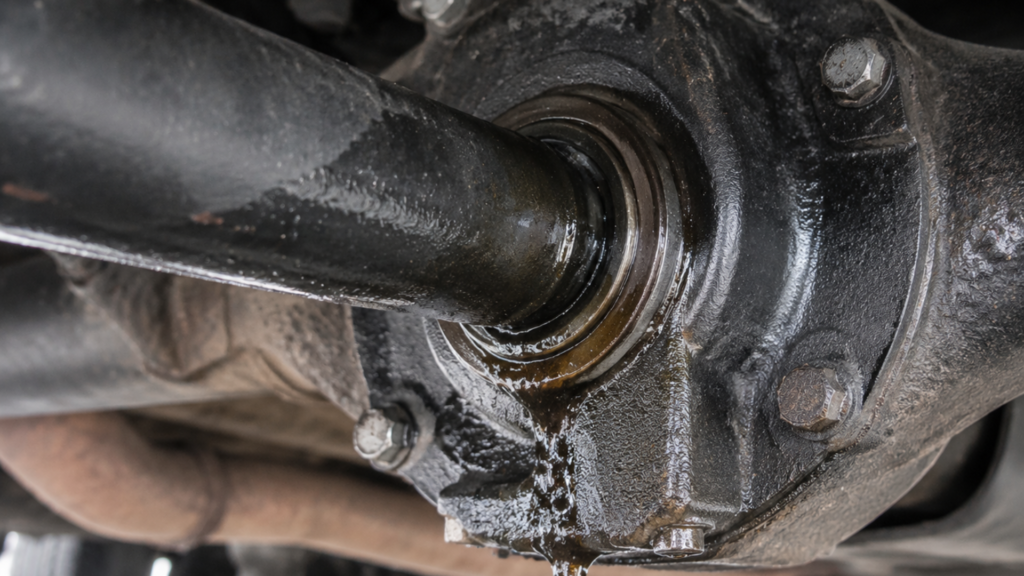
Spot Bad Car Thermostat Symptoms Early and Avoid Costly Repairs If you’ve ever found yourself staring at your dashboard, wondering why the temperature gauge is all over the place or why your heater suddenly stopped putting out warm air, you might be dealing with a bad car thermostat. This little device plays a big role in keeping your engine running at its optimal operating temperature, and when it goes bad, the problems can pile up quickly. Below, we’ll break down the symptoms of a bad thermostat, how it affects your vehicle’s cooling system, and what you can do if things go wrong. If you’re in Henry County, IN, and need help, Don & Joe’s is here to help you understand and fix the issue without the guesswork. What Does a Car Thermostat Do? Your car’s thermostat is a small but vital valve that helps regulate the flow of coolant in your engine. It works within the internal combustion engine cooling system, maintaining the engine temperature so it operates efficiently. When the engine is cold, the thermostat stays closed, allowing the engine to warm up quickly. As the engine heats up and reaches optimal operating temperature, the thermostat opens, allowing coolant to flow through the radiator and preventing overheating. A malfunctioning thermostat can cause coolant flow issues, leading to serious engine problems, including engine overheating and damage to the head gasket or engine block. Symptoms of a Bad Thermostat You Shouldn’t Ignore Let’s look at the common signs that something might be wrong with your vehicle’s thermostat. Temperature Gauge Fluctuates or Reads High Pay attention to the temperature readings on your dashboard. If the gauge shows erratic or unusually high temperatures, this could be a sign that your thermostat is stuck in a closed position, preventing coolant from circulating. The gauge shows low, then spikes quickly? The thermostat may be stuck closed. The gauge never reaches operating temperature? The thermostat is stuck open. Poor Cabin Heat from the Heater If the heater in your vehicle isn’t producing enough warm air even after the car is warmed up, that could point to a failing thermostat. A stuck-open thermostat can prevent the engine from reaching the optimal temperature needed for effective heating. Low Coolant or Coolant Leak Around the Thermostat A small thermostat housing leak or a bigger coolant leak underneath the vehicle can occur when the thermostat causes the engine to overheat. Look for: Puddles under the car Signs of leaks around the thermostat or radiator Low coolant level in the reservoir Leaks are not only messy but also dangerous for your engine. Engine Overheating This is one of the most alarming symptoms. A stuck closed thermostat prevents coolant from reaching the radiator, causing the engine temperature to rise quickly. Smell something hot or sweet? You might be burning coolant. Steam from under the hood? Pull over immediately. Engine overheating due to a faulty thermostat can lead to cracked heads or a blown head gasket, quickly adding up to costly repairs. Erratic Temperature Readings Sometimes, the problem isn’t extreme overheating, but rather rapid fluctuations. Temperature readings that go up and down on the dashboard gauge can be due to a thermostat that’s partially opening and closing. Erratic temperature readings on your dashboard can also cause issues with your vehicle’s air conditioning and heating, as consistent engine temperature is critical for both. What Causes a Thermostat to Go Bad? Thermostats aren’t immune to wear and tear. Corrosion, contamination from old coolant, and a sticking valve can all cause failure. A bad thermostat can: Get stuck in a closed position, blocking coolant A stay-open thermostat will keep the engine too cool Have a thermostat valve that sticks due to grime If your thermostat fails due to corrosion or improper coolant changes, it may need to be replaced sooner than expected. How a Failing Thermostat Affects Performance You may be thinking, “What’s the big deal?” A failing thermostat can cause: Poor fuel efficiency – Your engine burns more fuel when it doesn’t get up to optimal temperature Increased engine wear – Running hotter than usual damages internal engine parts Heating and air conditioning issues – The HVAC system depends on accurate engine temperature Cooling system strain – Overuse of fans, the water pump, and other components Any of these issues can lead to a domino effect of repairs. Catching problems early reduces the risk of costly engine or radiator damage. How to Confirm if the Thermostat is Bad If you’re experiencing one or more of the signs outlined above, you might suspect a bad or faulty thermostat. One basic diagnostic trick? Use a pot of boiling water. When removed, a functioning thermostat placed in boiling water should open. If it doesn’t, or opens at the wrong temperature, it’s time for a thermostat replacement. Not sure? Let an expert check: Coolant level and quality Flow of coolant through the radiator Thermostat valve function Signs of leaks around the thermostat housing These checks can reveal whether the thermostat is bad or if there’s another issue in the cooling system that needs attention. How to Prevent Thermostat Issues Your car’s heating and cooling system is one of the most critical components of vehicle longevity. Regular maintenance helps. Here’s what you can do: Check coolant level and condition every season Flush and replace coolant based on manufacturer guidelines Watch for signs of a bad thermostat, especially during temperature swings Get your temperature gauge looked at if it starts to fluctuate Inspect the radiator and heater components for signs of leaks or rust For full system service, including thermostat, radiator, and heater checks, Don & Joe’s offers reliable car heating and cooling system repair in Henry County, IN. When to Replace the Thermostat If the thermostat fails or gets stuck in an open or closed position, it needs to be replaced. Replacing a thermostat is a straightforward process for a trusted mechanic. Waiting too long can put your engine, radiator, and even your fuel economy in danger. Remember: A

Spot Bad Car Thermostat Symptoms Early and Avoid Costly Repairs Read More »

Why Isn't My AC Working in My Car? 7 Fixes Drivers Can Try Today

Why Isn’t My AC Working in My Car? 7 Fixes Drivers Can Try Today

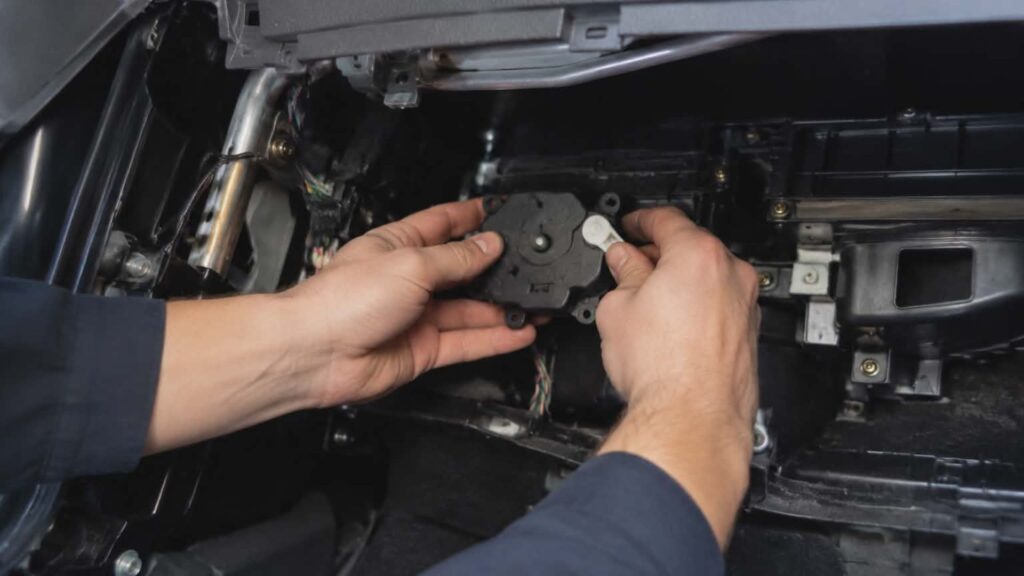
Why Isn’t My AC Working in My Car? 7 Fixes Drivers Can Try Today If you’ve been turning on your car’s AC expecting cool air and instead getting a blast of unexpected warm air, you’re not alone. Many Henry County, IN drivers ask the same thing: Why isn’t my AC working in my car? Your vehicle’s air conditioning system is made up of several components, all working together. When one fails, it can throw off the entire cooling process. Below, we walk through common reasons your car’s AC isn’t blowing cold air and what you can do to fix the issue. Common Car AC Problems You Might Face When your car’s AC is not blowing as it should, there are usually a few likely culprits. Let’s identify some of the most common AC problems you might run into. Low Refrigerant Level Refrigerant is the chemical that cools the air before it blows into your car’s cabin. If there’s a low refrigerant level, your AC won’t blow cold air. This could be due to a refrigerant leak, often caused by road debris, corrosion, or worn seals. Signs of low refrigerant: AC blows warm or cool but not cold Hissing noises under the hood Oil or refrigerant spots near the AC hoses If refrigerant levels are low enough, the AC compressor won’t engage at all for safety reasons. Faulty Compressor or Clutch The compressor is the heart of your vehicle’s air conditioning system, pumping refrigerant through the system’s components. If your ac compressor or clutch fails, refrigerant won’t circulate, and your AC may stop blowing cold air. Things to watch for: Loud clicking or grinding noises AC clutch not engaging Blowing hot air from the vent Without a functioning compressor, the cooling process breaks down fast. Dirty or Blocked Condenser The condenser, located in front of the radiator, helps dissipate heat from the compressed refrigerant. If it’s blocked by debris, dirt, or damaged by a rock or corrosion, it can’t cool down the refrigerant. Symptoms of a failing ac condenser or clogged unit: AC blows cool air for a moment, then reverts to warm air Overheating at idle Noticeable damage to the front grille or condenser fins AC System Leak A leak anywhere in your ac system can prevent it from building enough pressure to function properly. These leaks often occur at the evaporator, fittings, hoses, or condenser. Common signs of an AC leak include: Low refrigerant levels even after a recent recharge Oil residue around refrigerant lines Sudden loss of cold air Electrical Issues or Blown Fuse The electrical system plays a crucial role in your vehicle’s air conditioning system. If a fuse blows, wiring becomes damaged, or a relay fails, the AC won’t work as expected. Symptoms of electrical issues: AC won’t turn on at all Fan works, but the air isn’t cold Intermittent cooling If the blower motor runs but the AC isn’t cooling, you might have an electrical fault or sensor problem. Faulty Evaporator or Blend Door Actuator The evaporator pulls heat from the air, dropping its temperature before blowing it into the cabin. Over time, it can clog with contamination, dust, or even fungus due to moisture buildup. Another related part is the blend door actuator, which controls airflow between the heater core and evaporator. If this component fails, hot and cold air mix, resulting in blowing cool or warm air. Indications of problems: AC fluctuates between hot air and cold air Clicking noises in the dashboard AC works perfectly on one setting but stops on another Cooling Fan Failure The cooling fan helps transfer heat away from the ac condenser. If the centrifugal fan motor fails or blades get damaged, the AC may produce cool air while moving, but warm up at idle. Look for: AC blowing cool but not cold at stop lights Overheating in traffic Fan not spinning while the engine is hot What to Check Before Scheduling AC Repair Before heading to a shop, take a few practical steps to inspect your car’s ac: Turn on the AC and set the fan speed to maximum. Listen for the compressor clutch to engage. Check if the fan works while parked. Look for puddles or stains under the vehicle that could signal a refrigerant or water leak. Replace a dirty cabin air filter, which can restrict airflow and make it feel like your AC isn’t working correctly. If your car ac is cool but not cold, or if you notice sudden changes in temperature, the system may have just started to stop blowing cold air or could be on the verge of more serious ac issues. When to Recharge Your AC A simple recharge might be all your system needs, especially if refrigerant is low, but you haven’t spotted a leak. However, overcharging can damage the compressor and result in costly repairs. Let an experienced technician test your refrigerant levels and recharge properly. Keep in mind that if you’re recharging frequently, there’s likely a leak that needs inspection. Don’t Let the Heat Win: Your AC May Just Need TLC Your vehicle’s AC does more than just keep you cool; it helps defog windows, circulate air, and maintain a comfortable climate year-round. Whether it’s a faulty compressor, clogged evaporator, or low refrigerant, it’s worth getting your system checked sooner rather than later. Need help from someone you can trust in Henry County, IN? At Don & Joe’s Auto Service, we’ve helped countless drivers fix their car air conditioning and stay cool on the road. Our experts are trained to pinpoint the culprit, whether it’s a clog, electrical issue, or refrigerant leak, and get your car’s AC working properly again. If you’re not sure what’s wrong, you don’t have to guess. Come see us for friendly and fast ac repair, or check out our page on car heating and cooling system repair for more details. Conclusion: Fix Your Car’s AC and Feel the Cold Again Don’t let a broken air conditioner ruin your summer drives. AC

Why Isn’t My AC Working in My Car? 7 Fixes Drivers Can Try Today Read More »

Schedule

Schedule Your Appointment Today

Your Automotive Repair & Maintenance Service Specialist

What Our Customers Say

Privacy Policy
Manage Consent Preferences
Do Not Share My Information | Conditions of Use | Notice and Take Down Policy | Website Accessibility Policy
© 2026 The content on this website is owned by us and our licensors. Do not copy any content (including images) without our consent.