
Blog

Your blog category

How Long Can You Drive With a Leaking Axle Seal Before It Causes Major Damage?

How Long Can You Drive With a Leaking Axle Seal Before It Causes Major Damage?

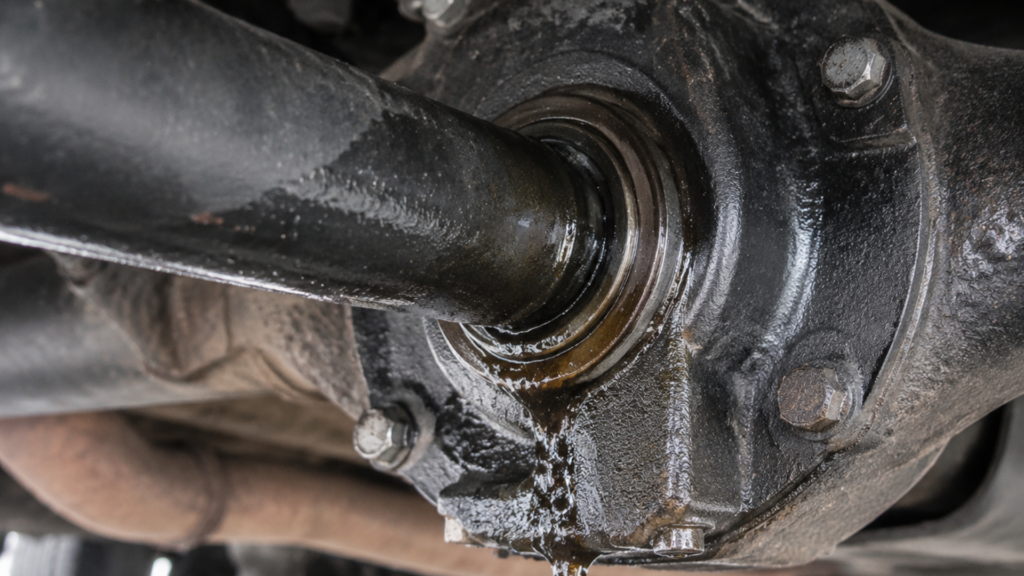
How Long Can You Drive With a Leaking Axle Seal Before It Causes Major Damage? If you have noticed a puddle of oil under your car or truck, a leaking axle seal might be the culprit. It is tempting to put off the repair and keep driving, especially when the vehicle still feels fine. But how long can you actually drive with a leaking axle seal before things get serious? The honest answer is: not very long at all. What Does an Axle Seal Actually Do? An axle seal keeps gear oil or differential fluid contained inside the axle housing or transmission. Without it doing its job, fluid escapes, and critical components lose the lubrication they depend on. On a four-wheel drive vehicle like a Jeep or Toyota 4Runner, this becomes even more important because the drivetrain has more seals, more fluid pathways, and more components at risk. Think of the seal as the barrier between a healthy drivetrain and an expensive repair bill. What Happens When You Ignore a Leaking Axle Seal This is where drivers in New Castle, IN, get into trouble. A slow leak can quickly progress into a serious mechanical failure. Here is how the damage typically unfolds: Stage 1 – Early Leak: A small amount of fluid escapes. The bearing still has some lubrication, and the vehicle may feel normal. You might notice a faint oil smell or a small spot under the car. Stage 2 – Fluid Loss Increases: As the seal deteriorates, more oil leaks out. The axle bearing begins running dry. You may start to hear a grinding or humming noise, or feel a subtle vibration through the wheel. Stage 3 – Bearing Failure: Without lubrication, the bearing overheats and breaks down. At this point, the damage has spread beyond just the seal. You are now looking at bearing replacement, possible axle shaft damage, and, in severe cases, differential damage. Stage 4 – Complete Failure: In the worst cases, a seized or broken axle can cause loss of vehicle control. This is not just a maintenance issue – it becomes a safety issue. How Long Is Too Long? Most experienced technicians, including those referenced by sources like YourMechanic and members of communities like the Four Wheel Drive Association of BC, agree that driving more than a few days with a known axle seal leak is pushing your luck. The exact timeline depends on how fast the fluid is escaping and how much is left in the system. If the leak is minor and you top off the fluid, you might extend that window slightly. But this is a temporary workaround, not a solution. Continuing to drive without fixing the seal risks damage to the axle, the differential, and even the brake components if oil migrates onto the brake pads or rotors. Yes, a leaking axle seal can contaminate your brakes. Gear oil on brake pads destroys stopping power, which turns a $150 seal repair into a much larger job involving both the driveline and brake system. Signs You Should Stop Driving Immediately Pull over and call for help if you notice any of the following: A loud grinding or clunking noise coming from the axle area Strong vibration through the steering wheel or floor The vehicle is pulling to one side under braking A visible pool of oil near a tire or wheel A burning smell near the wheel well These signs suggest the bearing or axle may already be failing. At this stage, continuing to drive risks your safety and the safety of others on the road. What the Repair Actually Involves Fixing a leaking axle seal is a straightforward job for a trained technician. The old seal is removed, the axle and housing are inspected for wear, a new seal is pressed in, and fluid is topped off. If the bearing has been damaged, it will need replacement at the same time. The right tool selection and proper torque specs matter here – a poorly installed seal will just leak again. At Don and Joe’s Auto Service, the team handles driveline repair with the same precision they bring to every other job. If you suspect a leak, getting a proper diagnosis early keeps the repair simple and affordable. Don’t Ignore a Leaking Axle Seal A leaking axle seal is not something to monitor and hope for the best. Fluid loss leads to bearing failure, bearing failure leads to axle damage, and axle damage can compromise your brakes and your safety. The longer you wait, the more expensive the fix becomes. If you are dealing with a suspected leak on your car or truck, reach out to the team at Don and Joe’s Auto Service and schedule a driveline repair inspection before a small seal turns into a major repair.

How Long Can You Drive With a Leaking Axle Seal Before It Causes Major Damage? Read More »
Tire Balancing Vs Alignment: Which One Does Your Car Really Need?

Tire Balancing Vs Alignment: Which One Does Your Car Really Need?

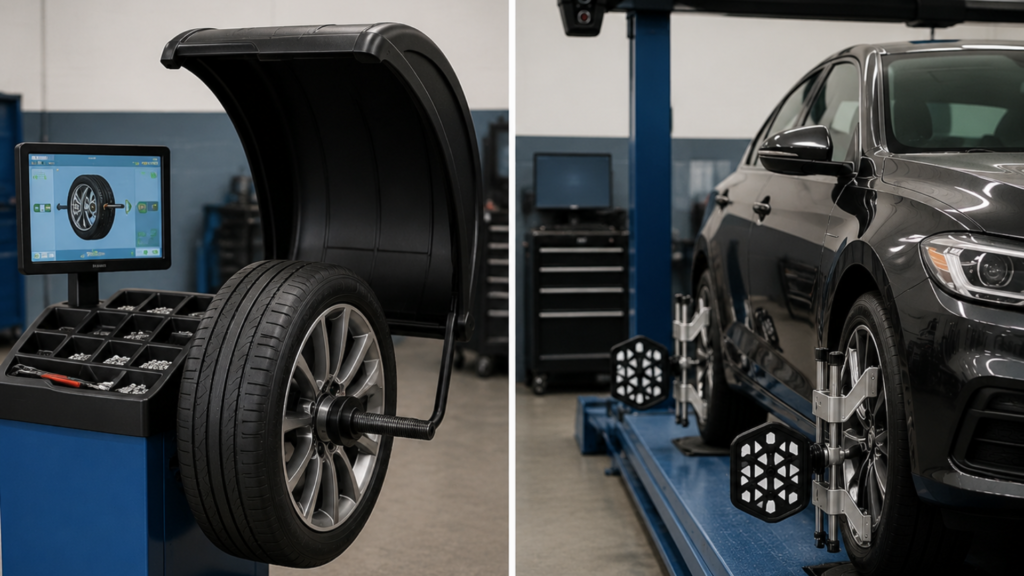
Tire Balancing Vs Alignment: Which One Does Your Car Really Need? Your steering wheel is shaking. Your tires are wearing unevenly. Something feels off, but you are not sure what. Sound familiar? Most drivers assume they need one or the other – tire balancing or wheel alignment – but the truth is, these are two completely different services that solve two completely different problems. Mixing them up is easy, but getting the wrong service means wasting money and leaving the real issue unresolved. Here is a clear, honest breakdown of what each service actually does and how to tell which one your car is asking for. What Is Tire Balancing? Tire balancing is exactly what it sounds like. It corrects uneven weight distribution around a tire and wheel assembly. When a tire is mounted on a wheel, tiny imperfections in both the tire and the rim can cause one side to be slightly heavier than the other. That imbalance might seem small, but at highway speeds, it causes a noticeable vibration – usually felt in the steering wheel, the seat, or the floorboard. A technician uses a balancing machine to spin the wheel and detect where the weight is off, then attaches small counterweights to bring everything into balance. Common Signs You Need Tire Balancing Vibration in the steering wheel or vehicle cabin, especially at speeds above 50 mph Uneven or scalloped tire wear patterns Poor fuel efficiency that has no other explanation The car feels rougher than usual on smooth roads Tire balance issues are often caused by normal wear and tear over time, hitting a pothole, or simply driving thousands of miles. Most manufacturers recommend having your tire balance checked every 5,000 to 6,000 miles or whenever you notice vibration. What Is Wheel Alignment? Wheel alignment is about angles, not weight. It refers to adjusting the direction and angle of your tires so they are perfectly parallel to each other and perpendicular to the road – essentially making sure every wheel is pointing in the right line. A car’s suspension connects the wheels to the vehicle frame, and over time, that suspension can shift. Hitting a curb, driving on rough roads, or general wear and tear can all knock your alignment out of spec. Even a minor misalignment changes how your tires make contact with the road. Common Signs You Need a Wheel Alignment Your car pulls to the left or right even when you are driving straight The steering wheel is off-center when the car is going straight Uneven tire wear – one edge wearing faster than the other The car feels loose or drifts without input from the steering wheel Alignment is measured in three angles: camber, toe, and caster. You do not need to memorize those terms, but a technician will check all three to make sure your tires are sitting and rolling exactly as the manufacturer intended. Tire Balancing Vs Alignment: The Key Differences It helps to see these two services side by side.   Tire Balancing Wheel Alignment   What it fixes Uneven weight distribution Incorrect tire angles Main symptom Vibration Pulling or drifting What wears out Tires unevenly Tires on one edge Involves Counterweights on the wheel Adjusting suspension angles How often Every 5,000-6,000 miles Every 1-2 years or after an impact Both services protect your tires from premature wear, improve fuel economy, and keep your car handling the way it should. But they are not interchangeable. Do You Need Both at the Same Time? Absolutely. In fact, it is common. If you have been driving on misaligned tires for a while, the uneven contact with the road can also throw off your tire balance. Many shops – including the team at Don and Joe’s Auto Service in New Castle, IN – recommend addressing both during the same visit to save time and catch everything at once. Cold inflation pressure also plays a role here. Tires that are consistently under- or over-inflated will wear unevenly regardless of how well they are balanced or aligned. Always check your vehicle care regularly. How a Technician Figures Out Which You Need A good technician does not guess. They start with a visual inspection of the tires, looking at wear patterns. From there, they may use a sensor-equipped balancing machine or a computerized alignment rack to get precise readings. Wear on the center of the tread often points to inflation issues. Wear on both outer edges suggests the tires have been under-inflated. Wear on one edge almost always points to an alignment problem. Cupping or scalloping across the tread is a classic sign of a tire balance issue. Which Service Does Your Car Need? If your car is vibrating, you likely need a tire balance. If it is pulling or your tires are wearing on one edge, a wheel alignment is probably the answer. When in doubt, let a professional take a look before the problem gets worse. The team at Don and Joe’s Auto Service has been diagnosing and fixing exactly these kinds of issues for drivers in New Castle, IN, since 1977. Schedule your suspension and brakes service or call us at 765-529-3555.

Tire Balancing Vs Alignment: Which One Does Your Car Really Need? Read More »

Why Your Spongy Brake Pedal Is a Red Flag - and How to Fix It Fast

Why Your Spongy Brake Pedal Is a Red Flag – and How to Fix It Fast

Why Your Spongy Brake Pedal Is a Red Flag – and How to Fix It Fast There are few things more unsettling than pressing your brake pedal and feeling it sink toward the floor like a wet sponge. If your car’s brakes feel soft, mushy, or unresponsive, that is not a quirk you should ignore. It is a warning sign that something in your braking system needs attention – and fast. What Does a Spongy Brake Pedal Actually Mean? Your vehicle’s braking system relies on pressure. When you press the pedal, brake fluid transfers force from the master cylinder through hoses and lines to the disc brakes or drum brakes at each wheel. That system only works correctly when it is sealed and pressurized. A spongy pedal usually means that pressure is escaping somewhere it should not, or that something is compromising the fluid’s ability to carry that force efficiently. Common Causes of a Soft or Spongy Brake Pedal Air in the Brake Lines This is the most common culprit. Unlike brake fluid, air is compressible. When air enters the brake lines – often after a repair or a leak – the pedal loses its firm feel. Instead of transmitting clean pressure to the caliper piston or wheel cylinder, your foot pushes against a pocket of air that simply compresses rather than doing its job. Low or Contaminated Brake Fluid Brake fluid absorbs moisture over time. When water mixes into the fluid, it lowers the boiling point and can cause the fluid to behave unpredictably under pressure. A low fluid level may also point to a leak somewhere in the system – around a hose, the master cylinder, or even at the caliper itself. A Failing Master Cylinder The master cylinder is the heart of your brake system. It converts the force from your foot into hydraulic pressure. When the internal seals inside the cylinder wear out, fluid bypasses them instead of building pressure, and your pedal goes soft. This is a repair that should not be delayed. Worn Brake Pads or Shoes Severely worn brake pads or drum brake shoes can cause the piston to extend further than it should, which can make the pedal feel lower and softer than normal. Rust on rotors or drums can also create uneven contact and contribute to a spongy feeling. A Compromised Vacuum Servo The vacuum servo (also called a brake booster) amplifies the force you apply to the pedal. If it develops a leak or loses vacuum pressure, your brakes will feel much harder to press – but a partially failing vacuum servo can also contribute to inconsistent pedal feel. Why You Should Not Wait on This Repair A spongy brake pedal is not a “keep an eye on it” problem. Brakes are your car’s most critical safety system. If the pedal fails to build pressure when you need it most – at a stop sign, in traffic, or in an emergency – the consequences can be severe. If your brake fluid is leaking or your master cylinder is failing, the situation can deteriorate quickly. Every mile you drive with a compromised brake system is a risk that is not worth taking. How the Problem Gets Fixed Diagnosing a spongy pedal starts with a thorough inspection of the entire brake system. A technician will check the fluid level and condition, inspect the hoses and lines for leaks, examine the master cylinder, and assess the brake pads, shoes, and rotors for wear or rust. From there, the fix might involve bleeding the brake lines to remove air, replacing worn brake pads or shoes, repairing or replacing a leaking hose, or installing a new master cylinder. In some cases, it is a straightforward job. In others, multiple components need attention at once. Get Your Brakes Checked by Professionals You Can Trust At Don & Joe’s Auto Service in New Castle, IN, the team has been diagnosing and repairing brake systems since 1977. Their ASE-certified technicians use state-of-the-art diagnostic tools to find the real source of the problem – not just the obvious one. Don’t Ignore a Spongy Brake Pedal A spongy brake pedal is your vehicle telling you something is wrong with one of its most important systems. Whether it is air in the lines, a failing master cylinder, or worn brake pads, the fix starts with an honest, accurate diagnosis. Do not wait until the pedal hits the floor. Schedule a suspension and brake service with Don & Joe’s Auto Service today, or call 765-529-3555 to get your brakes inspected by technicians who have earned the community’s trust for over four decades.

Why Your Spongy Brake Pedal Is a Red Flag – and How to Fix It Fast Read More »

7 Signs of Low Transmission Fluid You Shouldn't Ignore

7 Signs of Low Transmission Fluid You Shouldn’t Ignore

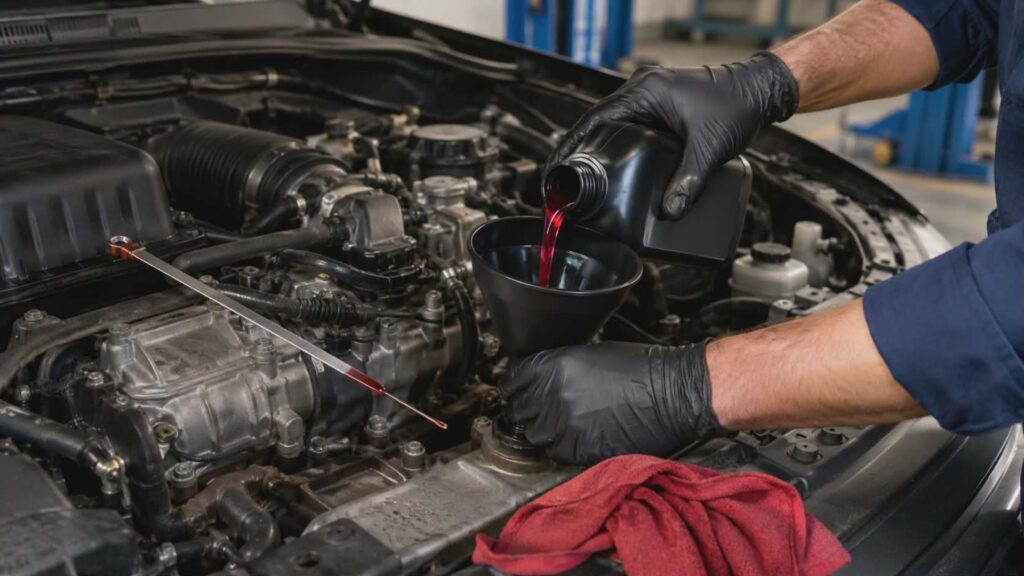
7 Signs of Low Transmission Fluid You Shouldn’t Ignore Your car depends on dozens of fluids to keep everything running smoothly, but few are as critical as transmission fluid. When your transmission fluid is low, things can go wrong fast – and if you ignore the early warning signs, you could be looking at serious transmission damage down the road. Whether you drive an automatic or manual transmission vehicle, knowing the symptoms of low transmission fluid can save you a lot of money and frustration. Here’s what to watch for. Why Transmission Fluid Matters Transmission fluids do a lot of heavy lifting inside your vehicle. They lubricate moving parts, help regulate heat, create the hydraulic pressure needed to shift gears, and reduce friction between transmission components. Without enough fluid, those parts grind against each other, overheat, and wear down fast. Low transmission fluid can lead to erratic shifting, strange noises, and eventually a complete transmission repair or replacement. Think of it like motor oil for your engine – if the level drops too low, damage to the vehicle follows quickly. 7 Common Signs of Low Transmission Fluid 1. Delayed or Rough Gear Shifts One of the most noticeable signs your transmission fluid is running low is a change in how your car shifts. You might notice a hesitation when shifting from park to drive, or the gear changes feel jerky and rough instead of smooth. This happens because transmission fluid provides the hydraulic pressure needed to engage each gear. When the fluid is low, that pressure drops and shifting becomes unpredictable. In automatic transmission vehicles especially, this symptom shows up early and clearly. 2. Slipping Gears Gear slipping is when your transmission unexpectedly changes gears on its own, or struggles to stay in the right gear while driving. It can feel like your car is losing power mid-acceleration, which is unsettling – and dangerous. Low fluid levels reduce the fluid pressure needed to hold gear positions properly. If your trans fluid is low enough, the transmission may slip frequently, making the vehicle feel inconsistent and unreliable on the road. 3. Unusual Noises While Driving A healthy transmission runs quietly. If you start hearing whining, grinding, or clunking as your car shifts, that’s a red flag. Low fluid means less lubrication, and without enough lubrication, metal parts inside the transmission begin to make contact in ways they should not. These unusual noises are your transmission asking for help before the wear and tear turns into something much worse. 4. A Burning Smell A burning smell coming from under your hood or beneath the vehicle is never something to ignore. When transmission fluid gets too low, the remaining fluid overheats quickly because it cannot properly manage heat across all the transmission components. Burnt-smelling fluid has a sharp, acrid odor that is different from a coolant or oil smell. If you catch this with your sense of smell while driving, pull over safely and check the fluid level as soon as you can. Continuing to drive risks a full overheat situation. 5. Transmission Fluid Leaking If you notice a puddle forming on your driveway or parking spot, check the color. Automatic transmission fluid is typically bright red when fresh and becomes darker or brown as it ages. A leak is often the root cause of low transmission fluid levels in the first place. The fluid may drip from a faulty seal, a loose transmission pan, or a damaged line. Finding a leak early and fixing it before the level is low is far cheaper than dealing with the damage that follows if you let it go. 6. Check Engine Light or Transmission Warning Your vehicle is always monitoring itself. When the check engine light comes on, many drivers assume it is an engine issue – but the check engine light can also be triggered by transmission problems, including low fluid levels. Some newer vehicles have a dedicated transmission warning light. Either way, do not ignore dashboard alerts. Get the vehicle scanned with a proper computer diagnostics check to find out what is going on before the problem gets worse. 7. Overheating Transmission An overheating transmission is a serious sign of low transmission fluid that needs immediate attention. Transmission fluids are designed to absorb and disperse heat generated during normal driving conditions. When there is not enough fluid, the heat builds up rapidly. You may notice sluggish performance, a burning odor, or your temperature gauge behaving oddly. In some cases, the vehicle may go into a protective “limp mode” to prevent further damage. If this happens, stop driving and have your transmission inspected right away. How to Check Your Transmission Fluid Checking your transmission fluid level is something many drivers can do at home. On most vehicles, you can use the transmission dipstick – similar to how you check the oil – to check the fluid level. Pull out the dipstick to check the level, wipe it clean, reinsert it, and pull it out again to get an accurate reading. If the fluid is low, add fluid using the correct fluid type recommended for your vehicle. Using the wrong fluid or the right fluid in the wrong amount can both cause problems. If you are unsure, it is always worth having a professional check your fluid and inspect for the source of any leak. For vehicles like a CVT transmission or certain four-wheel drive systems, the process can be different and may require a technician to check the fluid and filter properly. When to See a Professional If you notice any of these warning signs, do not wait. Low transmission fluid levels and fluid issues can escalate quickly into costly repairs. When in doubt, have a trusted auto repair shop inspect your vehicle before small problems become big ones. At Don and Joe’s Auto Service, serving Henry County, IN, the ASE-certified technicians have been diagnosing and fixing transmission problems since 1977. Whether you need a fluid change, a transmission repair, or just want

7 Signs of Low Transmission Fluid You Shouldn’t Ignore Read More »

Coolant Reservoir Bubbling: What It Means and How to Fix It Fast

Coolant Reservoir Bubbling: What It Means and How to Fix It Fast

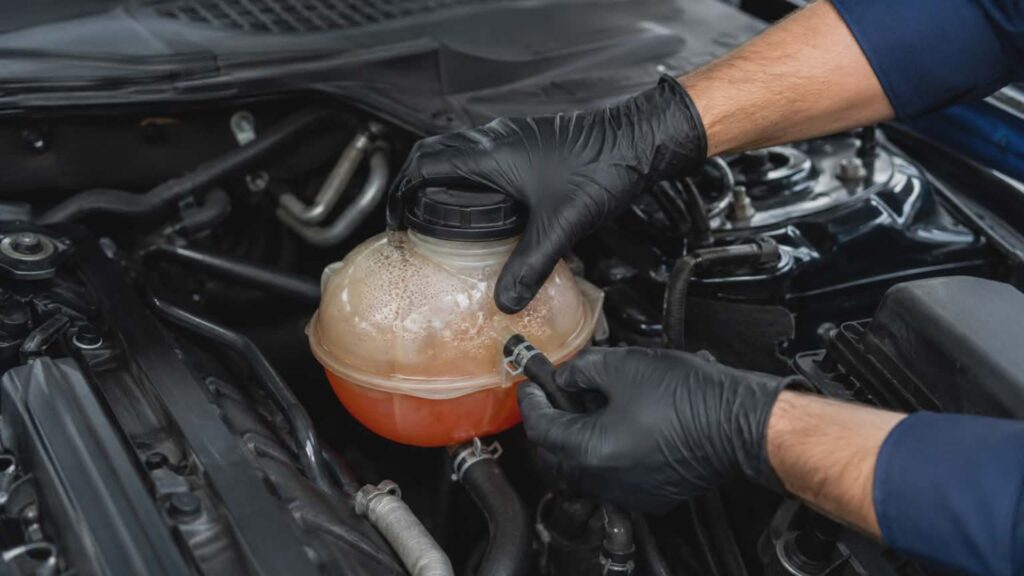
Coolant Reservoir Bubbling: What It Means and How to Fix It Fast You glance under the hood and notice something odd. The coolant reservoir is bubbling like a pot of soup on the stove. It looks alarming, and honestly, it should get your attention right away. Coolant reservoir bubbling is not something you want to ignore. It is often a sign that something is wrong inside your engine, your cooling system, or both. The good news is that catching it early can save you from a much bigger, more expensive problem down the road. What Does a Bubbling Coolant Reservoir Actually Mean? The coolant in your vehicle is designed to absorb heat from the engine and carry it away through the radiator. Under normal conditions, this is a smooth, pressurized process. When you see bubbles in the coolant reservoir, it usually means that process has been disrupted. There are a few different things that can cause bubbles to appear. Some are minor. Others are serious. Understanding the difference matters a lot before you decide what to do next. Air in the Cooling System One of the most common causes of bubbling is trapped air. When air gets into the cooling system, it creates air pockets that do not flow like liquid. As coolant circulates and heats up, these pockets can cause gurgling or bubbling sounds and visible activity in the overflow tank. Air in the cooling system can get in after a coolant change, after cooling system work has been done, or if the coolant level has been allowed to run low. In many cases, you can bleed the system to remove trapped air and the bubbling stops shortly after. A Failing or Stuck Thermostat The thermostat controls when coolant flows from the engine to the radiator. When it works correctly, the thermostat opens once the engine reaches operating temperature, allowing hot coolant to circulate and cool down. If the thermostat sticks closed, coolant cannot move freely. Heat builds up rapidly, and the coolant may begin to boil locally before it ever reaches the radiator. This can cause bubbling in the reservoir and cause your temperature gauge to climb quickly. Replacing the radiator and thermostat together is sometimes the right call when one component has already been under excessive stress. A Faulty Radiator Cap It sounds simple, but a worn-out radiator cap can cause real problems. The rad cap is responsible for maintaining the right system pressure inside the cooling system. If it fails, pressure drops, which lowers the boiling point of the coolant and can cause it to boil even at normal operating temperatures. A new cap is one of the cheapest fixes in automotive repair. If you have not had your pressure cap inspected recently, it is worth having a mechanic check it before assuming the worst. A Blown Head Gasket This is the big one. A blown head gasket is one of the most serious causes of coolant bubbling. The head gasket sits between the cylinder head and the engine block, sealing off coolant passages from the combustion chamber. When head gasket failure occurs, combustion gas can enter the cooling system. These exhaust gases create bubbles in the coolant that are very different from simple air bubbles. This is sometimes described as exhaust gas leaking into the coolant, and it is a sign of significant internal engine damage. How do you know if it is a head gasket problem? Here are the warning signs to watch for: Bubbles in the coolant reservoir that appear quickly after you start the car White smoke coming from the exhaust Coolant loss with no visible coolant on the ground The engine overheating repeatedly even after topping up the coolant level Oil that looks milky or has a frothy appearance A sweet smell coming from the exhaust If you see several of these together, a blown head gasket is very likely the culprit. How Combustion Gases Cause Bubbling To understand the problem clearly, it helps to think about how an internal combustion engine works. The combustion chamber is where fuel and air mix and ignite. This process produces enormous heat and pressure inside each cylinder. The head gasket acts as a barrier between the combustion chamber and the coolant passages. When there is a leak in the head gasket, combustion gas pushes through that breach and enters the cooling system. These combustion gases bubble up through the hot coolant, causing visible bubbling and overheating. A cracked cylinder head or a cracked block can cause the same effect. Coolant boiling under these conditions is a sign of serious internal damage that will only get worse with driving. How to Diagnose Coolant Reservoir Bubbling Before throwing parts at the problem, you need to know what you are actually dealing with. Here is a basic approach to diagnosing bubbling in the reservoir. Check the basics first. Check the coolant level, look for coolant on the ground nearby, and check for white smoke from the exhaust. These three quick checks can give you a lot of information before you dig deeper. Inspect the radiator cap. Remove the coolant cap only when the engine is cold. Inspect the seal and the spring tension. A weak or cracked cap should be replaced with a new cap right away. Watch the reservoir when the engine is running. Start the car and let it warm up. As the thermostat opens, watch the overflow tank carefully. If bubbles start appearing rapidly, especially before the engine reaches full operating temp, that points toward a head gasket issue rather than simple trapped air. Use a combustion leak tester. A chemical test kit can detect combustion gas in the coolant. The tester uses a fluid that changes color if exhaust gases are present in the coolant. This is one of the most reliable ways to confirm or rule out a head gasket leak without tearing the engine apart. Request a pressure test. A pressure test performed by a professional can reveal leaks that

Coolant Reservoir Bubbling: What It Means and How to Fix It Fast Read More »

Blend Door Actuator Symptoms You Shouldn't Ignore in Your Car

Blend Door Actuator Symptoms You Shouldn’t Ignore in Your Car

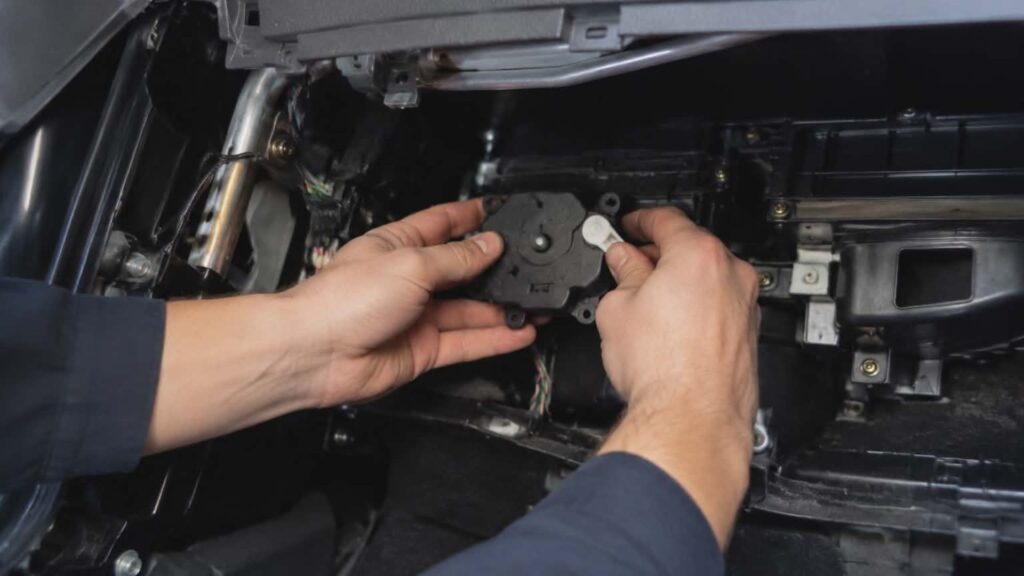
Blend Door Actuator Symptoms You Shouldn’t Ignore in Your Car Have you ever cranked up the heat on a cold morning only to get a blast of cold air? Or maybe you’ve heard a strange clicking sound coming from behind the dashboard and had no idea what it was? These are classic signs that something is going wrong with a small but important part of your car’s heating and cooling system – the blend door actuator. Most drivers have never heard of this component, and that’s completely understandable. But once it starts acting up, you’ll definitely notice. Here’s what you need to know. What Is a Blend Door Actuator? The blend door actuator is a small electric motor that controls the blend door inside your car’s HVAC system. Think of it like a small plastic box with plastic gears inside, working quietly behind the dashboard to mix hot and cold air together so the temperature inside your car stays where you set it. When you adjust the temperature on your climate control panel, the actuator receives a signal and moves the blend door to allow either the heater core or the evaporator to influence the air coming into the cabin. It plays a crucial role in cabin temperature control, and when it starts to fail, your comfort goes with it. Common Symptoms of a Faulty Blend Door Actuator Catching a failing blend door actuator early can save you time, money, and frustration. Here are the most common signs to watch for. Wrong Temperature Coming from Your Vents One of the most common symptoms of a faulty blend door actuator is getting the wrong temperature from your vents. You set the heat to 75 degrees, and hot air pours out. You switch to cool, and it keeps blowing warm air. When the actuator fails, it may be stuck in one position, leaving you with either hot or cold air regardless of your settings. This happens because the blend door actuator can no longer properly move the door to blend hot and cold air. The temperature in your car becomes a guessing game, which makes for a very uncomfortable driving experience. Clicking or Knocking Sounds from the Dashboard Another common complaint is a knocking sound coming from behind the dashboard, especially when you first start the car or change the temperature setting. This clicking or knocking noise is a sign that your blend door actuator is failing – often because the small plastic gears inside have worn down or broken. When the actuator is trying to move but can’t complete its range of motion, it keeps cycling and making that repetitive noise. If you’re hearing this in your car or truck, don’t ignore it. That sound is the actuator telling you it’s on its way out. Inconsistent or Fluctuating Airflow A malfunctioning blend door actuator can also cause airflow issues. If the temperature seems to fluctuate on its own, or if the air coming out of your vents changes without you touching anything, there’s likely an issue with your blend door actuator. A bad blend door actuator doesn’t always fail completely right away. It may work fine one day and cause problems the next. This inconsistency is frustrating, but it’s a clear signal that something is wrong inside the vehicle’s HVAC system. HVAC Control Panel Not Responding Correctly Many newer vehicles use fully electronic HVAC systems, so the blend door actuator is often integrated with the car’s on-board diagnostics. If your climate control system stops responding correctly to your inputs – or if your check engine or HVAC warning light comes on – a mechanic can use a scanner to check for error codes related to the HVAC system. These HVAC-related error codes can help a technician diagnose the problem and confirm whether the blend door actuator is the culprit or if something else is at play, such as a blown fuse or faulty electrical wiring connected to the actuator. What Causes a Blend Door Actuator to Fail? Understanding the common reasons behind actuator failure can help you make sense of what’s happening under your dashboard. The most common causes include: Wear and tear – Over time, the small plastic gears inside the actuator wear down from constant movement, especially in older vehicles. Electrical issues – A blown fuse or damaged electrical wiring can cut power to the actuator, causing it to stop working. Mechanical obstructions – Sometimes debris or a broken blend door can prevent the actuator from moving properly, causing it to burn out. Outside air temperature extremes can also speed up wear on plastic components, which is something to keep in mind during harsh seasons. Replacing a Blend Door Actuator: What to Expect The cost of replacing a blend door actuator can vary based on your vehicle’s make and model and where the actuator is located inside the dashboard. In some vehicles, the part is easy to access. In others, a mechanic may need to remove significant portions of the dashboard to reach it. Replacing a blend door actuator is not usually a DIY-friendly job, especially on newer model cars with complex HVAC layouts. It’s the kind of auto repair that benefits from a professional with the right tools and experience. When done correctly, a new blend door actuator restores full temperature control and airflow, making your car comfortable again. Dealing with a broken blend door actuator sooner rather than later also helps extend the life of other HVAC components, since a stuck or struggling actuator can put extra stress on the system. Get Your Blend Door Actuator Checked in Henry County, IN If you’re noticing any of these symptoms, the team at Don and Joe’s Auto Service in Henry County, IN is ready to help. With over 40 years of experience in automotive repair and maintenance, their ASE-certified technicians can quickly diagnose heating and cooling system issues and get your vehicle back to comfort. They offer free estimates and back their repairs with a 1-year warranty. Call

Blend Door Actuator Symptoms You Shouldn’t Ignore in Your Car Read More »

10 Bad Mass Air Flow Sensor Symptoms That Mean Trouble for Your Engine

10 Bad Mass Air Flow Sensor Symptoms That Mean Trouble for Your Engine

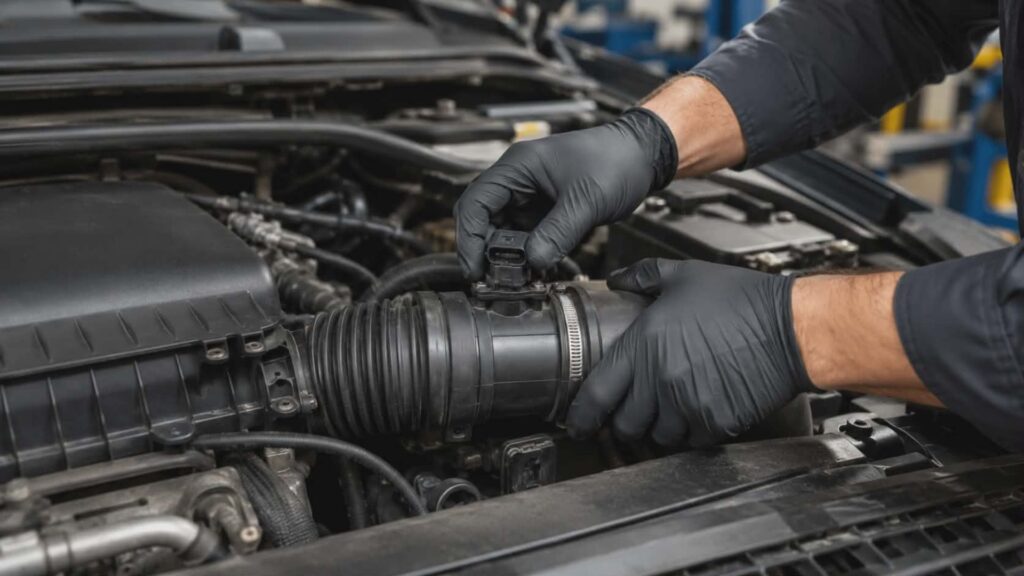
10 Bad Mass Air Flow Sensor Symptoms That Mean Trouble for Your Engine Your car is telling you something is wrong, but you are not sure what. The engine feels off, the gas mileage is dropping, and something just does not seem right. There is a good chance the problem traces back to a small but critical component: the mass air flow sensor. Understanding what this sensor does and recognizing the common symptoms of a bad MAF sensor can save you from expensive repairs down the road. What Does a Mass Air Flow Sensor Actually Do? The mass air flow sensor, often called the MAF sensor, measures the amount of air entering the engine. That data gets sent directly to the engine control unit, which uses it to calculate the correct amount of fuel needed for combustion. When the sensor works properly, your engine runs efficiently. When it fails, the ECU gets inaccurate airflow data, and the air-fuel ratio gets thrown off. That disruption can ripple through your entire engine system. What Causes MAF Sensor Problems? Before jumping into the symptoms, it helps to understand the causes of MAF sensor failure. The most common culprit is contamination. Dirt and debris can accumulate on the sensor’s delicate wire, throwing off its ability to measure airflow accurately. A clogged air filter is another frequent cause. When the air filter fails to block contaminants, they reach the sensor and interfere with actual airflow readings. Vacuum leaks, oil exposure from a poorly oiled aftermarket air intake filter, and age-related wear are also known causes of MAF sensor issues. 10 Common Symptoms of a Bad Mass Air Flow Sensor Check Engine Light Comes On The check engine light is often the first warning sign. When the MAF sensor malfunctions, the ECU detects a problem and stores diagnostic trouble codes that trigger the light. Do not ignore it. Rough Idling If your engine shakes or feels unstable when sitting at a stop, rough idling is a classic sign of a bad MAF sensor. Without accurate airflow data, the engine struggles to maintain a steady idle. Engine Stalling A faulty MAF sensor can cause the engine to stall unexpectedly, especially right after starting or when coming to a stop. Engine stalling in these situations is a red flag worth taking seriously. Hesitation During Acceleration You press the gas and the car hesitates or stumbles instead of responding smoothly. This hesitation happens because the ECU is not getting accurate readings about how much air is entering the engine, so fuel injection timing gets thrown off. Sluggish Performance The vehicle feels heavy or slow to respond. A malfunctioning MAF sensor tells the engine control module the wrong amount of airflow, which affects throttle response and overall drivability. Rich or Lean Fuel Mixture A faulty mass air flow sensor can push the fuel mixture in either direction. Too much fuel creates a rich condition. Too little fuel creates a lean condition. Both hurt engine performance and can damage components like spark plugs over time. Poor Fuel Economy If you’re refueling more often without driving farther, a failing MAF sensor could be to blame. When the air and fuel balance is off, fuel efficiency takes a serious hit. Fuel economy suffers because the engine is burning more gas than it should. Black Smoke from the Exhaust Excessive black smoke from your exhaust pipe points to a rich fuel condition where the engine is burning too much fuel. A faulty MAF sensor that sends incorrect data to the ECU often contributes to this problem. Hard Starting Your engine cranks but takes longer than usual to start. When the MAF sensor sends bad data during startup, the system struggles to deliver the right air-fuel mixture from the moment you turn the key. Increased Fuel Consumption Beyond just noticing more trips to the gas station, you might track your actual mileage and see a measurable drop. Elevated fuel consumption is one of the clearest signs of a bad MAF sensor affecting your vehicle’s efficiency. Should You Try to Fix It Yourself? Some drivers attempt to clean the sensor with specialized MAF sensor cleaner, and that sometimes resolves the issue if contamination is the only problem. However, if cleaning does not fix the symptoms, a replacement MAF sensor is usually the next step. The tricky part is making sure you replace it with the correct sensor. Using a non-OEM or incompatible sensor can create new problems. An experienced technician can confirm whether cleaning or replacing the sensor is the right call. When to Get a Professional Diagnosis If you are seeing multiple symptoms of a bad mass air flow sensor at once, it is time to bring your vehicle in for a proper inspection. MAF sensor problems can overlap with other issues like vacuum leaks, bad spark plugs, or failing fuel injectors, making a professional diagnosis the most accurate path forward. At Don and Joe’s Auto Service in Henry County, IN, the team uses state-of-the-art computer diagnostics to pinpoint what is actually causing your engine trouble. Whether it turns out to be the mass air flow sensor or something else entirely, you will get an honest answer and quality repair work backed by a 1-year warranty. Conclusion A faulty mass air flow sensor might seem like a small problem, but the symptoms it causes can disrupt your engine in a big way. From rough idling and stalling to poor fuel economy and sluggish acceleration, the warning signs are hard to miss once you know what to look for. If your vehicle is showing any of these symptoms, do not wait. Bring it to Don and Joe’s Auto Service in Henry County, IN, and let the ASE-certified technicians get to the root of the problem fast. Call 765-529-3555 to schedule your diagnostic appointment.

10 Bad Mass Air Flow Sensor Symptoms That Mean Trouble for Your Engine Read More »

How Long Can You Drive With Check Engine Light On Without Risking Bigger Repairs?

How Long Can You Drive With the Check Engine Light On Without Risking Bigger Repairs?

How Long Can You Drive With Check Engine Light On Without Risking Bigger Repairs? That little amber glow on your dashboard has a way of ruining your morning. You start your car, and there it is – the check engine light staring back at you. Now the big question hits: is it safe to keep driving, or should you pull over immediately? The honest answer is that it depends. Not every check engine light means disaster, but ignoring the light altogether can turn a minor fix into a major bill. Here is what you actually need to know. What Does the Check Engine Light Mean? The check engine light is part of your car’s onboard diagnostics system, often called OBD-II. When something in your vehicle falls outside normal operating parameters, the system logs a fault code and triggers this warning light on your dashboard. The check engine light means something in your engine, emissions system, or related components needs attention. It doesn’t always mean your engine is about to fail. It could be something as simple as a loose gas cap or as serious as a catalytic converter problem or engine misfire. Common Reasons the Light Comes On There are dozens of fault codes that can trigger the check engine light. Some of the most frequent causes include: A loose gas cap that is letting fuel vapors escape A failing oxygen sensor affecting your air-fuel ratio A worn spark plug or plug wire causing an engine misfire A damaged catalytic converter reducing vehicle emissions control A faulty mass flow sensor misreading the air entering the engine Vacuum leaks affecting fuel efficiency and vehicle performance Some of these are inexpensive fixes. Others, if left alone, can lead to further damage and costly repairs down the road. Steady vs. Flashing: The Check Engine Light Is Not All the Same This is the part most drivers miss. The engine light can be solid or flashing, and that difference matters a lot. What a Solid Check Engine Light Means If the check engine light is steady and your car feels normal otherwise – no strange noise, no smoke, no rough acceleration – you are likely able to drive a few miles without immediate risk. A solid check engine light usually means a non-emergency issue that still needs attention soon. For example, if the check engine light just came on and the car is running normally with no other symptoms, it is reasonable to drive short distances while you schedule a diagnostic appointment. Maybe it is a minor issue like a faulty oxygen sensor or a loose gas cap. You should still get it checked within a day or two. If the check engine light is solid and your car drives fine, do not ignore it. Schedule a visit to your trusted mechanic as soon as possible. What a Flashing Check Engine Light Means A flashing check engine light is a different story entirely. If the light is blinking, that is your vehicle telling you something serious is happening right now. A flashing check engine light typically signals an active engine misfire. When a misfire occurs, unburned fuel is pushed into the exhaust system. This can damage the catalytic converter quickly – and catalytic converter replacement is one of the more expensive repairs you can face. If the check engine light is flashing, do not keep driving. Pull over as soon as it is safe and turn off the engine. Continuing to drive could cause severe engine damage and dramatically increase your repair costs. So How Long Can You Drive With It On? This is where most people want a simple number, but the real answer depends on the situation. If the light is solid, your car still feels normal, and there are no other warning signs like oil leaks, overheating, or unusual noise, you can safely drive for a short period – typically a day or two – before getting it diagnosed. Driving hundreds of miles without addressing it is where people get into trouble. If the light is flashing, the answer is: stop as soon as it is safe. Continuing to drive a car with the check engine light flashing can lead to further damage that goes well beyond the original problem. Ignoring the light, regardless of whether it is solid or flashing, is never a smart move. A check engine light can lead to larger, more expensive repairs the longer it goes unaddressed. Why You Should Not Wait Too Long There is a common habit of thinking, “the car still drives fine, so I will deal with it later.” The problem is that check engine light issues are rarely static. A failing sensor can throw off your fuel efficiency, leading to poor combustion. An untreated misfire can damage the catalytic converter. A small vacuum leak can affect the air-fuel ratio and put stress on the engine over time. Whether it is safe to keep driving depends on acting before a small issue becomes a serious engine problem. The longer you wait, the more money and time you risk spending at the auto repair shop. Getting a Proper Diagnosis Modern vehicles use a computer-based diagnostics system that stores fault codes when something goes wrong. A mechanic can read these codes with a diagnostic tool and identify the root cause quickly. At Don and Joe’s Auto Service in Henry County, IN, the team uses state-of-the-art computer diagnostics to accurately assess what is triggering the check engine light. With over 40 years of experience in auto repair, the team has seen nearly every fault code and cause. Getting a proper diagnosis early is the smartest and most affordable path forward. If you need a local auto repair shop you can count on, Don and Joe’s offers free estimates when performing the work, and most parts and labor come backed by a 1-year warranty. Call us at 765-529-3555 to schedule your diagnostic today. Conclusion A check engine light doesn’t always indicate a serious problem, but

How Long Can You Drive With the Check Engine Light On Without Risking Bigger Repairs? Read More »

Cylinder Misfire: Causes, Symptoms, And How To Fix It Fast

Cylinder Misfire: Causes, Symptoms, And How To Fix It Fast

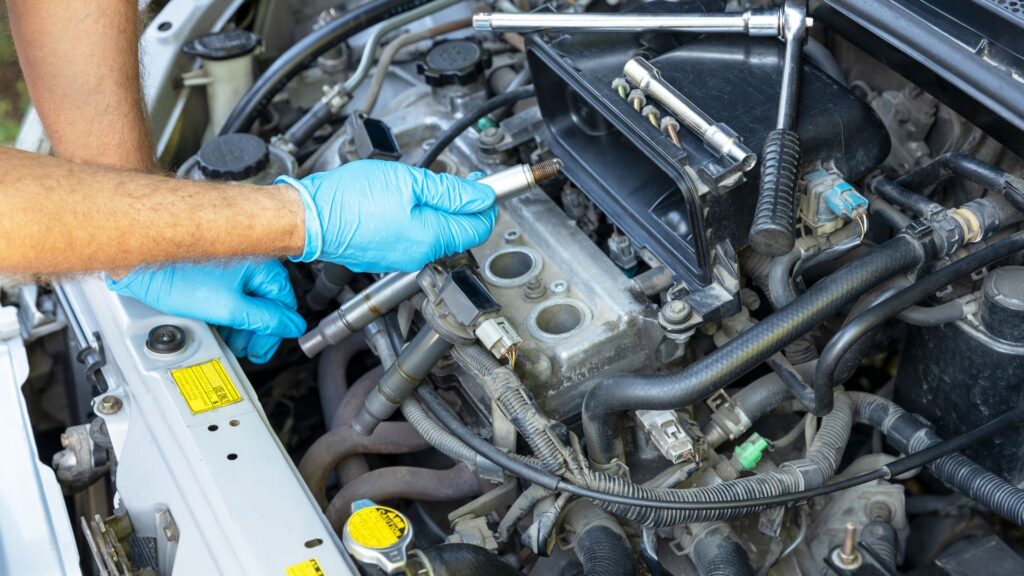
Cylinder Misfire: Causes, Symptoms, And How To Fix It Fast A cylinder misfire is one of those car problems that can sneak up on you. One moment your engine is running smoothly, and the next it’s shaking, hesitating, or struggling to accelerate. If this sounds familiar, you are not alone – and the good news is that misfires are diagnosable and fixable when you catch them early. This guide breaks down everything you need to know about what causes a misfire, how to recognize the symptoms of a misfire, and what steps to take before it turns into something more costly. What Is a Cylinder Misfire? A misfire occurs when one or more cylinders fail to properly complete the combustion cycle. In simple terms, each cylinder in your engine is supposed to compress an air-fuel mixture and fire at exactly the right moment. When the spark plug ignites the mixture correctly, the piston is pushed down and the crankshaft turns – keeping your vehicle moving. When one of your engine’s cylinders does not fire properly, that is a misfire. The engine control module – also called the engine control unit or computer – detects the problem through sensor data and stores misfire codes, which is often what triggers the Check Engine light on your dashboard. Common Causes of an Engine Misfire Understanding the cause of an engine misfire starts with knowing what each cylinder needs to fire correctly: the right spark, the right fuel, and the right compression. When any one of those three elements is off, you get a misfire. Worn or Fouled Spark Plugs Worn or fouled spark plugs are the most frequent cause. A spark plug ignites the mixture inside the cylinder, and when a plug becomes worn, cracked, or coated with carbon buildup, it loses the ability to ignite the air-fuel mixture consistently. Replacing spark plugs on a regular maintenance schedule is one of the simplest ways to prevent misfires from happening in the first place. Faulty Ignition Coil or Coil Packs The ignition coil transforms low battery voltage into the high-voltage spark needed to fire the spark plug. A faulty ignition coil – or a set of damaged coil packs – can cause a misfire in the specific cylinder it serves. In modern vehicles, each cylinder often has its own coil, which makes it easier to pinpoint the problem once you pull misfire codes from the on-board diagnostics system. Clogged or Malfunctioning Fuel Injector A clogged or malfunctioning fuel injector disrupts the precise air-fuel ratio that combustion requires. When the injector cannot deliver the right amount of fuel, that cylinder runs lean or rich, which causes an engine misfire. A dirty or failing fuel injector is a common culprit in the fuel system that gets overlooked during routine maintenance. Vacuum Leak A vacuum leak in the intake manifold or its gasket allows unmetered air into the engine. This throws off the air-fuel mixture and can lead to misfires, rough idle, and unstable engine performance. The intake manifold gasket, throttle body, and vacuum lines are all worth inspecting if a leak is suspected. Sensor and Airflow Issues A faulty mass air flow (MAF) sensor – sometimes called a mass airflow sensor – can send incorrect airflow data to the engine control module. This causes the fuel system to deliver the wrong amount of gasoline, which can cause an engine misfire under acceleration or at idle. An oxygen sensor that reads incorrectly can create similar problems by throwing off the fuel trim. Compression and Internal Issues Low compression in a cylinder points to deeper engine problems. Worn piston rings, a damaged valve, or a blown gasket can all reduce cylinder pressure. When compression drops too low, the air-fuel mixture cannot combust properly – and that cylinder misfires. These causes of a misfire tend to be more serious and require professional attention. EGR Valve and Exhaust Issues A stuck or dirty EGR valve can introduce too much exhaust gas into the intake, which dilutes the air-fuel mixture. Misfires can occur as a result, particularly at low RPMs when the engine is idling. Left unaddressed, exhaust-related misfires can damage the catalytic converter over time. Symptoms of a Misfire You Should Not Ignore Recognizing when your engine is misfiring early can save you from much bigger repair bills. Here is what to watch for: Rough idle – the engine stumbles or shakes when sitting still Hesitation when you accelerate – the car feels sluggish or jerks during acceleration Loss of power – the vehicle struggles on the highway or under load Poor fuel economy – a misfiring engine burns more fuel to compensate Check engine light – misfire codes typically trigger this warning Engine knocking or backfire – unusual noise from the engine bay or exhaust system Unusual exhaust smell – unburned fuel passing through the exhaust A misfire can feel subtle at first, especially at low speeds. But ignoring a misfire can lead to serious engine damage over time. Why Driving With a Misfire Is a Bad Idea Driving with a misfire might seem manageable if the car still moves, but it is not a risk worth taking. A misfire can cause serious wear on surrounding engine components. Unburned fuel can wash oil from cylinder walls, damaging piston rings and valve seats. It can also damage the catalytic converter by flooding it with raw gasoline. If left unaddressed, engine problems can escalate quickly – what starts as a simple ignition issue can turn into internal engine damage that costs thousands to repair. The sooner you address it, the better. Engine Misfire Diagnosis: What the Process Looks Like Proper engine diagnostics start with connecting a scan tool to the vehicle’s on-board diagnostics port. The data pulled from this process reveals which cylinder is misfiring and how often. A trained technician will then inspect the ignition system, fuel injectors, sensor readings, compression, and airflow to narrow down the potential causes. At Don & Joe’s Auto Service in Henry County, IN,

Cylinder Misfire: Causes, Symptoms, And How To Fix It Fast Read More »

Head Gasket Symptoms You Should Never Ignore

Head Gasket Symptoms You Should Never Ignore

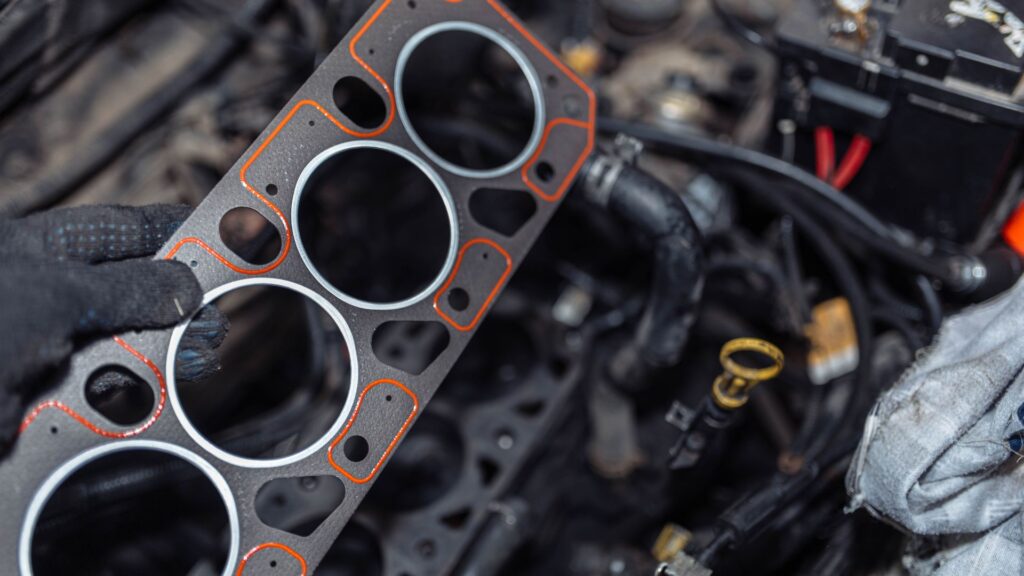
Head Gasket Symptoms You Should Never Ignore Your car has been running fine for years, and then one day something feels off. Maybe the temperature gauge is creeping higher than usual, or you notice a strange smell coming from under the hood. Before you brush it off as nothing serious, it is worth considering whether your head gasket could be the source of the problem. A bad head gasket can quietly cause serious damage if it goes unchecked. Understanding the warning signs early can be the difference between a manageable repair and a complete engine rebuild. What Is a Head Gasket and Why Does It Matter? The head gasket is a seal that sits between the engine block and cylinder head. Its job is to keep combustion gases, coolant, and oil in their proper places while the engine runs under intense heat and pressure. The head gasket plays a critical role in keeping your engine healthy. It prevents coolant and oil from mixing together, stops combustion gases from escaping, and helps maintain the compression needed for your engine to run efficiently. When the gasket fails, all of that careful separation breaks down fast. Think of it as the gatekeeper between some of the most important systems in your engine. When the head gasket is blown, things that were never meant to mix can suddenly mix, and that creates a cascade of problems. Common Signs of a Blown Head Gasket White Smoke from the Exhaust One of the most telltale signs of a blown head gasket is white smoke from the exhaust pipe. This happens when coolant is leaking into the combustion chamber and being burned off along with fuel. A small amount of steam from the exhaust on a cold morning can be normal condensation, but thick, sweet-smelling white smoke that continues after the engine warms up is a different story. That is a key sign that coolant is getting where it should not be. If you see this, do not keep driving and hoping it will clear up on its own. Engine Overheating If your engine is overheating regularly, your head gasket should be near the top of your suspect list. A leaking head gasket can cause coolant loss without any visible puddle under the car, because the coolant is being burned inside the engine instead of dripping onto the ground. The cooling system relies on coolant circulating through the radiator and engine block to manage engine temperature. When coolant escapes through a gasket leak, there is not enough fluid left to do the job. The result is engine overheating, which can warp the cylinder head and lead to even more expensive damage. Coolant Loss Without Visible Leaks You top off the coolant in the overflow tank, and a week later the level is low again. But you check under the car, and there is no puddle. Coolant loss without obvious external leaks is a classic indicator of a head gasket problem. In this situation, coolant is likely leaking into the cylinders or being pushed out through the exhaust system. Either way, your engine coolant is disappearing somewhere it has no business going, and a damaged head gasket is often the reason. Milky or Foamy Oil This one is unsettling to see. When you pull out the dipstick and find oil that looks like chocolate milk, that is a serious red flag. Coolant and oil mixing together creates that milky, foamy appearance – and it happens when the gasket fails and allows oil and coolant to cross into each other’s passages. Mixed coolant and oil is terrible for your engine. Oil loses its ability to lubricate properly when contaminated with coolant, which means engine parts are grinding against each other without adequate protection. This can lead to engine damage that goes far beyond just replacing the head gasket. Rough Idling and Loss of Power A failing head gasket can also cause a loss of compression in one or more cylinders. When combustion gases escape past the gasket instead of being used to drive the pistons, you will feel it. The engine may misfire, idle roughly, or feel sluggish when accelerating. Rough idling and loss of power are symptoms of a blown head gasket that are easy to confuse with other issues, such as problems with spark plugs or valves. That is why getting a proper inspection from a qualified technician matters so much. Guessing at the cause can lead to costly repairs that do not fix the actual problem. Check Engine Light The check engine light can indicate a head gasket issue, particularly when it appears alongside other symptoms like overheating or misfires. Modern vehicles use sensors throughout the engine to detect irregularities in pressure, temperature, and combustion efficiency. If your check engine light comes on and you are also noticing coolant or oil issues, do not delay getting a diagnosis. Computer diagnostics can help pinpoint whether a blown head gasket is contributing to the problem. What Causes Head Gasket Failure? Overheating Is the Top Culprit The most common cause of head gasket failure is engine overheating. Excessive heat causes the engine block and cylinder head to expand at different rates, which puts enormous strain on the head gasket. Over time, or in a single severe overheating event, the gasket can crack or warp. This is why addressing any cooling system issues promptly is so important. Ignoring a faulty thermostat or low radiator fluid can lead to overheating that blows the gasket entirely. Age, Wear, and Corrosion Over time, the cylinder head gasket simply wears out. Corrosion, heat cycling, and normal friction all take a toll on engine parts. Older vehicles with high mileage are naturally at a higher risk of head gasket failure, especially if coolant has not been flushed and replaced on schedule. Using the right antifreeze and keeping up with preventive maintenance helps reduce the risk of head gasket failure before it starts. How to Prevent a Blown Head Gasket The best way to prevent

Head Gasket Symptoms You Should Never Ignore Read More »

Schedule

Schedule Your Appointment Today

Your Automotive Repair & Maintenance Service Specialist

What Our Customers Say

Privacy Policy
Manage Consent Preferences
| Do Not Share My Information | Conditions of Use | Notice and Take Down Policy | Website Accessibility Policy
© 2026 The content on this website is owned by us and our licensors. Do not copy any content (including images) without our consent.