

Head Gasket Symptoms You Should Never Ignore
Your car has been running fine for years, and then one day something feels off. Maybe the temperature gauge is creeping higher than usual, or you notice a strange smell coming from under the hood. Before you brush it off as nothing serious, it is worth considering whether your head gasket could be the source of the problem.
A bad head gasket can quietly cause serious damage if it goes unchecked. Understanding the warning signs early can be the difference between a manageable repair and a complete engine rebuild.
What Is a Head Gasket and Why Does It Matter?
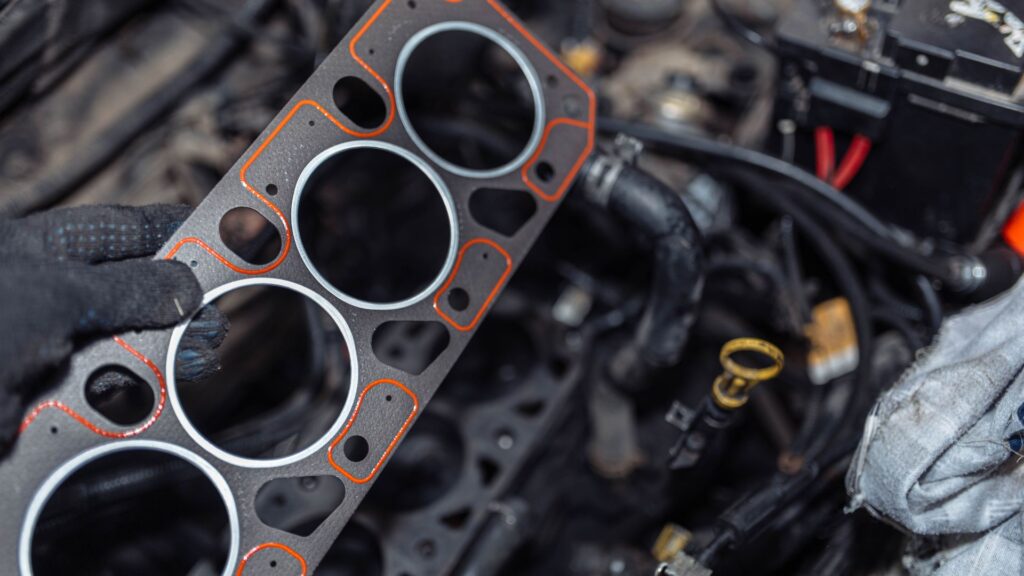
The head gasket is a seal that sits between the engine block and cylinder head. Its job is to keep combustion gases, coolant, and oil in their proper places while the engine runs under intense heat and pressure.
The head gasket plays a critical role in keeping your engine healthy. It prevents coolant and oil from mixing together, stops combustion gases from escaping, and helps maintain the compression needed for your engine to run efficiently. When the gasket fails, all of that careful separation breaks down fast.
Think of it as the gatekeeper between some of the most important systems in your engine.
When the head gasket is blown, things that were never meant to mix can suddenly mix, and that creates a cascade of problems.
Common Signs of a Blown Head Gasket
White Smoke from the Exhaust
One of the most telltale signs of a blown head gasket is white smoke from the exhaust pipe.
This happens when coolant is leaking into the combustion chamber and being burned off along with fuel.
A small amount of steam from the exhaust on a cold morning can be normal condensation, but thick, sweet-smelling white smoke that continues after the engine warms up is a different story.
That is a key sign that coolant is getting where it should not be. If you see this, do not keep driving and hoping it will clear up on its own.
Engine Overheating
If your engine is overheating regularly, your head gasket should be near the top of your suspect list. A leaking head gasket can cause coolant loss without any visible puddle under the car, because the coolant is being burned inside the engine instead of dripping onto the ground.
The cooling system relies on coolant circulating through the radiator and engine block to manage engine temperature. When coolant escapes through a gasket leak, there is not enough fluid left to do the job. The result is engine overheating, which can warp the cylinder head and lead to even more expensive damage.
Coolant Loss Without Visible Leaks
You top off the coolant in the overflow tank, and a week later the level is low again. But you check under the car, and there is no puddle. Coolant loss without obvious external leaks is a classic indicator of a head gasket problem.
In this situation, coolant is likely leaking into the cylinders or being pushed out through the exhaust system. Either way, your engine coolant is disappearing somewhere it has no business going, and a damaged head gasket is often the reason.
Milky or Foamy Oil
This one is unsettling to see. When you pull out the dipstick and find oil that looks like chocolate milk, that is a serious red flag. Coolant and oil mixing together creates that milky, foamy appearance – and it happens when the gasket fails and allows oil and coolant to cross into each other’s passages.
Mixed coolant and oil is terrible for your engine. Oil loses its ability to lubricate properly when contaminated with coolant, which means engine parts are grinding against each other without adequate protection. This can lead to engine damage that goes far beyond just replacing the head gasket.
Rough Idling and Loss of Power
A failing head gasket can also cause a loss of compression in one or more cylinders. When combustion gases escape past the gasket instead of being used to drive the pistons, you will feel it. The engine may misfire, idle roughly, or feel sluggish when accelerating.
Rough idling and loss of power are symptoms of a blown head gasket that are easy to confuse with other issues, such as problems with spark plugs or valves. That is why getting a proper inspection from a qualified technician matters so much. Guessing at the cause can lead to costly repairs that do not fix the actual problem.
Check Engine Light
The check engine light can indicate a head gasket issue, particularly when it appears alongside other symptoms like overheating or misfires. Modern vehicles use sensors throughout the engine to detect irregularities in pressure, temperature, and combustion efficiency.
If your check engine light comes on and you are also noticing coolant or oil issues, do not delay getting a diagnosis. Computer diagnostics can help pinpoint whether a blown head gasket is contributing to the problem.
What Causes Head Gasket Failure?
Overheating Is the Top Culprit
The most common cause of head gasket failure is engine overheating. Excessive heat causes the engine block and cylinder head to expand at different rates, which puts enormous strain on the head gasket. Over time, or in a single severe overheating event, the gasket can crack or warp.
This is why addressing any cooling system issues promptly is so important. Ignoring a faulty thermostat or low radiator fluid can lead to overheating that blows the gasket entirely.
Age, Wear, and Corrosion
Over time, the cylinder head gasket simply wears out. Corrosion, heat cycling, and normal friction all take a toll on engine parts. Older vehicles with high mileage are naturally at a higher risk of head gasket failure, especially if coolant has not been flushed and replaced on schedule.
Using the right antifreeze and keeping up with preventive maintenance helps reduce the risk of head gasket failure before it starts.
How to Prevent a Blown Head Gasket
The best way to prevent a blown head gasket is to keep your cooling system in good shape.
Check your coolant level regularly, watch your engine temperature, and never ignore an overheating warning. Continuing to drive an overheating engine even for a short distance can push a minor leak into a full failure.
Head gasket seals last longer when the engine runs at its proper operating temperature. That means keeping up with coolant flushes, thermostat inspections, and radiator maintenance as part of your regular service schedule.
When to Suspect a Blown Head Gasket
If you notice any combination of these symptoms – white smoke, overheating, milky oil, coolant loss, rough idling, or misfires – you should suspect a blown head gasket and get your vehicle inspected right away. Blown head gasket symptoms rarely appear alone. Usually, two or more warning signs show up together, which makes diagnosis more straightforward for an experienced technician.
Head gasket repair is not a small job, and the longer you wait, the more a blown head gasket can lead to collateral damage throughout the engine. Catching the problem early is always better for your wallet and your vehicle.
If you need to replace the head gasket or want a professional diagnosis, the ASE-certified technicians at Don and Joe’s Auto Service in Henry County, IN, are ready to help. Call 765-529-3555 to schedule your inspection today.
Conclusion
Head gasket issues are not something to put off. From white smoke and coolant loss to milky oil and engine overheating, the key signs of a blown head gasket are your engine’s way of asking for help. At Don and Joe’s Auto Service, the team has been diagnosing and repairing head gasket problems for drivers in Henry County, IN since 1977.
Do not wait for a minor leak to become a major failure. Reach out today and get the honest, expert service your vehicle deserves.