

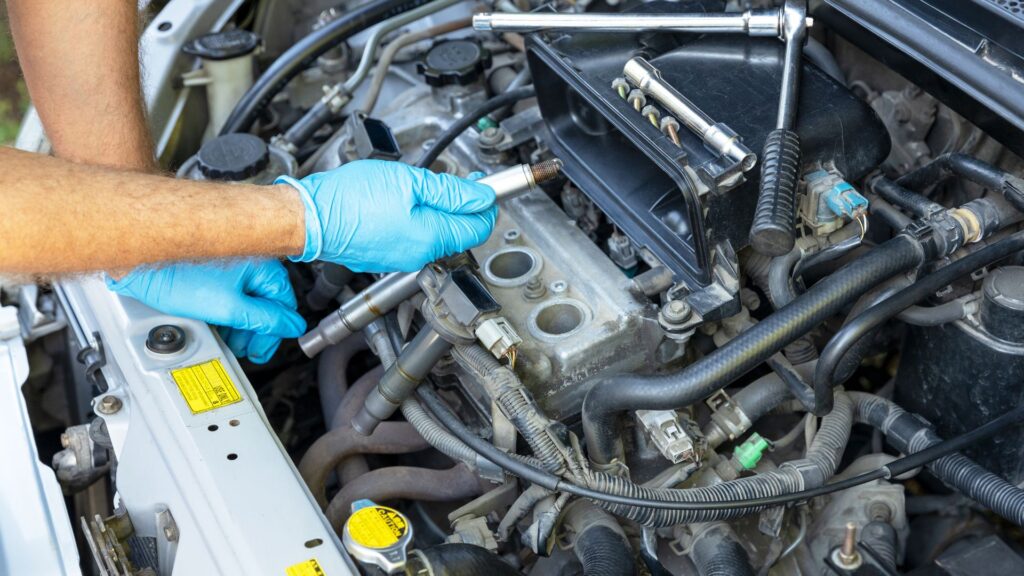
Cylinder Misfire: Causes, Symptoms, And How To Fix It Fast
A cylinder misfire is one of those car problems that can sneak up on you. One moment your engine is running smoothly, and the next it’s shaking, hesitating, or struggling to accelerate. If this sounds familiar, you are not alone – and the good news is that misfires are diagnosable and fixable when you catch them early.
This guide breaks down everything you need to know about what causes a misfire, how to recognize the symptoms of a misfire, and what steps to take before it turns into something more costly.
What Is a Cylinder Misfire?
A misfire occurs when one or more cylinders fail to properly complete the combustion cycle. In simple terms, each cylinder in your engine is supposed to compress an air-fuel mixture and fire at exactly the right moment. When the spark plug ignites the mixture correctly, the piston is pushed down and the crankshaft turns – keeping your vehicle moving.
When one of your engine’s cylinders does not fire properly, that is a misfire. The engine control module – also called the engine control unit or computer – detects the problem through sensor data and stores misfire codes, which is often what triggers the Check Engine light on your dashboard.
Common Causes of an Engine Misfire
Understanding the cause of an engine misfire starts with knowing what each cylinder needs to fire correctly: the right spark, the right fuel, and the right compression. When any one of those three elements is off, you get a misfire.
Worn or Fouled Spark Plugs
Worn or fouled spark plugs are the most frequent cause. A spark plug ignites the mixture inside the cylinder, and when a plug becomes worn, cracked, or coated with carbon buildup, it loses the ability to ignite the air-fuel mixture consistently. Replacing spark plugs on a regular maintenance schedule is one of the simplest ways to prevent misfires from happening in the first place.
Faulty Ignition Coil or Coil Packs
The ignition coil transforms low battery voltage into the high-voltage spark needed to fire the spark plug. A faulty ignition coil – or a set of damaged coil packs – can cause a misfire in the specific cylinder it serves. In modern vehicles, each cylinder often has its own coil, which makes it easier to pinpoint the problem once you pull misfire codes from the on-board diagnostics system.
Clogged or Malfunctioning Fuel Injector
A clogged or malfunctioning fuel injector disrupts the precise air-fuel ratio that combustion requires. When the injector cannot deliver the right amount of fuel, that cylinder runs lean or rich, which causes an engine misfire. A dirty or failing fuel injector is a common culprit in the fuel system that gets overlooked during routine maintenance.
Vacuum Leak
A vacuum leak in the intake manifold or its gasket allows unmetered air into the engine. This throws off the air-fuel mixture and can lead to misfires, rough idle, and unstable engine performance. The intake manifold gasket, throttle body, and vacuum lines are all worth inspecting if a leak is suspected.
Sensor and Airflow Issues
A faulty mass air flow (MAF) sensor – sometimes called a mass airflow sensor – can send incorrect airflow data to the engine control module. This causes the fuel system to deliver the wrong amount of gasoline, which can cause an engine misfire under acceleration or at idle. An oxygen sensor that reads incorrectly can create similar problems by throwing off the fuel trim.
Compression and Internal Issues
Low compression in a cylinder points to deeper engine problems. Worn piston rings, a damaged valve, or a blown gasket can all reduce cylinder pressure. When compression drops too low, the air-fuel mixture cannot combust properly – and that cylinder misfires. These causes of a misfire tend to be more serious and require professional attention.
EGR Valve and Exhaust Issues
A stuck or dirty EGR valve can introduce too much exhaust gas into the intake, which dilutes the air-fuel mixture. Misfires can occur as a result, particularly at low RPMs when the engine is idling. Left unaddressed, exhaust-related misfires can damage the catalytic converter over time.
Symptoms of a Misfire You Should Not Ignore
Recognizing when your engine is misfiring early can save you from much bigger repair bills.
Here is what to watch for:
- Rough idle – the engine stumbles or shakes when sitting still
- Hesitation when you accelerate – the car feels sluggish or jerks during acceleration
- Loss of power – the vehicle struggles on the highway or under load
- Poor fuel economy – a misfiring engine burns more fuel to compensate
- Check engine light – misfire codes typically trigger this warning
- Engine knocking or backfire – unusual noise from the engine bay or exhaust system
- Unusual exhaust smell – unburned fuel passing through the exhaust
A misfire can feel subtle at first, especially at low speeds. But ignoring a misfire can lead to serious engine damage over time.
Why Driving With a Misfire Is a Bad Idea
Driving with a misfire might seem manageable if the car still moves, but it is not a risk worth taking. A misfire can cause serious wear on surrounding engine components. Unburned fuel can wash oil from cylinder walls, damaging piston rings and valve seats. It can also damage the catalytic converter by flooding it with raw gasoline.
If left unaddressed, engine problems can escalate quickly – what starts as a simple ignition issue can turn into internal engine damage that costs thousands to repair. The sooner you address it, the better.
Engine Misfire Diagnosis: What the Process Looks Like
Proper engine diagnostics start with connecting a scan tool to the vehicle’s on-board diagnostics port. The data pulled from this process reveals which cylinder is misfiring and how often. A trained technician will then inspect the ignition system, fuel injectors, sensor readings, compression, and airflow to narrow down the potential causes.
At Don & Joe’s Auto Service in Henry County, IN, ASE-certified technicians use state-of-the-art engine diagnostics equipment to diagnose and repair misfires accurately – without guessing.
With over 40 years of experience, the team knows how to fix an engine misfire the right way the first time.
Conclusion
A cylinder misfire is not something to put off. Whether the culprit is a spark plug, an ignition coil, a faulty fuel injector, or a vacuum leak, catching it early keeps repair costs manageable and protects your engine long-term. If your check engine light is on or your car is running rough, bring it into Don & Joe’s Auto Service in Henry County, IN. Call 765-529-3555 to schedule your engine diagnostics today.