

Coolant Reservoir Bubbling: What It Means and How to Fix It Fast
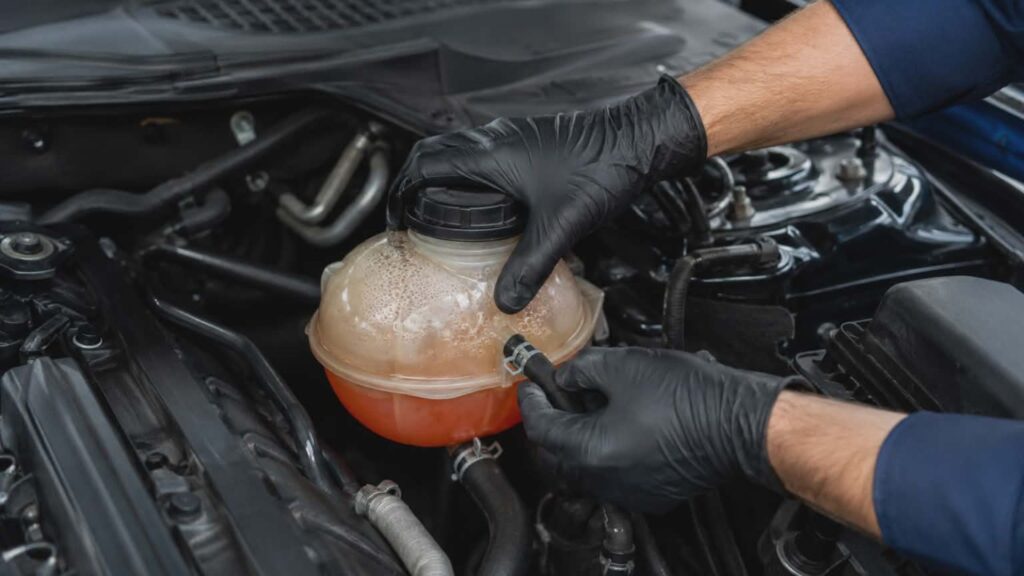
You glance under the hood and notice something odd. The coolant reservoir is bubbling like a pot of soup on the stove. It looks alarming, and honestly, it should get your attention right away.
Coolant reservoir bubbling is not something you want to ignore. It is often a sign that something is wrong inside your engine, your cooling system, or both. The good news is that catching it early can save you from a much bigger, more expensive problem down the road.
What Does a Bubbling Coolant Reservoir Actually Mean?
The coolant in your vehicle is designed to absorb heat from the engine and carry it away through the radiator. Under normal conditions, this is a smooth, pressurized process. When you see bubbles in the coolant reservoir, it usually means that process has been disrupted.
There are a few different things that can cause bubbles to appear. Some are minor. Others are serious. Understanding the difference matters a lot before you decide what to do next.
Air in the Cooling System
One of the most common causes of bubbling is trapped air. When air gets into the cooling system, it creates air pockets that do not flow like liquid. As coolant circulates and heats up, these pockets can cause gurgling or bubbling sounds and visible activity in the overflow tank.
Air in the cooling system can get in after a coolant change, after cooling system work has been done, or if the coolant level has been allowed to run low. In many cases, you can bleed the system to remove trapped air and the bubbling stops shortly after.
A Failing or Stuck Thermostat
The thermostat controls when coolant flows from the engine to the radiator. When it works correctly, the thermostat opens once the engine reaches operating temperature, allowing hot coolant to circulate and cool down.
If the thermostat sticks closed, coolant cannot move freely. Heat builds up rapidly, and the coolant may begin to boil locally before it ever reaches the radiator. This can cause bubbling in the reservoir and cause your temperature gauge to climb quickly. Replacing the radiator and thermostat together is sometimes the right call when one component has already been under excessive stress.
A Faulty Radiator Cap
It sounds simple, but a worn-out radiator cap can cause real problems. The rad cap is responsible for maintaining the right system pressure inside the cooling system. If it fails, pressure drops, which lowers the boiling point of the coolant and can cause it to boil even at normal operating temperatures.
A new cap is one of the cheapest fixes in automotive repair. If you have not had your pressure cap inspected recently, it is worth having a mechanic check it before assuming the worst.
A Blown Head Gasket
This is the big one. A blown head gasket is one of the most serious causes of coolant bubbling.
The head gasket sits between the cylinder head and the engine block, sealing off coolant passages from the combustion chamber.
When head gasket failure occurs, combustion gas can enter the cooling system. These exhaust gases create bubbles in the coolant that are very different from simple air bubbles. This is sometimes described as exhaust gas leaking into the coolant, and it is a sign of significant internal engine damage.
How do you know if it is a head gasket problem? Here are the warning signs to watch for:
- Bubbles in the coolant reservoir that appear quickly after you start the car
- White smoke coming from the exhaust
- Coolant loss with no visible coolant on the ground
- The engine overheating repeatedly even after topping up the coolant level
- Oil that looks milky or has a frothy appearance
- A sweet smell coming from the exhaust
If you see several of these together, a blown head gasket is very likely the culprit.
How Combustion Gases Cause Bubbling
To understand the problem clearly, it helps to think about how an internal combustion engine works. The combustion chamber is where fuel and air mix and ignite. This process produces enormous heat and pressure inside each cylinder.
The head gasket acts as a barrier between the combustion chamber and the coolant passages.
When there is a leak in the head gasket, combustion gas pushes through that breach and enters the cooling system. These combustion gases bubble up through the hot coolant, causing visible bubbling and overheating.
A cracked cylinder head or a cracked block can cause the same effect. Coolant boiling under these conditions is a sign of serious internal damage that will only get worse with driving.
How to Diagnose Coolant Reservoir Bubbling
Before throwing parts at the problem, you need to know what you are actually dealing with. Here is a basic approach to diagnosing bubbling in the reservoir.
- Check the basics first. Check the coolant level, look for coolant on the ground nearby, and check for white smoke from the exhaust. These three quick checks can give you a lot of information before you dig deeper.
- Inspect the radiator cap. Remove the coolant cap only when the engine is cold. Inspect the seal and the spring tension. A weak or cracked cap should be replaced with a new cap right away.
- Watch the reservoir when the engine is running. Start the car and let it warm up. As the thermostat opens, watch the overflow tank carefully. If bubbles start appearing rapidly, especially before the engine reaches full operating temp, that points toward a head gasket issue rather than simple trapped air.
- Use a combustion leak tester. A chemical test kit can detect combustion gas in the coolant. The tester uses a fluid that changes color if exhaust gases are present in the coolant. This is one of the most reliable ways to confirm or rule out a head gasket leak without tearing the engine apart.
- Request a pressure test. A pressure test performed by a professional can reveal leaks that are not visible to the eye. If there is a gas leak or a coolant leak internally, a pressure test will often catch it. This is a standard diagnostic step at a shop like Don and Joe’s Auto Service.
What Happens If You Ignore It?
Continuing to drive while bubbling occurs in your cooling system is a risk you should not take lightly. Here is what can happen if the underlying issue goes unaddressed.
A failing thermostat or low coolant can cause the engine to overheat. Repeated engine overheating warps cylinder heads, damages gaskets, and can ultimately destroy an engine block. What might have been a simple thermostat replacement can turn into a complete engine rebuild if ignored long enough.
If there is already a head gasket failure, continuing to drive forces more combustion gas into the coolant system and pushes more hot coolant into places it does not belong – including the heater core. Coolant mixing with oil accelerates wear throughout the engine, leading to far more damage than just gasket failure.
How to Fix Coolant Reservoir Bubbling
The fix depends entirely on what is causing the problem. Here is a straightforward breakdown.
- Trapped air – Bleed the system following the correct procedure for your vehicle. Top up the coolant with the right mixture of antifreeze and water, run the engine, and monitor whether bubbles stop appearing.
- Faulty thermostat – Replace the thermostat and thermostat housing if needed. This is a relatively affordable repair and a good preventive measure if your vehicle has high mileage.
- Bad radiator cap – Replace with a new radiator cap rated for your vehicle’s system pressure. This is the easiest and least expensive fix on the list.
- Water pump failure – A water pump that is not circulating coolant properly can cause overheating and bubbling. Replacing the water pump restores proper coolant flow through the engine.
- Blown head gasket – This requires professional repair. A head gasket replacement is labor-intensive and needs to be done correctly to prevent the problem from recurring. If there is also a cracked cylinder head, that component may need to be resurfaced or replaced as well.
- New radiator – If the radiator itself is cracked, corroded, or blocked, it may need to be replaced to restore proper cooling. A car coolant system can only function properly when all components are in good working order.
When to Call a Professional
Some repairs, like swapping a coolant cap or bleeding air from the radiator, are things a handy car owner can handle. But if you suspect a blown head gasket, a cracked block, or any issue involving internal engine components, you need a professional.
At Don and Joe’s Auto Service in Henry County, IN, the ASE-certified technicians have been diagnosing and repairing cooling system problems since 1977. They use state-of-the-art diagnostic technology to perform accurate leak test procedures and pressure test evaluations. If you see bubbling and overheating, or just want someone knowledgeable to check for exhaust gases in your coolant, they are the team to call.
You can reach Don and Joe’s Auto Service at 765-529-3555 to learn more about their heating and cooling services.
Frequently Asked Questions
Is it normal to see a little bubbling in the coolant reservoir?
A small amount of movement when the thermostat opens can be normal. However, vigorous or persistent bubbling is a warning sign and should be checked out by a professional.
Can I drive with a bubbling coolant reservoir?
It depends on the cause. If it is just air in the cooling system, short-term driving may be okay. But if the engine is running hot or you suspect a head gasket issue, stop driving and have it inspected immediately.
How much does it cost to fix a blown head gasket?
Head gasket replacement is one of the more expensive repairs in automotive service due to the labor involved. Costs vary based on the vehicle, but catching the problem early – before additional damage occurs – keeps the total repair cost lower.
What does a combustion leak tester do?
A combustion leak tester uses a chemical solution to detect combustion gas in the coolant. If the test fluid changes color, it confirms that exhaust gases are entering the cooling system, which points directly to a head gasket or other gasket issue.
Conclusion
Coolant reservoir bubbling is your engine’s way of telling you something is not right. Whether it is a simple air pocket, a stuck thermostat, or a more serious blown head gasket, the problem will not fix itself.
The sooner you get it diagnosed, the better your chances of avoiding a costly repair. If you are in Henry County, IN, and need a trusted team to take a look, Don and Joe’s Auto Service has the experience and tools to get to the bottom of it fast. Call 765-529-3555 or visit their website to schedule your inspection today.