

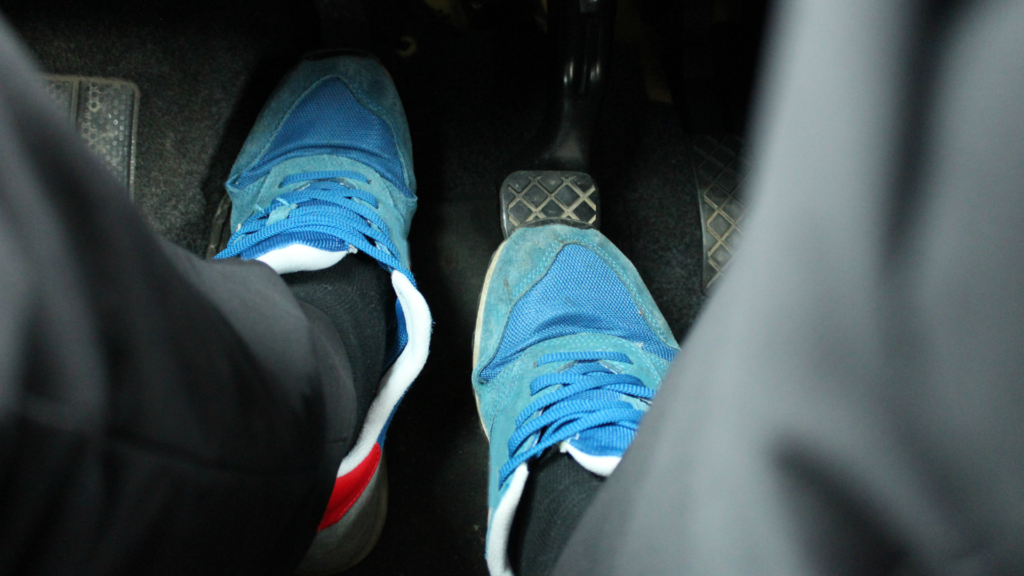
Why Your Spongy Brake Pedal Is a Red Flag - and How to Fix It Fast
There are few things more unsettling than pressing your brake pedal and feeling it sink toward the floor like a wet sponge. If your car’s brakes feel soft, mushy, or unresponsive, that is not a quirk you should ignore. It is a warning sign that something in your braking system needs attention – and fast.
What Does a Spongy Brake Pedal Actually Mean?
Your vehicle’s braking system relies on pressure. When you press the pedal, brake fluid transfers force from the master cylinder through hoses and lines to the disc brakes or drum brakes at each wheel. That system only works correctly when it is sealed and pressurized.
A spongy pedal usually means that pressure is escaping somewhere it should not, or that something is compromising the fluid’s ability to carry that force efficiently.
Common Causes of a Soft or Spongy Brake Pedal
Air in the Brake Lines
This is the most common culprit. Unlike brake fluid, air is compressible. When air enters the brake lines – often after a repair or a leak – the pedal loses its firm feel. Instead of transmitting clean pressure to the caliper piston or wheel cylinder, your foot pushes against a pocket of air that simply compresses rather than doing its job.
Low or Contaminated Brake Fluid
Brake fluid absorbs moisture over time. When water mixes into the fluid, it lowers the boiling point and can cause the fluid to behave unpredictably under pressure. A low fluid level may also point to a leak somewhere in the system – around a hose, the master cylinder, or even at the caliper itself.
A Failing Master Cylinder
The master cylinder is the heart of your brake system. It converts the force from your foot into hydraulic pressure. When the internal seals inside the cylinder wear out, fluid bypasses them instead of building pressure, and your pedal goes soft. This is a repair that should not be delayed.
Worn Brake Pads or Shoes
Severely worn brake pads or drum brake shoes can cause the piston to extend further than it should, which can make the pedal feel lower and softer than normal. Rust on rotors or drums can also create uneven contact and contribute to a spongy feeling.
A Compromised Vacuum Servo
The vacuum servo (also called a brake booster) amplifies the force you apply to the pedal. If it develops a leak or loses vacuum pressure, your brakes will feel much harder to press – but a partially failing vacuum servo can also contribute to inconsistent pedal feel.
Why You Should Not Wait on This Repair
A spongy brake pedal is not a “keep an eye on it” problem. Brakes are your car’s most critical safety system. If the pedal fails to build pressure when you need it most – at a stop sign, in traffic, or in an emergency – the consequences can be severe.
If your brake fluid is leaking or your master cylinder is failing, the situation can deteriorate quickly. Every mile you drive with a compromised brake system is a risk that is not worth taking.
How the Problem Gets Fixed
Diagnosing a spongy pedal starts with a thorough inspection of the entire brake system. A technician will check the fluid level and condition, inspect the hoses and lines for leaks, examine the master cylinder, and assess the brake pads, shoes, and rotors for wear or rust.
From there, the fix might involve bleeding the brake lines to remove air, replacing worn brake pads or shoes, repairing or replacing a leaking hose, or installing a new master cylinder. In some cases, it is a straightforward job. In others, multiple components need attention at once.
Get Your Brakes Checked by Professionals You Can Trust
At Don & Joe’s Auto Service in New Castle, IN, the team has been diagnosing and repairing brake systems since 1977. Their ASE-certified technicians use state-of-the-art diagnostic tools to find the real source of the problem – not just the obvious one.
Don’t Ignore a Spongy Brake Pedal
A spongy brake pedal is your vehicle telling you something is wrong with one of its most important systems. Whether it is air in the lines, a failing master cylinder, or worn brake pads, the fix starts with an honest, accurate diagnosis. Do not wait until the pedal hits the floor.
Schedule a suspension and brake service with Don & Joe’s Auto Service today, or call 765-529-3555 to get your brakes inspected by technicians who have earned the community’s trust for over four decades.