

How Often to Change Brake Fluid: Stay Safe with This Simple Guide
Your brakes are one of the most important safety systems on your vehicle, but many drivers aren’t sure how often the brake fluid needs attention. It’s an easy detail to overlook, especially when compared to something like an oil change. But make no mistake: your brake fluid plays a critical role in how well your car stops.
Let’s walk through what brake fluid is, why it matters, and most importantly, how often to change it to keep your brake system safe and reliable.
What Is Brake Fluid and Why Does It Matter?
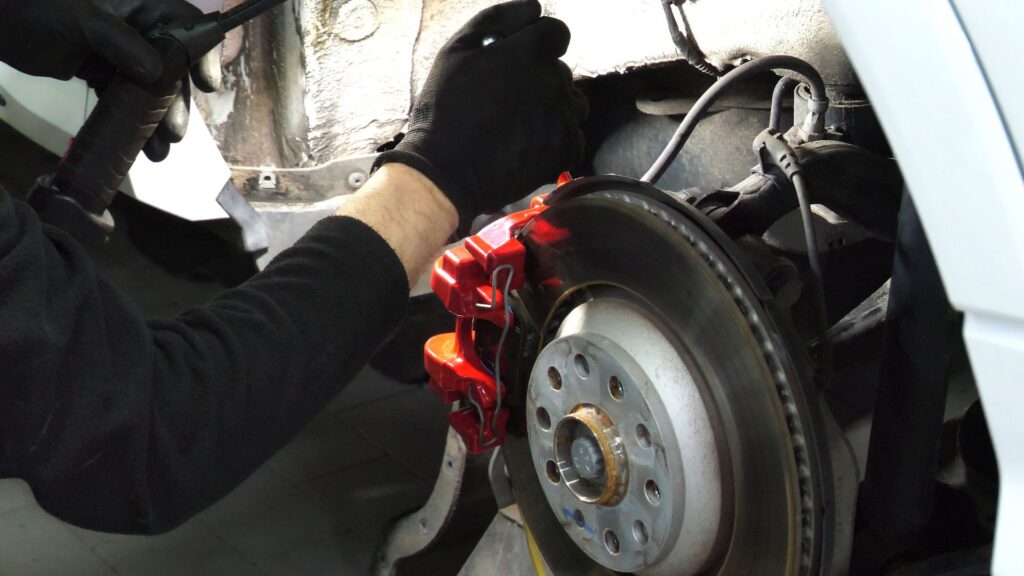
Brake fluid is a hydraulic fluid that operates under pressure inside your brake system. When you press your brake pedal, the fluid transfers that pressure through the brake lines to the brake calipers, which push the brake pads against the disc brake rotors. This action slows down your wheels and stops your vehicle.
In short: no brake fluid, no brakes.
But here’s the catch, brake fluid is hygroscopic, meaning it absorbs moisture from the air over time, even in a sealed system. Too much water content in the fluid can lead to several serious issues:
- Reduced boiling point, especially during heavy brake work, where heat builds up
- Internal rust and corrosion of key brake parts
- Decreased braking performance o,r in rare cases, total brake failure
So even though your brake fluid may be “out of sight, out of mind,” it’s critical to change the fluid at the right intervals.
How Often to Change Your Brake Fluid
The big question: how often should you really change the brake fluid?
Follow the Manufacturer’s Recommendations
The best place to start is always your owner’s manual. Every type of vehicle has slightly different requirements depending on the design of the hydraulic brake system and the type of brake fluid used. Basic guidelines vary:
- Every 2 years or every 20,000 to 45,000 miles is a common recommendation
- Some cars may advise a brake fluid change every 3 years, regardless of mileage
- A few performance vehicles or cars with ABS modules suggest a fluid flush sooner
If your year-old car has never changed its brake fluid, now’s a good time to check it.
The Real World Answer: Change the Brake Fluid Every 2 to 3 Years
As a general rule, we recommend you change your brake fluid every 2 to 3 years for most vehicles in the Henry County, IN area. This schedule helps keep the moisture content low, preventing damage to the master cylinder, calipers, brake lines, and reservoir.
You may also need to replace your brake fluid more often if:
- You drive in high humidity
- You regularly haul heavy loads or tow trailers
- Your brake pedal feels soft or spongy
- Your mechanic finds fluid contaminated or dark
Signs You Need to Change Your Brake Fluid
You shouldn’t wait for a warning light to signal a problem. Most brake fluid reservoirs don’t trigger a dashboard alert when the fluid is pretty old or moisture-heavy. Here are some signs you need to change your brake fluid:
- Soft or “mushy” brake pedal
- Braking feels less responsive
- Visible dirt or discoloration in the fluid when checking the reservoir
- Low fluid level in the brake fluid reservoir
- You’ve had brake work recently or changed the brake pads
If you’re unsure, a shop can test the moisture content using test strips or an electronic tester to confirm if the fluid should be changed.
What Happens If You Don’t Replace Brake Fluid?
Skipping brake fluid service doesn’t cause instant failure, but it can lead to long-term issues, like:
- Internal corrosion in the hydraulic system
- Damaged pistons in the caliper
- Leaking seals made from natural rubber
- Reduced stopping power as moisture lowers the boiling point of the fluid
- Costly damage to sensitive parts like ABS modules due to fluid contaminated by water or copper buildup
Remember, fluid is cheap. Replacing brake parts due to neglect is not.
Is It Really Necessary to Change Brake Fluid?
Yes, it is really necessary. While you may not hear about it as often as an oil change, keeping fresh brake fluid in your system is just as essential.
Because brake fluid absorbs moisture over time (since brake fluid is hygroscopic), flushed fluid keeps components clean, responsive, and long-lasting. Many drivers in Henry County are surprised to learn how many problems can be traced back to old brake fluid.
How Mechanics Change the Brake Fluid
Changing your brake fluid shouldn’t be a DIY job unless you’re confident with your manual skills and tools like a bleeder valve. It involves:
- Accessing the fluid in the master cylinder reservoir
- Attaching a bleeder to each brake caliper
- Draining old fluid while adding new brake fluid to keep air out of the system
- Ensuring all air is removed for proper pressure balance
- Checking for leaks in all brake lines
A full system flush requires special care, especially if your vehicle has anti-lock braking systems (ABS) or dual front and rear disc brakes. It’s best left to professional technicians.
Need help? Our expert team at Don & Joe’s can guide you. Check out our full suspension and brake repair services for top-notch support.
Common Questions We Get Asked
Is There a Simple Way to Test My Brake Fluid?
Yes. A trained mechanic can use test strips or a brake fluid tester to measure moisture content and copper levels, which indicate internal wear. If the fluid is contaminated, it needs to be changed.
What Type of Brake Fluid Does My Car Use?
Different cars use different blends, like DOT 3, DOT 4, or DOT 5.1. Always consult your owner’s manual or follow OEM (original equipment manufacturer) guidelines.
Can I Wait Until 100k Miles?
Waiting until 100k miles isn’t recommended, even if the fluid “looks clean.” Moisture buildup happens over time. If your brake fluid hasn’t been changed every few years, you could be risking brake failure, especially under hard braking.
Replace Brake Fluid Without the Hassle
If you’re not sure how often to replace brake fluid, or if you’re past your recommended change interval, it’s worth getting the system checked. Fortunately, brake fluid service is convenient, affordable, and helps avoid big repairs down the road.
Whether it’s been every couple of years since your last fluid change, or you’ve just had some brake work, a quick check might save a serious headache later.
Final Thoughts: Keep Brakes Sharp and Safe
Your brake system is too important to ignore. If you’ve been wondering how often you need to change your brake fluid, aim for every 2-3 years, depending on your maintenance schedule, how you drive, and your type of vehicle.
For drivers in Henry County, IN, Don & Joe’s is here to help with honest advice and expert service.
Don’t wait until your brake pedal feels soft or failure strikes. If you’re unsure, stop by and let our experienced team take a look at your brake fluid and get you safely back on the road.
Want to learn more about caring for your vehicle? Follow our blog for more simple, smart car maintenance tips. Call us now.