

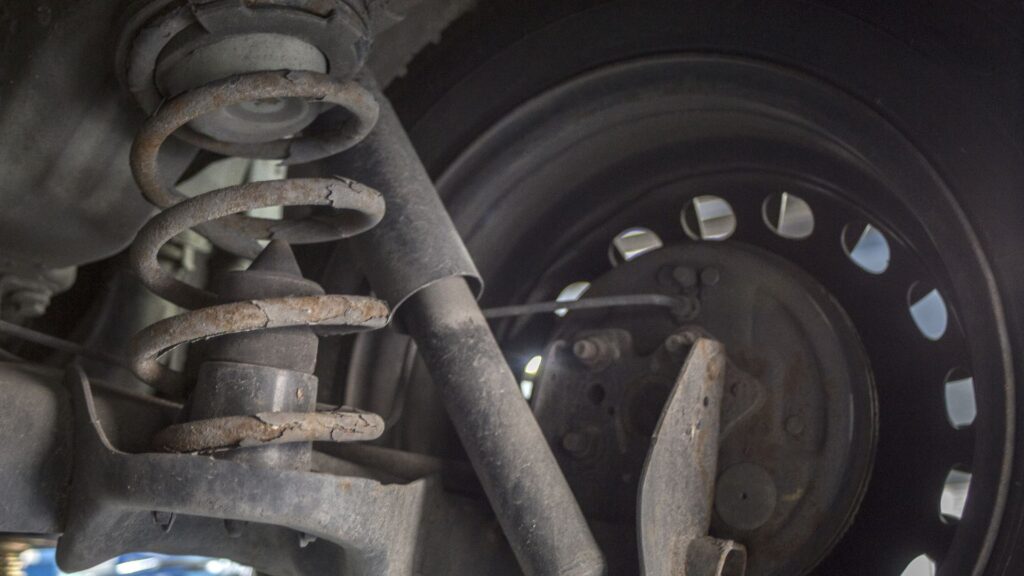
7 Signs Of Bad Shocks You Shouldn’t Ignore Before They Wreck Your Ride
Your car is supposed to feel stable, predictable, and safe. If it suddenly feels loose, bouncy, or harder to control, the problem might not be your tires or brakes. It could be your shocks and struts.
Many drivers in Henry County, IN, overlook the signs of bad shocks because the symptoms show up gradually. But worn-out shocks and struts affect everything from tire wear to braking distance. Ignoring the warning signs early can turn a manageable repair into a bigger, more expensive problem.
Let’s walk through what to watch for and why it matters.
Why Shocks and Struts Matter More Than You Think
Your car suspension is responsible for keeping your vehicle stable and your tires in proper contact with the road. Each shock absorber and strut controls how your car responds to bumps in the road, speed changes, and turning.
Shocks help keep your tires pressed firmly against the surface. They absorb the impact from bumps, a pothole, or even a speed bump, so your car does not keep bouncing down the road.
Over time, shocks wear due to normal wear and tear. Inside each unit is hydraulic fluid that moves through valves to absorb motion. When a shock loses its ability to control that motion, your entire car’s suspension system suffers.
Here are seven clear bad shock symptoms you should not ignore.
Your Car Keeps Bouncing After You Hit a bump.
This is one of the most common signs your shocks are in trouble.
When you hit a bump, your vehicle should settle quickly. If your car bounces two or three times afterward, that is a classic sign of worn shocks. It usually means the hydraulic system inside the shock cannot control the motion anymore.
If your car feels like it’s bouncing more than usual or keeps floating after going over bumps, pay attention. That extra bounce is not just annoying. It affects automobile handling and cannot keep your tires steady during driving at normal speed.
The Front of Your Car Dips When You Hit the brakes.
Have you noticed the front of your car dip aggressively when you hit the brakes?
A good shock helps distribute weight evenly when slowing down. If the nose dives forward, it usually means your front shocks are struggling. When shocks are worn, braking distance can increase, even with a properly working anti-lock braking system.
This could mean your shocks are not controlling the weight transfer properly. Over time, that extra strain can affect your brake components as well.
Uneven or Unusual Tire Wear
Take a look at your tires. Do you see uneven tire wear or unusual tire wear patterns?
When worn shocks and struts fail to help keep your tires in contact with the road, the tire can develop a pattern called cupping. Cupping looks like small dips or scallops around the tire surface. This kind of tire wear happens because the wheel is bouncing instead of staying planted.
Replacing worn suspension parts can help keep your tires in proper contact and protect your investment in new tires. If you recently installed new tires but are still seeing uneven tire wear, you may need new shocks.
Oily Spots or Leaking Fluid On the Shocks
A visual inspection can reveal a lot.
If you see oily spots on the shocks or notice leaking fluid running down the side of the unit, that is a major sign of bad shock failure. Shocks may leak when internal seals break down. You might even see oily spots on the driveway near the wheel.
When that hydraulic fluid leaks out, the shock loses its ability to control movement. If you see oily spots or suspect a leak, the component is likely due for replacement.
Your Car Leans or Feels Unstable in Turns
Does your car lean more than it used to? Does it feel like it’s drifting during turns?
When your strut, shock, or strut assembly fails, the car leans excessively while steering. This affects overall automobile handling and can make driving at highway speed uncomfortable or even risky.
A vehicle with bad shocks and struts may feel loose or unstable in curves. That instability reduces proper contact with the road and affects how safely you can steer.
Excessive Vibration or Clunking Noise
A strange noise from underneath your car can also point to a problem. If there’s rattling or clunking while going over bumps, worn shocks or struts are often to blame. Struts are worn when their internal components no longer hold tight under the vehicle’s weight.
You might also feel vibration through the steering wheel. This happens because the suspension system can’t keep your tires steady on the road.
Your Ride Feels Rougher Than Normal
Sometimes the biggest sign of bad suspension is simply how the car feels.
If your car feels like it’s rough, harsh, or bouncing more than usual on everyday roads, that is not normal. A good shock is designed to make your ride safe and smooth.
When shocks are bad, every bump in the road becomes more noticeable. Over time, worn shocks and struts place extra stress on the car’s suspension and other parts, which can impact comfort and even fuel economy in automobiles due to inefficient driving conditions.
What Happens If You Ignore Bad Shocks?
Driving with worn shocks isn’t just about comfort – it’s about safety.
When your shocks are in good condition, they help keep your tires firmly planted. When they go bad, the car can’t keep its tires stable during sudden stops, turns, or emergency maneuvers.
If your car bounces excessively or the rear shocks fail to stabilize the back end, stopping distances increase. That is especially concerning during sudden braking situations on wet roads in Henry County, IN.
Over time, worn shocks or struts can also damage other parts of your car’s suspension system.
That leads to more expensive repairs down the road and potentially needing to replace additional components instead of just replacing worn shocks.
How Often Should You Replace Your Shocks?
There is no one-size-fits-all number, but many vehicles need to replace shocks between 50,000 and 100,000 miles, depending on driving habits. Frequent travel over rough roads, hauling heavy weights in a truck, or hitting a pothole hard can shorten that lifespan.
If you are unsure whether your shocks are worn, a skilled mechanic can inspect your car’s suspension quickly. At Don and Joe’s Auto Service in Henry County, IN, we evaluate worn shocks and struts as part of our suspension and brake repair services.
If the issue extends beyond suspension components, our comprehensive auto repair services and advanced computer diagnostics services can pinpoint the problem accurately. We also recommend routine inspections through our preventative maintenance services to catch these signs early.
Final Thoughts On Protecting Your Ride
The signs of a bad suspension system are not always dramatic at first. A little extra bounce, some unusual tire wear, or a small leak might seem minor. But those issues can quickly affect braking, steering, and overall vehicle control.
If you notice any of these signs early, do not wait until your car feels unsafe. Get your shocks inspected by a trusted local expert. Don and Joe’s Auto Service has helped drivers in Henry County, IN, stay safe on the road for decades. If something feels off, let us take a look and keep your ride safe and smooth. Reach out today.