
What Can Damage a Car Engine? 12 Common Mistakes Drivers Should Avoid
Your engine is the heart of your vehicle. When it runs well, you barely think about it. But when something goes wrong, you feel it immediately, and so does your wallet. Understanding what causes engine damage can save you from costly repairs down the road and keep your car running the way it should.
Here are 12 mistakes that drivers in Henry County, IN, and beyond make far too often.
Skipping Oil Changes
Engine oil keeps the moving parts of the engine from grinding against each other. When you skip oil changes, old motor oil breaks down and loses its ability to lubricate properly. Without proper lubrication, metal parts create friction and heat that wear down engine components at an alarming rate. Low oil levels or dirty oil in the engine are among the most common causes of preventable engine failure.
Ignoring Dashboard Warning Lights
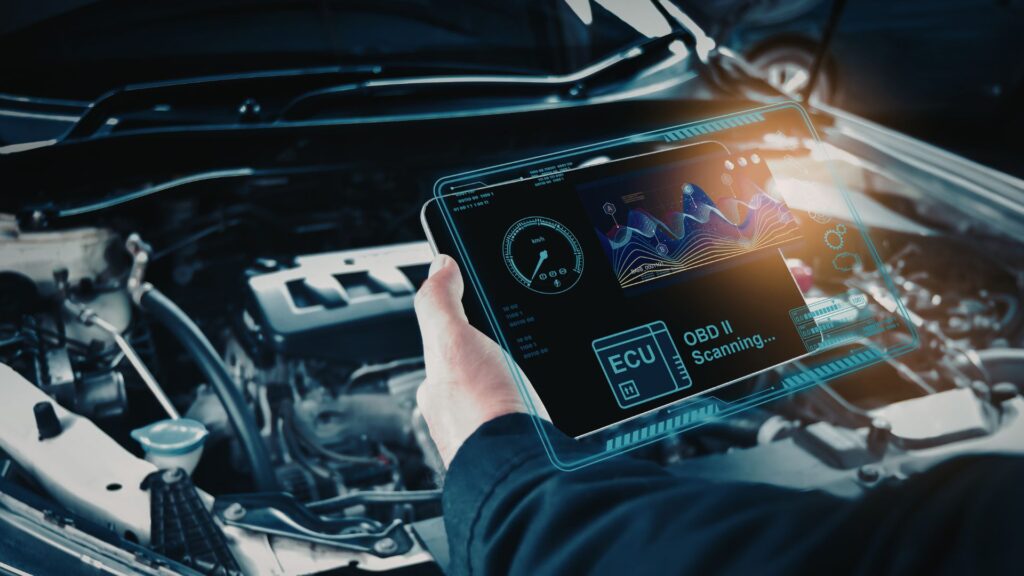
Your car is constantly talking to you through its dashboard warning lights. The check engine light, in particular, is not something to dismiss. Modern cars use sensors and advanced computer diagnostics testing to flag problems early before they become major repairs. Ignoring these signals can turn a small issue into a very expensive one.
Letting the Engine Overheat
Overheating is one of the fastest ways to destroy the engine. When the cooling system fails or coolant runs low, temperatures inside the engine climb to dangerous levels. A blown head gasket, warped cylinder walls, or a cracked engine block can all result from sustained overheating. If you see the temperature gauge climbing, pull over safely. Do not keep driving.
Running Low on Coolant
Coolant, sometimes called antifreeze, keeps your engine from running too hot. A coolant leak may seem minor, but over time, it can cause overheating that leads to a blown head gasket or worse. Checking coolant levels regularly and scheduling automotive heating and cooling system repair at the first sign of trouble is a smart move for any driver.
Neglecting the Timing Belt or Timing Chain
The timing belt (or timing chain in some vehicles) keeps the engine’s internal components synchronized. When it snaps, the results can be catastrophic, especially in an interference engine, where the piston and valve can collide. Replacement is far cheaper than dealing with a bent valve, damaged piston, or crushed engine components after a belt failure. Most manufacturers recommend changing it between 60,000 and 100,000 miles.
Driving with a Leaking Head Gasket
The head gasket seals the combustion chamber and separates coolant and oil passages. When the gasket fails, coolant or oil can leak into places they should never be. A blown head gasket can allow coolant to mix with oil, reducing lubrication and causing serious damage to the engine over time. If you notice white smoke from the exhaust or a sweet smell near your hood, get it checked immediately.
Ignoring an Oil Leak
An oil leak left unchecked is a ticking clock. As oil drips away, the oil levels drop, leaving engine parts without adequate lubrication. Eventually, the engine may seize completely. Puddles under your car, burning smells, or smoke from under the hood are all signs of a leak that needs attention right away.
Using the Wrong Fuel or Contaminated Gas
Putting the wrong type of fuel in your gas tank, or running contaminated gasoline, can cause significant damage to fuel injectors, the fuel pump, and other internal components. Water or debris in the fuel tank can clog the fuel filter, disrupt the combustion process, and lead to reduced fuel efficiency or engine misfire. If you suspect contaminated fuel, do not continue driving.
Flooding the Engine with Water
Driving through deep water might seem harmless, but it can hydrolock your engine. When water enters the intake and reaches the cylinder, the piston cannot compress liquid the way it compresses air. This can bend connecting rods or crack the engine block instantly. If your car stalls in water, do not attempt to restart it. Have it towed immediately to avoid making the situation worse.
Neglecting the Fuel Filter
A clogged fuel filter restricts the flow of gasoline to the engine, causing poor fuel economy and forcing the fuel pump to work harder than it should. Over time, this can damage the engine’s ability to maintain proper combustion and put extra strain on multiple engine parts. Replacing the fuel filter on schedule is a simple part of routine preventative maintenance that many drivers overlook.
Ignoring Strange Noises or a Misfire
Knocking, ticking, or a noticeable engine misfire are signals that something inside the engine is wrong. These symptoms can point to anything from a failing injector to worn piston rings or low oil pressure. Modern engines are designed with tolerances that leave little room for error – catching problems early through complete auto repair services prevents small issues from escalating into catastrophic ones.
Poor Driving Habits
Aggressive acceleration, hard braking, and consistently redlining the engine put extra wear and tear on engine components. Bad driving habits can wear down critical parts over time in ways that are easy to miss until the damage is already done. Combine that with skipped maintenance and corrosion from road conditions, and you have a recipe for expensive repairs that could have been avoided.
Protect Your Engine Before It Is Too Late
Staying on top of maintenance is the best way to protect your investment. If you notice any of these warning signs, the team at Don and Joe’s Auto Service in Henry County, IN, is ready to help. From professional engine repair services to full diagnostics, the certified technicians have been keeping engines running strong since 1977.
Call 765-529-3555 or visit Don & Joe’s Auto Service to schedule your appointment and prevent costly repairs before they become engine damage you cannot ignore.