

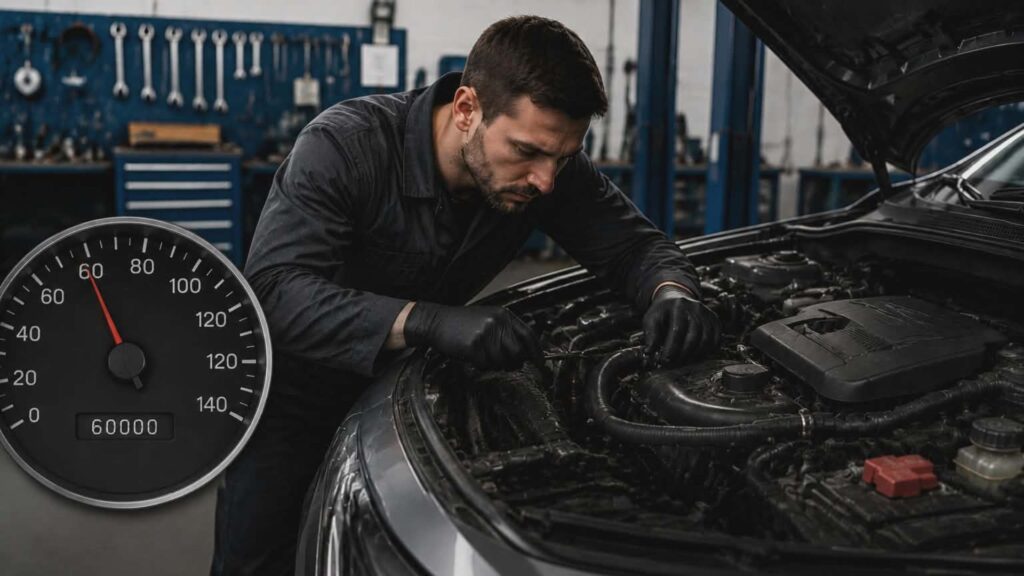
Car Maintenance By Mileage: A Smart Schedule To Keep Your Ride Reliable
Most drivers know they’re supposed to take care of their car. But when it comes to the actual details – what to do, when to do it, and why it matters – things get fuzzy fast. That’s where a mileage-based maintenance approach makes life a whole lot simpler.
Instead of guessing or waiting for something to go wrong, you follow a car maintenance schedule tied to your odometer. It takes the mystery out of ownership and keeps small problems from turning into expensive ones.
Why Scheduling Car Maintenance By Mileage Makes Sense
Time-based reminders have their place, but your car ages in miles, not months. A vehicle that sits in a garage and a vehicle that racks up highway miles every week have very different maintenance needs – even if they’re the same make, model, and year.
Tracking maintenance by mileage gives you a consistent, logical framework. It reflects actual wear and tear on your engine, transmission, brakes, tires, and other components. And when you follow it consistently, you protect vehicle longevity and avoid costly breakdowns.
The 30-60-90 Schedule Explained
Many car manufacturers recommend what’s commonly called the 30-60-90 schedule. This group differentiates maintenance tasks around three major mileage milestones: 30,000 miles, 60,000 miles, and 90,000 miles. Think of each one as a service checkpoint that becomes more thorough as your car ages.
Your owner’s manual is the best starting point for understanding what maintenance is recommended at each stage. But here’s a general breakdown of what to expect.
Around 30,000 Miles
This is your first major milestone. By now, several routine maintenance items are due for attention. Most services are recommended around this point to prevent early wear and keep your car running efficiently.
- Air filter: Dust, pollen, and debris clog the air filter over time, hurting fuel economy and engine performance. This is typically the time to replace it.
- Fuel filter: A clogged fuel filter restricts flow to the engine and can affect performance. Replacing it here keeps fuel delivery clean and consistent.
- Brake inspection: Even if your brake pads still have life left, a brake inspection at 30,000 miles helps catch any concerns before they become safety issues.
- Fluid levels: Check and top off power steering fluid, brake fluid, coolant, and windshield washer fluid. These are easy to overlook but critical for vehicle performance.
- Tire rotation: Rotate the tires to promote even wear across all four wheels.
If you haven’t been keeping up with oil changes, now is a good time to get into a consistent rhythm. Depending on driving conditions and the type of motor oil your car uses, an oil change every 3,000 to 7,500 miles is generally appropriate.
Around 60,000 Miles
The 60,000-mile mark is a significant service milestone. Your car has been through a lot, and certain components are reaching the end of their standard lifespan or need a closer look.
- Brake pads: Brake pads typically need replacement somewhere between 30,000 and 70,000 miles. At 60,000, inspect them carefully. Worn pads reduce stopping power and can damage your disc brake rotors.
- Battery: Your vehicle’s battery typically lasts three to five years. If yours is original and approaching that range, have it tested.
- Spark plugs: Worn spark plugs cause rough idling, reduced fuel economy, and poor engine performance. Replacing spark plugs at or before this point is standard recommended maintenance.
- Transmission fluid: This is a big one. Dirty or degraded transmission fluid causes friction and heat inside the transmission, leading to costly damage over time. Changing it here protects your gears.
- Belts and hoses: Inspect the serpentine belt and other belts for cracking or fraying. A snapped belt can disable your engine, power steering, or air conditioning compressor without warning.
- Suspension check: Have your struts, shocks, and steering components inspected. A worn strut affects handling, tire wear, and ride comfort.
This is also a good time to schedule a thorough inspection of your exhaust system and catalytic converter. Issues here can hurt fuel economy and lead to sensor failures down the road.
Around 90,000 Miles
Reaching 90,000 miles is worth celebrating – it means your car has been reasonably well cared for. But this milestone also calls for some of the most thorough maintenance recommended in a full service cycle.
At this stage, many of the components replaced at 30,000 miles are due again – air filter, fuel filter, spark plugs, and transmission fluid, among them. A few additional items deserve attention:
- Timing belt: Not every vehicle has one, but if yours does, replacement is critical. A broken timing belt can cause catastrophic engine damage. Check with your technician to confirm whether your car uses a belt or a timing chain.
- Coolant flush: Old coolant breaks down and can cause corrosion inside your engine and radiator. A coolant system flush at this interval is maintenance that is crucial for long-term engine health.
- Power steering system: Inspect the power steering pump and lines for leaks or wear. Replace power steering fluid if it hasn’t been done recently.
- Brake fluid: Brake fluid absorbs moisture over time, which lowers its boiling point and reduces braking effectiveness. Flushing it here is good preventive maintenance.
- Axle and drive shaft inspection: Check for wear on the axle boots and drive shaft components. Snow, salt, and road grime accelerate damage to these parts.
Don’t Overlook Driving Conditions
A car maintenance schedule based on mileage milestones is a solid foundation, but your specific driving conditions matter too. Stop-and-go traffic, extreme weather, towing, and rough roads all put more stress on your vehicle than normal highway driving. If that sounds like your daily routine, you may need to adjust your maintenance intervals and service more frequently than the standard 30-60-90 schedule suggests.
Keeping Track of Your Car Maintenance Checklist
The easiest way to stay on top of routine car maintenance is to keep a simple log of every service performed and the number of miles on your odometer at the time. This helps you anticipate what’s coming, catch anything overdue, and provides documentation that protects your warranty.
If you’re unsure where your car stands, a full vehicle inspection is a great place to start. The team at Don & Joe’s Auto Service offers routine preventative maintenance services, professional auto repair services, expert engine repair solutions, reliable transmission repair services, and suspension and brake repair services.
Every vehicle is different, but the principle of mileage-based maintenance applies to all of them. Staying proactive means fewer surprises and more miles of dependable driving.
Conclusion
Car maintenance by mileage takes the guesswork out of keeping your car in good shape. By following the 30-60-90 schedule and adjusting for your driving habits, you stay ahead of problems before they become expensive repairs. If you’re in Henry County, IN, and need a trusted partner for preventive maintenance, Don & Joe’s Auto Service has been helping drivers do exactly that since 1977. Call 765-529-3555 or visit donandjoesautoservice.com to get started.