

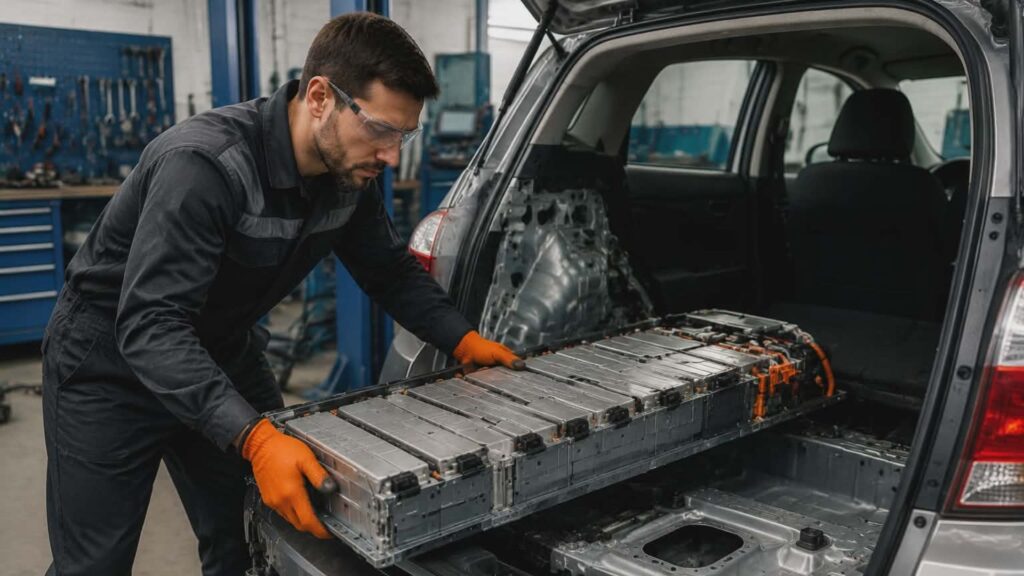
Hybrid Battery Lifespan: How Long It Lasts and How to Extend It
If you drive a hybrid vehicle, the battery is probably the one thing that keeps you up at night.
How long will it last? What happens when it goes? Is there anything you can actually do to make it last longer? These are fair questions, and you deserve straight answers.
This article breaks down everything you need to know about hybrid battery lifespan, what affects it, and practical steps you can take to get the most out of it. Whether you just bought a hybrid or you have been driving one for years, this is worth reading.
What Is a Hybrid Battery and Why Does It Matter?
A hybrid vehicle uses two power sources – a traditional internal combustion engine and a large rechargeable battery pack. That battery pack is what sets hybrids apart. It powers an electric motor that works alongside the gas engine to improve fuel efficiency and reduce emissions.
Unlike the small 12-volt battery that starts your engine, the hybrid battery is a high-voltage system, often between 100 and 300 volts, depending on the vehicle. It is a critical component, and replacing it is not cheap. That is exactly why understanding its lifespan matters so much to hybrid owners.
How Long Does a Hybrid Battery Last?
Here is the honest answer: most hybrid batteries are designed to last between 8 and 15 years, or roughly 100,000 to 150,000 miles. Some well-maintained batteries push past that range, while others start showing problems earlier.
A lot depends on the make and model of your vehicle. Toyota and Honda hybrids, for example, have earned a strong reputation for battery longevity. Many drivers report their batteries lasting well beyond the 10-year mark with proper care.
What the Manufacturers Say
Most hybrid manufacturers back their batteries with warranties that cover 8 years or 100,000 miles, whichever comes first. Some states have stricter requirements that push that warranty to 10 years or 150,000 miles. After the warranty period, you are on your own – which makes knowing how to protect it even more important.
Signs Your Hybrid Battery May Be Failing
Your vehicle will usually give you warning signs before the battery completely gives out. Watch for these common indicators:
- A noticeable drop in fuel economy
- The battery charge is fluctuating more than usual
- The internal combustion engine is running more frequently than it used to
- Warning lights on your dashboard, especially those related to the hybrid system
- Reduced power or sluggish acceleration
If you notice any of these, it is worth getting a proper inspection sooner rather than later. At Don and Joe’s Auto Service in Henry County, IN, the team uses advanced computer diagnostics to accurately assess your hybrid system and identify issues before they turn into expensive repairs.
What Affects Hybrid Battery Lifespan?
Understanding what shortens – or extends – your battery’s life helps you make smarter decisions every day. There are several key factors at play.
Temperature Extremes
Heat is one of the biggest enemies of hybrid batteries. High temperatures accelerate the chemical degradation inside the battery cells, shortening the overall lifespan. Cold temperatures are not great either – they temporarily reduce battery capacity, though they tend to cause less long-term damage than sustained heat.
Indiana winters and summers both put stress on your hybrid system. If your vehicle sits outside in extreme heat for extended periods, that heat exposure adds up over time.
Driving Habits
How you drive has a surprisingly large impact on battery health. Frequent hard accelerations and heavy braking force the battery to work harder and cycle more aggressively. Hybrid batteries are built to handle moderate charge and discharge cycles, not constant extreme demands.
Smooth, consistent driving – the kind that lets the regenerative braking system do its job properly – is genuinely better for battery longevity. You are not just saving fuel when you drive calmly, you are protecting a major investment.
State of Charge Habits
Hybrid batteries are happiest when kept in a moderate state of charge – not fully drained and not consistently overcharged. The battery management system in your vehicle handles most of this automatically, but your driving patterns influence where the charge tends to sit.
Short trips that never allow the battery to cycle properly can cause issues over time. Similarly, leaving your vehicle sitting for extended periods without driving it can degrade battery performance.
Maintenance and System Health
A hybrid battery does not operate in isolation. It is connected to your vehicle’s cooling system, electrical system, and overall powertrain health. If other components are not working correctly, the battery works harder to compensate.
Keeping up with routine vehicle maintenance – including the hybrid battery cooling system – directly supports battery longevity. Don and Joe’s Auto Service offers preventative maintenance services that keep your entire vehicle in top condition, which in turn helps protect your hybrid battery.
How to Extend Your Hybrid Battery Lifespan
The good news is that you have more control over this than most people realize. A few consistent habits can add years to your battery’s life.
Keep Up with Cooling System Maintenance
Hybrid batteries generate heat during operation, and most vehicles use an active cooling system to manage that heat. If the battery cooling fan or vent becomes clogged or stops working, heat builds up inside the battery pack and accelerates cell degradation.
Make sure the cabin air intake for the battery cooling system stays clean. In many vehicles, this vent is located in the cabin, near the rear seat or trunk area. Keeping it clear of debris is simple but often overlooked. Proper automotive heating and cooling repair extends beyond just your cabin comfort – it protects critical systems like your hybrid battery.
Avoid Extreme Temperatures When Possible
While you cannot control the weather in Henry County, IN, you can take small steps to reduce temperature exposure. Parking in a garage or shaded area during the hot summer months reduces the amount of heat the battery absorbs when the vehicle is off. In winter, a garage also helps the battery stay at a more stable temperature before you start driving.
These are small habits that make a real difference over the long term.
Drive Smoothly and Use Regenerative Braking
One of the best things about hybrid vehicles is that regenerative braking helps recharge the battery. Every time you slow down gradually, the system converts kinetic energy back into electrical energy and feeds it into the battery.
Hard stops waste that energy and put additional strain on the system. Anticipating stops and coasting before braking not only saves fuel but also actively supports battery health.
Avoid Deep Discharges and Irregular Charging Patterns
Most plug-in hybrid owners wonder whether they should always charge to 100 percent. The answer varies by vehicle, but many battery experts suggest that consistently charging to full capacity and fully depleting the battery is harder on it than keeping the charge in a moderate range.
Check your owner’s manual for recommendations specific to your vehicle. Some models include settings that let you limit the maximum charge level to protect long-term battery health.
Stay on Top of Diagnostic Checks
Hybrid battery issues rarely appear out of nowhere. They develop gradually, and early detection makes a significant difference in outcomes. Having your hybrid system professionally inspected at the first sign of reduced performance can prevent a minor issue from becoming a full battery replacement.
The team at Don and Joe’s Auto Service is equipped to run complete hybrid system diagnostics, catching problems early and giving you honest answers about what your vehicle actually needs.
How Much Does It Cost to Replace a Hybrid Battery?
This is the number most hybrid owners dread. A new hybrid battery from the dealership can cost anywhere from $2,000 to $8,000, depending on the vehicle make and model. That includes parts and labor.
Remanufactured or refurbished batteries are a more affordable alternative, often running between $1,500 and $4,000. These are used batteries that have been tested and restored, and many come with a warranty.
The best way to reduce replacement costs is to delay them for as long as possible – which is exactly what proper maintenance and smart driving habits accomplish.
Is It Worth Repairing or Replacing a Degraded Hybrid Battery?
This depends on several factors, including the age of your vehicle, the severity of the battery degradation, and how much useful life the car has left. If the vehicle is otherwise in great shape and you plan to keep driving it, a battery replacement or refurbishment often makes financial sense.
On the other hand, if the vehicle has other significant mechanical issues on top of battery problems, the calculus changes. Getting a professional assessment from a trusted shop is the right first step before committing to any repair decision.
For professional auto repair services in Henry County, IN, Don and Joe’s Auto Service can walk you through your options clearly and help you make an informed decision – without any pressure.
Hybrid Battery Maintenance: What You Should Be Doing Regularly
A lot of hybrid owners assume the battery just takes care of itself. While the vehicle’s battery management system does handle most of the work, there are maintenance steps that genuinely help.
- Schedule regular hybrid system inspections. Your hybrid battery, inverter, and related components should be checked periodically – not just when something seems wrong. Catching degradation early keeps your options open.
- Keep the battery cooling vents clean. Check the interior vents associated with battery cooling and clear any debris, dust, or blockages. This is especially important if you frequently drive with passengers in the rear seat or store items in the cargo area near the battery.
- Monitor your fuel economy. A drop in miles per gallon is often the first real-world sign that the battery is not performing at full capacity. Tracking your fuel efficiency over time gives you a useful baseline to measure against.
- Follow the manufacturer’s maintenance schedule. This sounds obvious, but many hybrid owners skip routine services because the vehicles tend to feel like they need less maintenance. They still do. Following the recommended schedule protects every system in the vehicle, including the battery.
Common Myths About Hybrid Batteries
There is a lot of misinformation floating around about hybrid batteries. Let’s clear up a few of the most common ones.
- Myth: Hybrid batteries need to be replaced every few years – Not true. Most last 8 to 15 years or longer with proper care. Expecting early failure often leads owners to neglect maintenance, which ironically shortens battery life.
- Myth: You can just ignore the battery until something goes wrong – Hybrid batteries degrade gradually. By the time a major warning light appears, you may have already lost significant capacity that could have been protected with earlier intervention.
- Myth: Cold weather permanently damages hybrid batteries – Cold temperatures reduce battery output temporarily but rarely cause permanent damage on their own. Sustained heat is a much greater long-term threat to battery health.
- Myth: All hybrid batteries are the same – Battery design, chemistry, and size vary significantly across manufacturers and model years. What works for one vehicle may not apply to another, which is why getting model-specific advice matters.
Frequently Asked Questions
How do I know if my hybrid battery is going bad?
The most common signs are a drop in fuel economy, more frequent use of the gasoline engine, fluctuating charge levels, and warning lights on the dashboard. A professional diagnostic scan will give you a clear picture of what is happening inside the battery system.
Can I drive a hybrid with a failing battery?
Technically, yes – in many cases. But continuing to drive with a failing battery puts additional strain on the gasoline engine and other components, potentially leading to more expensive repairs. It is better to get it assessed quickly.
Does frequent short-trip driving hurt my hybrid battery?
It can. Short trips that do not allow the battery to cycle through a full charge and discharge pattern may prevent the battery management system from balancing the cells properly. Mixing in longer drives periodically helps.
Is a refurbished hybrid battery a good option?
For many drivers, yes. Refurbished batteries are significantly less expensive than new ones and often come with a warranty. The key is working with a shop that knows what to look for and can vouch for the quality of the replacement.
How often should I have my hybrid battery inspected?
At a minimum, have it checked during your regular maintenance intervals. If you notice any performance changes – especially a drop in fuel economy – do not wait for your next scheduled visit.
Conclusion
Your hybrid battery is one of the most valuable components in your vehicle, and it deserves more attention than most owners give it. With the right habits and consistent maintenance, you can realistically push your battery well beyond the 10-year mark. If you are in Henry County, IN, and have questions about your hybrid system, the team at Don and Joe’s Auto Service has the experience and tools to help. Give us a call at 765-529-3555 to schedule an inspection today.