
Bad Fuel Injector Symptoms: 7 Warning Signs You Shouldn't Ignore
Your car has been acting strange lately. Maybe it hesitates when you press the gas, or it idles roughly at a stoplight. Before you start assuming the worst, consider this: a failing fuel injector could be behind it all.
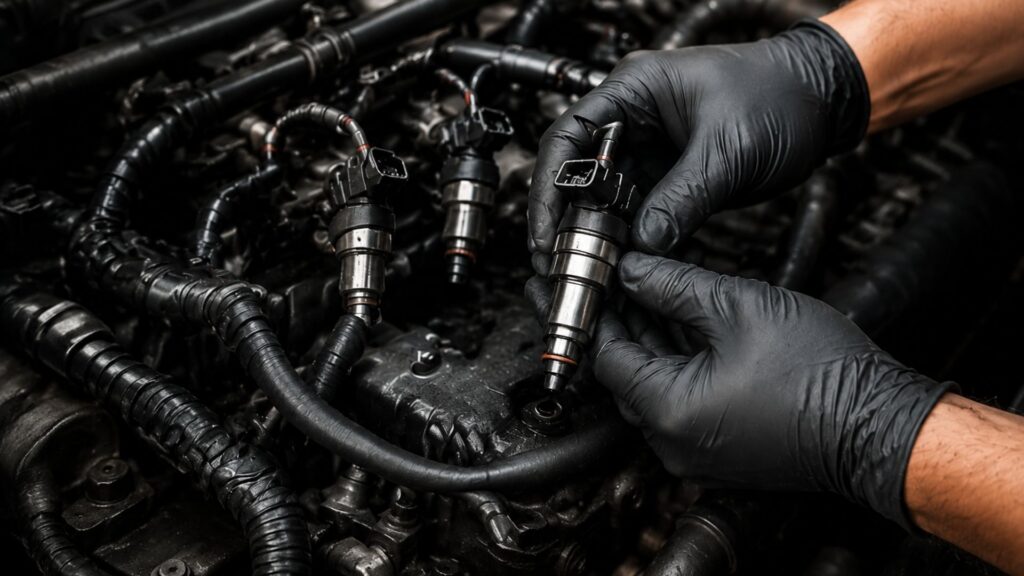
Fuel injectors are small but critical components in your engine’s fuel injection system. They deliver a precise spray of gasoline directly into the combustion chamber, where it mixes with air and ignites. When even one injector starts to fail, it throws off the entire air-fuel ratio, and your engine will let you know about it.
Here are seven bad fuel injector symptoms you should never ignore.
Your Engine Misfires
One of the most common signs of a failing fuel injector is an engine misfire. When an injector is clogged or damaged, it can’t deliver the right amount of fuel to that cylinder. The combustion process becomes inconsistent, and you’ll feel it as a stutter or jerk, especially when accelerating.
Over time, misfires put stress on your spark plugs and other engine components, making a small problem a lot more expensive if left unaddressed.
Rough or Unstable Idle
When you’re sitting at a red light and your car shakes or the revolutions per minute (RPM) on your tachometer fluctuate up and down without any input from you, that’s a sign something is off with your fuel delivery.
A dirty or leaking fuel injector disrupts the consistent fuel-air mixture your engine needs to idle smoothly. Contamination from sediment, carbon buildup, or debris in the fuel tank can clog injectors over time, resulting in that frustrating rough idle.
Poor Fuel Economy
If you’re filling up at the gas station more often than usual and your driving habits haven’t changed, don’t just blame rising gas prices. A malfunctioning fuel injector can cause your engine to run either too rich (too much fuel) or too lean (not enough fuel), both of which hurt fuel efficiency.
Poor fuel economy in automobiles is often a symptom that drivers overlook because it creeps up gradually. Tracking your miles per tank can help you catch this early.
The Check Engine Light Comes On
Your vehicle’s on-board diagnostics (OBD) system monitors fuel injection performance constantly. When it detects something wrong with fuel delivery or the air-fuel mixture, it triggers the check engine light on your dashboard.
While the check engine light can mean many things, fault codes related to fuel injectors are among the most common triggers. A proper computer diagnostics scan can pinpoint exactly which injector is causing the issue and save you from unnecessary guesswork.
You Smell Fuel Inside or Outside the Car
A functioning fuel injector delivers a controlled spray of gasoline into the intake manifold or combustion chamber. When an injector leaks – whether due to a cracked seal, wear, or moisture damage – raw fuel escapes before combustion.
That unburned gasoline has to go somewhere, and often you’ll smell it inside the cabin or notice it near the engine bay. This is more than just unpleasant. Fuel leaks are a serious safety concern and should be checked immediately.
Failed Emissions Test or Black Exhaust Smoke
When fuel injectors deliver too much fuel into the cylinder, not all of it burns cleanly during the engine’s four-stroke cycle. That excess gasoline gets pushed out through the exhaust, producing dark or black exhaust gas and causing your vehicle to fail an emissions or vehicle inspection test.
Carbon buildup from incomplete combustion can also foul your spark plugs and reduce overall engine efficiency over time. If your car is blowing dark smoke, a fuel injector problem is high on the list of likely causes.
Engine Surging or Hesitation Under Load
Does your car lurch forward unexpectedly, or does it hesitate before responding when you press the accelerator? These symptoms often point to inconsistent fuel delivery from a faulty injector.
When the injector delivers fuel in irregular bursts rather than a steady spray, the engine can’t maintain a consistent combustion cycle. This becomes especially noticeable on the road when you’re trying to merge onto a highway or accelerate out of a turn.
What Causes Fuel Injectors to Fail?
Understanding why injectors fail can help you prevent the problem before it starts.
- Contamination: Sediment, debris, and water from a dirty fuel tank or poor-quality gasoline can clog injector nozzles over time.
- Carbon buildup: Repeated heating and cooling cycles cause carbon deposits to form inside the injector and combustion chamber.
- Worn seals: Moisture and heat degrade the rubber seals on injectors, leading to leaks.
- Clogged filter: A clogged air filter or fuel filter forces the fuel pump to work harder, putting stress on the entire fuel system. Replacing your fuel filter on schedule is one of the simplest ways to protect your injectors.
Unlike quick-service stops that focus on basic oil changes, a thorough fuel system inspection requires the kind of diagnostic equipment and experienced technicians who know what to look for underneath the surface.
Can You Drive With a Bad Fuel Injector?
Technically, yes. Practically, you shouldn’t.
A bad injector won’t immediately leave you stranded, but driving with one puts added stress on your engine, worsens fuel economy, and can lead to damage that affects other components.
What starts as a $200 cleaning or replacement can turn into a much larger engine repair bill if ignored long enough.
Whether you drive a daily commuter, a diesel truck, or a classic car, the fuel injection system deserves attention when symptoms appear.
What to Do About Bad Fuel Injector Symptoms
Bad fuel injector symptoms are your engine’s way of asking for help. From rough idling and misfires to poor fuel efficiency and a glowing check engine light, these warning signs are worth taking seriously. At Don and Joe’s Auto Service, our ASE-certified technicians use state-of-the-art computer diagnostics to accurately identify fuel system issues and get your vehicle running right. If any of these symptoms sound familiar, give us a call at 765-529-3555 so we can take a closer look before a small fix becomes a costly repair.