
Warped Rotor Symptoms
You grip the steering wheel, press the brake pedal, and suddenly the whole front end shudders. It feels wrong, and it is. That vibration is one of the clearest warped rotor symptoms a driver can experience, and ignoring it puts you and everyone else on the road at risk.
What Actually Causes a Rotor to Warp?
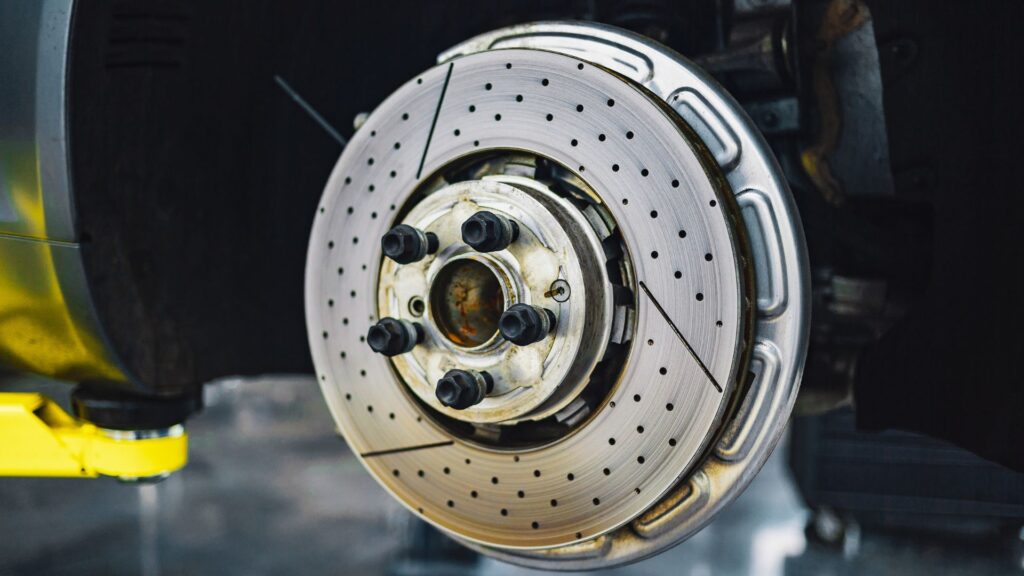
A disc brake rotor does a demanding job. Every time you slow down, it converts kinetic energy into heat through friction between the rotor surface and the brake pad. That heat builds up fast, especially during hard stops or heavy towing in a truck or larger vehicle.
When a rotor gets too hot too often, the metal expands unevenly. Over time, this creates a rotor surface that is no longer perfectly flat. Corrosion and rust from sitting in wet conditions can make the problem worse, wearing the surface in patches rather than evenly.
Warped Rotor Symptoms You Should Not Ignore
Steering wheel shaking is the most noticeable sign, but it is not the only one. Here is what to watch for:
- Pulsing through the brake pedal – You feel a rhythmic push-back when applying pressure, caused by the uneven rotor surface engaging the brake pad at inconsistent points.
- Speed wobble at highway speeds – The vibration may appear even before braking if the uneven rotor affects the wheel and steering knuckle at higher speeds.
- Longer stopping distances – An uneven rotor reduces consistent contact with the pad, which kills stopping power exactly when you need it most.
- Squealing or grinding sounds – Metal-on-metal contact from excessive wear or a glazed rotor surface often comes with noise.
How Technicians Diagnose a Warped Rotor
At Don and Joe’s Auto Service, ASE-certified technicians use a micrometer to measure rotor thickness variation across the disc. This tool gives an accurate reading of how far the surface has deviated from spec.
They also check brake fluid condition, hydraulics, and caliper pistons. A stuck piston can cause uneven pressure against the rotor, generating the same kind of heat and wear that leads to warping in the first place.
Resurfacing vs. Replacement
Sometimes a rotor can be machined back to a flat surface if enough material remains. If the rotor has worn below the minimum thickness or the damage is too serious, replacement is the safer and more cost-effective choice in the long run.
Brake pads are typically replaced at the same time to ensure even friction, proper torque transfer, and restored stopping power across both sides of the vehicle.
Tips to Prevent Rotor Warping
While some wear is inevitable, you can extend the life of your brake rotors with a few driving habits:
- Avoid “Riding” the Brakes: Constant, light pressure on the brake pedal during downhill driving builds excessive heat. Instead, use lower gears to control your speed when descending steep grades.
- Proper Lug Nut Torque: Uneven or excessive torque on lug nuts during tire changes can warp rotors over time. Ensure your wheels are torqued to the manufacturer’s specification using a torque wrench.
- Regular Brake Fluid Flushes: Old or contaminated brake fluid can cause calipers to stick, leading to uneven brake pressure and heat buildup. Follow your vehicle’s maintenance schedule for fluid changes.
Frequently Asked Questions (FAQ)
Can I continue driving with warped rotor symptoms?
It is not recommended. While the car may still stop, the vibration and uneven contact significantly reduce your braking efficiency and can damage other suspension components over time. Safety should always come first.
Does a shaking steering wheel always mean my rotors are warped?
Not necessarily. While it is a primary indicator of warped rotor symptoms, a shaking wheel can also be caused by unbalanced tires, loose wheel bearings, or suspension issues. Professional diagnosis is required to confirm the source.
How long does a brake repair take?
In many cases, a standard brake service, including rotor resurfacing or replacement, can be completed in a few hours. Always consult your service advisor for an estimate based on your specific vehicle model.
What to Do About Warped Rotor Symptoms
A shaking steering wheel is your car telling you something is wrong with the braking system. Warped rotor symptoms do not fix themselves – they worsen with every stop. If you are noticing vibration, pulsing, or reduced braking performance, it is time to have it checked. The team at Don and Joe’s Auto Service in New Castle, IN has been diagnosing and repairing brake issues since 1977. Call 765-529-3555 or learn more about our suspension and brake service to schedule an inspection today.