

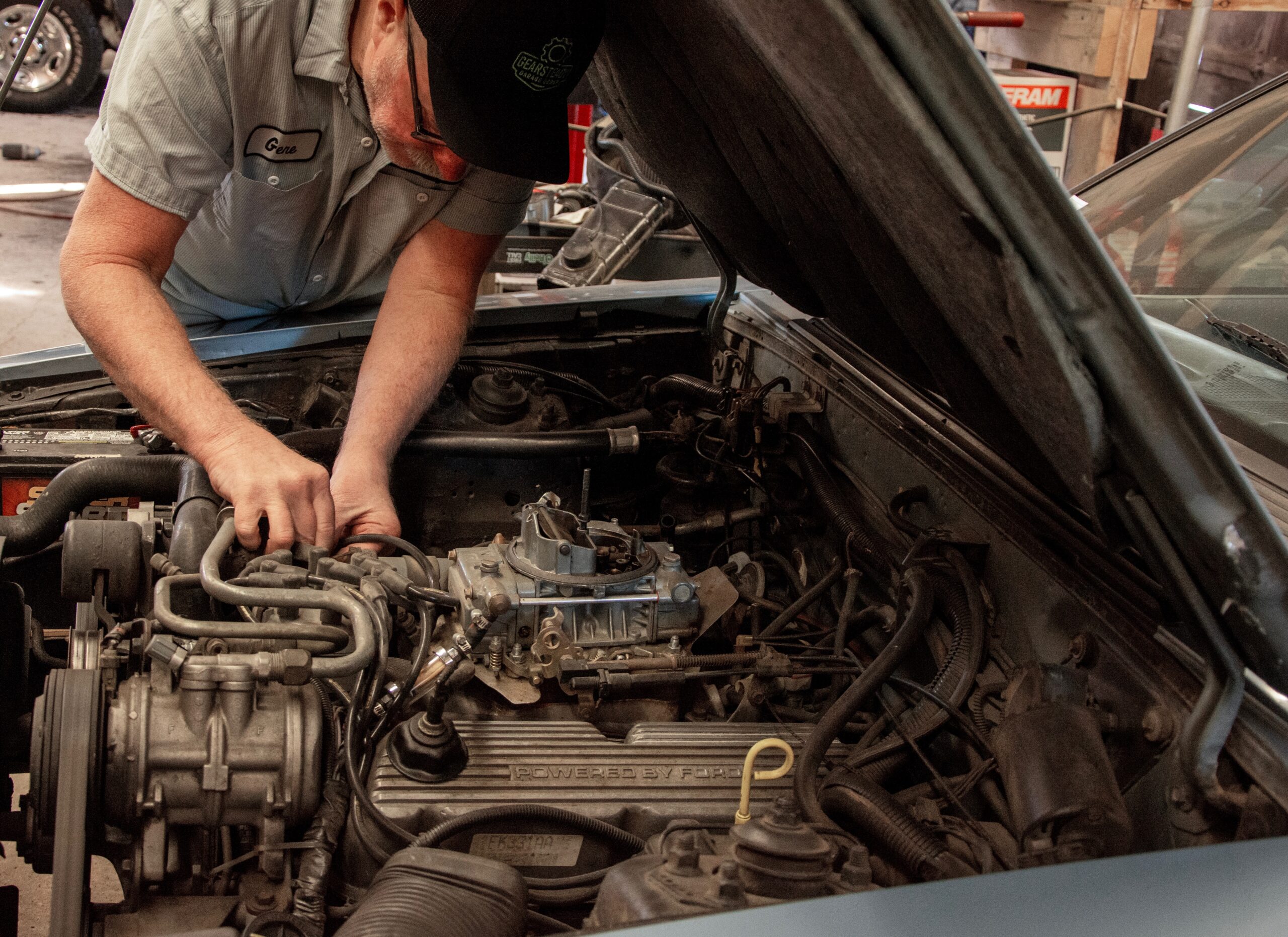
7 Bad Alternator Symptoms To Know
You replaced the battery six months ago. It was brand new. So why is your car struggling to start again?
Here’s the thing most drivers don’t realize: a dead or weak battery is often just the messenger. The real culprit behind repeated electrical problems is frequently the alternator – the component responsible for keeping your battery charged while the engine runs. When the alternator starts to fail, it stops doing its job, and your battery drains no matter how new it is.
Understanding the difference between a bad battery and a failing alternator can save you from unnecessary part replacements, repeated breakdowns, and a lot of frustration.
What Does an Alternator Actually Do?
Before diving into bad alternator symptoms, it helps to understand what this part does in the first place.
The alternator is a generator that converts mechanical energy from your engine into electrical energy. That electricity powers your car’s electrical systems – lights, air conditioning, the radio, charging ports – while simultaneously recharging the battery as you drive.
Think of it this way: the battery gets the car started, but the alternator takes over from there. If the alternator fails, the battery has to carry the entire electrical load on its own. It was never designed to do that for long, and it won’t.
Bad Alternator Symptoms You Shouldn’t Ignore
The tricky part about alternator problems is that they often mimic other issues. Knowing what to look for can help you catch a failing alternator before it leaves you stranded.
1. Your Dashboard Warning Light Comes On
Most modern vehicles have a battery-shaped warning light or a “GEN” or “ALT” indicator on the dashboard. A lot of drivers assume this means the battery is failing, but in many cases, it’s the alternator triggering the alert.
This light is tied to the vehicle’s charging system. When the system detects voltage outside the normal range – typically between 13 and 14.5 volts – the warning activates. Don’t ignore it and hope it goes away on its own.
2. Dim or Flickering Headlights
Because your headlights draw power directly from the electrical system, they are often one of the first things to show trouble when an alternator is struggling. If your lights seem dimmer than usual, flicker while idling, or brighten when you rev the engine, that’s a classic sign of inconsistent power output from a failing alternator.
This symptom is especially easy to spot at night or in low-light conditions.
3. Electrical Components Acting Strange
Power windows rolling up slower than usual. The radio cutting in and out. Heated seats that take forever to warm up. Interior lights that flicker or dim unexpectedly.
When the alternator can’t deliver steady voltage, your car’s electrical components begin to underperform. The vehicle’s computer will sometimes even prioritize certain systems over others to conserve power, causing some features to cut out entirely.
4. Frequent Dead Batteries
If you’ve replaced your battery once – or even twice – in a short period and you’re still having the same problems, stop blaming the battery. A healthy alternator recharges the battery while you drive. If it’s not doing that, no new battery will fix the underlying issue.
This is one of the most common and costly mistakes drivers make: repeatedly buying a new battery when the alternator is the real problem.
5. A Burning Smell or Whining Noise
A failing alternator can produce a distinct burning smell, similar to burning rubber or hot wires. This happens when the internal components overheat or when belts are slipping.
You might also hear a whining or grinding noise from the engine bay. These sounds can come from worn bearings inside the alternator or a loose belt that drives it. Either way, unusual smells or sounds from under the hood warrant immediate attention.
6. The Car Stalls or Has Trouble Starting
The alternator helps power the ignition system and fuel injectors while the engine is running. When it begins to fail, the engine may struggle to stay running or have difficulty starting altogether.
If your car stalls unexpectedly during normal driving – not just when idling – and you’ve already ruled out other causes, the charging system is a strong suspect.
7. Your Battery Dies Overnight
A healthy battery in a vehicle with a properly functioning alternator should hold its charge for weeks, even months, without being driven. If you come back to a dead battery after just one night, something is draining it.
This could be a bad alternator with an internal short, a parasitic draw from another electrical component, or a combination of both. Either way, this type of overnight drain needs a proper diagnosis – not just a jump start.
Bad Alternator Symptoms vs. Bad Battery Symptoms: How to Tell the Difference
This is where a lot of drivers get confused, and honestly, it makes sense. The symptoms can overlap significantly.
Here’s a practical way to think about it:
- If the car starts fine after a jump but dies again within minutes or miles, the alternator likely isn’t recharging the battery. That points to an alternator problem.
- If the car starts fine after a jump and continues running normally, the battery may simply have been discharged and needed a charge. That could point to a battery issue or a one-time drain.
- If your electrical symptoms are constant and don’t improve after replacing the battery, the alternator is the more likely cause.
The most reliable way to know for sure is through a professional charging system test. This measures the output voltage of the alternator and the health of the battery under load – giving you real answers instead of guesswork.
How Long Does an Alternator Last?
Most alternators last between 80,000 and 150,000 miles, though this can vary significantly based on driving habits, climate, and how many electrical accessories are regularly in use.
Vehicles with a heavy electrical load – lots of accessories, aftermarket audio systems, or frequent short trips where the alternator doesn’t fully recharge the battery – tend to wear out alternators faster. Extreme heat also accelerates wear on the internal components.
It’s not a part that requires routine replacement on a schedule, but it’s one worth paying attention to as your vehicle ages.
What Happens If You Keep Driving on a Bad Alternator?
The short answer: you won’t get far.
A failing alternator means your battery is being depleted without being recharged. Once the battery is completely drained, the car will die – often without much warning. You could be on a highway, in a parking lot, or stuck at a light when it happens.
Beyond the inconvenience, running a vehicle with a bad alternator can also damage other electrical components. The irregular voltage output puts stress on sensitive electronics, including your vehicle’s engine control module. Repairs that could have been simple become more complicated and more expensive the longer the issue is left unaddressed.
Computer Diagnostics: The Right Way to Diagnose Charging System Problems
Modern vehicles are equipped with sophisticated onboard computer systems that monitor everything from engine performance to electrical output. When something goes wrong, these systems log fault codes that can point directly to the source of the problem.
At Don & Joe’s Auto Service in New Castle, IN, ASE-certified technicians use state-of-the-art computer diagnostics to accurately assess charging system issues. Rather than guessing or swapping parts unnecessarily, a proper diagnostic pinpoints exactly what’s failing and why.
This saves you money, time, and the frustration of repeat repairs that don’t actually solve the problem.
What to Expect During an Alternator Inspection
When you bring your vehicle in for a charging system concern, a qualified technician will typically:
- Test the battery’s current condition and state of charge
- Measure the alternator’s output voltage with the engine running
- Check the alternator belt for wear, tension, and proper alignment
- Inspect electrical connections and wiring for corrosion or damage
- Pull any stored fault codes from the vehicle’s computer system
From there, you’ll get a clear explanation of what’s happening and what repair is needed – no upselling, no unnecessary work.
Don’t Let an Alternator Problem Leave You Stranded in New Castle, IN
The signs of a failing alternator are often easy to dismiss at first. A dimmer-than-usual light here. A slow-rolling window there. But these small signals are your vehicle’s way of telling you something is wrong before the situation gets worse.
Drivers in New Castle, IN and the surrounding Henry County area trust Don & Joe’s Auto Service for exactly this kind of honest, experienced diagnosis. With over 40 years of serving this community, the team knows how to get to the root of electrical and charging system problems without wasting your time or money.
If something feels off with your car’s electrical system, don’t wait until you’re stuck somewhere with a completely dead vehicle.
Frequently Asked Questions About Bad Alternator Symptoms
Can a bad alternator damage a new battery?
Yes, absolutely. A failing alternator can overcharge or undercharge a battery, both of which cause long-term damage. If your new battery keeps dying, have the alternator tested before buying another replacement.
How much does alternator replacement cost?
The cost varies depending on the vehicle make and model. Labor time also differs significantly between vehicles. Don & Joe’s provides free estimates when performing the work, so you’ll know exactly what you’re looking at before any repairs begin.
Can I drive with a bad alternator?
You can, but not for long. Once the battery depletes, the car will stop running. It’s best to address alternator problems as soon as symptoms appear rather than risk being stranded.
Will the check engine light come on for alternator problems?
It depends on the vehicle. Some cars display a specific battery or charging system warning light. Others may trigger the check engine light. Either way, any dashboard warning light should be taken seriously and diagnosed promptly.
Is it the battery or the alternator?
The best way to know for certain is through a professional charging system test. Trying to diagnose this on your own by swapping parts is costly and unreliable. A proper test gives you a definitive answer in a matter of minutes.
Catch Bad Alternator Symptoms Before You’re Stranded
When your car keeps losing power and your battery keeps dying, the alternator is often the answer everyone overlooks. The symptoms – from flickering lights to overnight battery drain – are your vehicle asking for help. Catching a failing alternator early keeps a manageable repair from turning into a much bigger problem. If you’re experiencing any of these warning signs, schedule a computer diagnostics appointment with Don & Joe’s Auto Service. You can also reach the team directly at 765-529-3555.