

Unlock the Real Benefits of Tire Rotation for Better Safety & Savings
If you’ve ever been told you need a tire rotation but weren’t exactly sure what it means or why it matters, you’re not alone. Many drivers scratch their heads when they hear “rotate your tires” during an oil change or maintenance check. But understanding the benefits of tire rotation can actually save you money and make your driving safer.
Let’s break it down in plain terms so you can make smart decisions for your car and your wallet.
What Is Tire Rotation?
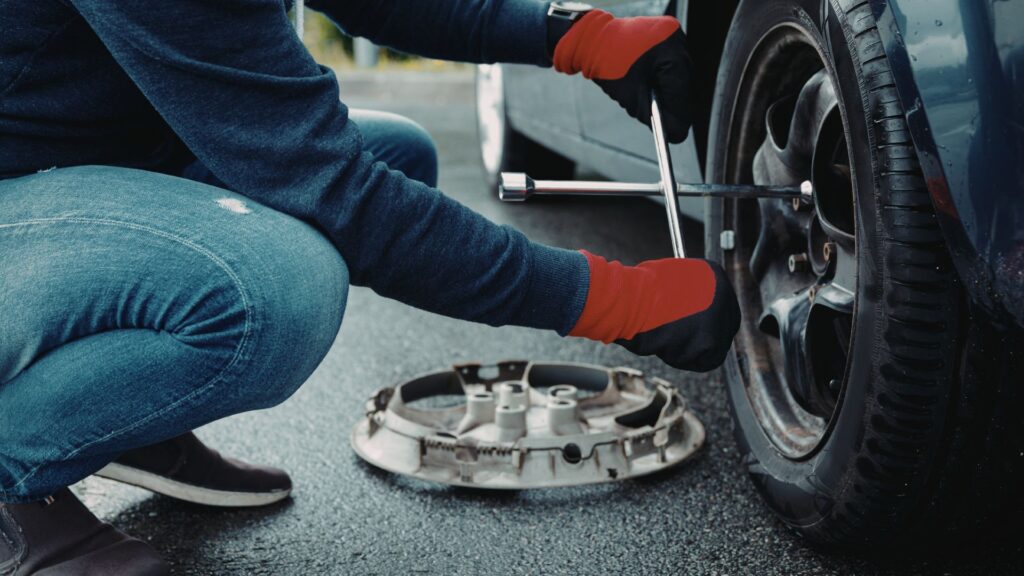
Tire rotation is the process of moving the tires from one position on your vehicle to another. This typically means shifting the front tires to the rear and vice versa, or even swapping them diagonally depending on the recommended rotation pattern for your vehicle.
The goal? To make sure your tires wear evenly across all four tires and to extend the life of your tires.
Why Is It Important to Rotate Your Tires?
Rotating your tires isn’t just helpful – it’s essential. Each tire doesn’t wear the same because of how weight, motion, and drivetrain affect the car’s performance.
For example:
- On front-wheel drive vehicles, the front tires wear faster because they handle steering, acceleration, and most of the braking.
- For rear-wheel drive or four-wheel drive vehicles, the wear patterns can differ based on how torque and traction are applied.
If not rotated regularly, you’ll likely end up with uneven tire wear, which could lead to:
- Reduced traction, especially in wet or icy conditions
- Lower fuel economy
- Noisier rides
- Shorter tire life
How Often Should You Rotate Your Tires?
So, how often should you rotate your tires? It depends a bit on your driving habits and your vehicle type. But a good rule of thumb: tires should be rotated every 5,000 to 7,500 miles. For many, that’s about every other oil change.
You can also check your owner’s manual for the exact interval that fits your car or ask a tire expert for personalized advice.
Key Benefits of Tire Rotation
Understanding the benefits of tire rotation can help prevent problems before they cost you. Here are some of the top advantages:
Helps Tires Wear Evenly
Rotating your tires may seem simple, but it has a big impact. Regular tire rotation helps tires wear evenly. Uneven tire wear shortens the usable life of a tire and may lead to one tire wearing faster than the others.
When you move the tires from one axle to another or from one side to the other, it allows all four tires to wear at a similar rate, improving their lifespan and saving you money in the long run.
Improves Fuel Efficiency
Proper tire rotation can play a role in improving fuel economy in automobiles. Tires that are worn unevenly or improperly inflated create more rolling resistance. This forces your engine to work harder, which uses more fuel.
Ensure your tires stay balanced and aligned with proper tire rotations to help maintain your car’s fuel efficiency.
Promotes Better Handling
Even tread wear gives you more consistent grip on the road, which affects steering and overall performance. Uneven wear can make your steering wheel pull or shake, especially at higher speeds.
With tires worn evenly, you’ll enjoy smoother rides and more predictable handling under different road conditions.
Extends Tire Life and Performance
Tire rotation is an important part of preventative maintenance. By following the correct tire rotation interval, you’ll help manage tread wear, improve tire performance and help your tires last longer.
Regularly rotating your tires is key to maximizing your investment in a set of new tires or your current ones.
Reduces Risk of Blowouts and Flats
Tires that wear unevenly aren’t just inefficient – they can become dangerous. When treads are worn down beyond safe limits, the risk of a blowout increases, especially on freeways or long trips. Keeping even tread wear helps detect any worn tires early and reduces this risk.
Understanding the Right Tire Rotation Pattern
The right rotation pattern for your vehicle depends on a few factors, including:
- Whether your car is front-wheel drive, rear-wheel drive, or 4WD
- The type of tire (directional vs. non-directional tires)
- Whether you have a full-size spare tire
- Any existing tire wearis already present
Common tire rotation patterns include:
- Rearward cross: Move the rear tires to the front and the front tires diagonally to the rear
- Forward cross: Move front tires to the rear and rear tires diagonally to the front
- X-pattern: All tires are moved diagonally
For cars with directional tires (tires that are designed to rotate in only one direction), you might be limited to front-to-rear movement on the same side.
Make it a habit to mark the tires when rotating so that it’s easy to know which tire is positioned where during the last service visit.
Signs It’s Time to Rotate the Tires
Not sure if you’re due? Here are a few signs you may need to rotate your tires:
- One tire is wearing faster than the others
- You hear unusual noises while driving
- The steering feels off or shaky
- Your mechanic recommends it during other services
If any of these sound familiar, it may be time to get your tires rotated.
A Look at Tire Rotation in Action
Let’s say you drive a front-wheel drive vehicle. Your front tires do most of the hard work: turning, accelerating, and handling braking power. Over time, your front tires wear more quickly than the back ones.
By rotating them, say by moving the rear tires to the front and the front tires to the rear, you distribute the wear more evenly. In a typical cross-rotation pattern, the left front tire is moved to the rear and possibly to the opposite side.
If the tires are worn unevenly, a professional tire rotation service can bring back that balanced, smooth drive and prevent premature tire replacement.
Combine with Other Preventative Services
Tire rotation fits nicely into your car’s broader care routine. Think of it like allergies and brushing your teeth, the more attention you give regularly, the fewer problems you’ll face down the road.
While you’re at it, schedule other preventative maintenance services like:
- Brake inspections
- Tire pressure checks
- Motor oil changes
- Wheel alignment
These services together ensure your tires, engine, and suspension system stay in peak shape.
At Don & Joe’s Auto Service, we can help you stay ahead of vehicle problems and protect your investment.
The Local Road Ahead
In and around Henry County, IN, where road wear, seasonal shifts, and regular driving all play a role, tire rotation isn’t optional – it’s smart. Whether you drive a compact sedan with front axle tires doing most of the work, or a truck where torque and weight are more spread out, rotating your tires is one of the simplest ways to protect your vehicle and your wallet.
Final Thoughts: Rotate Often, Drive Smart
The benefits of tire rotation are clear: better safety, improved fuel economy, longer tire life, and smoother rides. Whether you’re a daily commuter or weekend driver, taking the time to rotate the tires is worth every penny.
If you want to stretch the life of your tires and enjoy a safer drive, integrate tire rotation into your regular maintenance schedule. Rotating your tires every 5,000 to 8,000 miles, or about every other oil change, is a smart, local-friendly strategy here in Henry County, IN.
And when in doubt, ask a professional tire expert. They’ll assess your tread wear, recommend the right rotation pattern, and keep your wheels road-ready for wherever you’re headed next.
Ready for smoother drives and longer-lasting tires? Visit us or schedule your next rotation today.