
5 Brake Booster Failure Symptoms
When your brake pedal suddenly feels like you’re pressing against a brick wall, something is seriously wrong. That stiff, unyielding resistance is not normal, and it is one of the most telling brake booster failure symptoms you can experience behind the wheel.
Understanding what is happening under the hood can help you act fast before a brake issue turns into something far more dangerous.
What Does a Brake Booster Actually Do?
The brake booster, also known as a vacuum servo, is a key component in your vehicle’s braking system. It sits between the brake pedal and the master cylinder, using vacuum pressure drawn from the engine to amplify the force you apply with your foot.
Without this vacuum assist, stopping your car would require significantly more physical effort. The booster works by using a check valve to hold vacuum pressure in reserve, so even if the engine stalls, you still have a couple of assisted stops available.
Why a Hard Pedal Points to Brake Booster Failure
A hard brake pedal is one of the clearest symptoms of a failing vacuum servo. When the booster loses its ability to generate or hold vacuum pressure, the hydraulic assist disappears, and your foot carries the full load.
This can happen for several reasons:
- A leak in the vacuum line supplying the booster
- A failed or stuck check valve that cannot hold pressure
- Internal diaphragm damage inside the booster itself
- A failing engine that cannot generate adequate vacuum
If your pedal feels unusually stiff from the very first pump, especially right after starting the car, that is a strong indicator the booster is not receiving proper vacuum from the engine.
Other Brake Booster Failure Symptoms to Watch For
A hard pedal is the most obvious warning, but it rarely travels alone. Here are additional signs your brake booster may be in trouble.
Hissing Noise When Braking
A hissing or sucking noise coming from behind the dashboard when you press the brake pedal often signals a leak in the booster diaphragm. Air is entering the vacuum system where it should not be, disrupting pressure balance and reducing braking assist.
Increased Stopping Distance
When booster assist drops, your car takes longer to stop. This is especially noticeable at higher speeds and can be dangerous in emergency situations. Do not dismiss increased stopping distance as a tire issue before ruling out the brake booster.
Engine Stall or Rough Idle
In some vehicles, a severely leaking brake booster pulls in unmetered air that disrupts the engine’s air-fuel mixture. This can cause rough idling or even stalling when you press the brake pedal. Some vehicles, including the Ford E-Series van, may experience this issue.
Brake Fluid Concerns
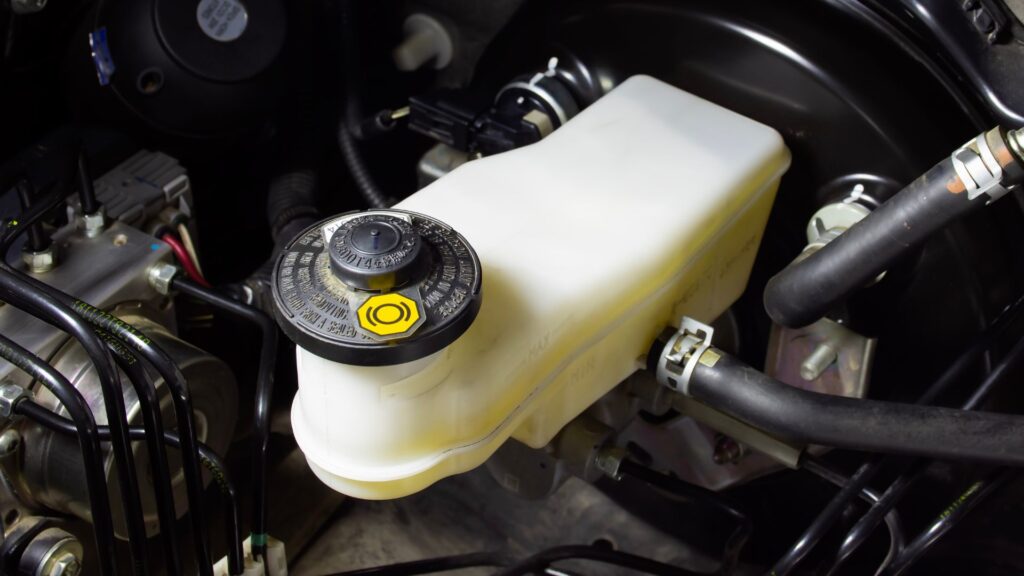
While brake booster failure is primarily a vacuum-assist issue, any brake fluid irregularities alongside a stiff pedal should be inspected at the same time.
A Note on Hybrid Vehicles
Hybrid vehicles do not rely on engine-generated vacuum the same way conventional cars do. Instead, they use electric vacuum pumps or electrohydraulic systems to power the braking assist. Brake booster failure symptoms in a hybrid may appear differently, and diagnosing them requires knowledge of both traditional hydraulics and modern anti-lock braking system integration.
Do Not Ignore These Warning Signs
Brake problems are not something to delay. A brake booster that is failing will only get worse over time. The moment your pedal feels harder than usual, or you notice any of the symptoms listed above, get your vehicle inspected by a professional.
What to Do When You Notice Brake Booster Failure Symptoms
A stiff brake pedal is your car talking to you, and it is worth listening. The brake booster plays a critical role in keeping your braking system responsive and safe. If you are experiencing any of these brake booster failure symptoms, the team at Don and Joe’s Auto Service in New Castle, IN is ready to help. Schedule a professional brake inspection with technicians who have been diagnosing and repairing brake systems correctly for over 40 years. Call 765-529-3555 to get answers fast.