

What Causes a Car to Overheat? Fix the Real Problem Before It’s Too Late
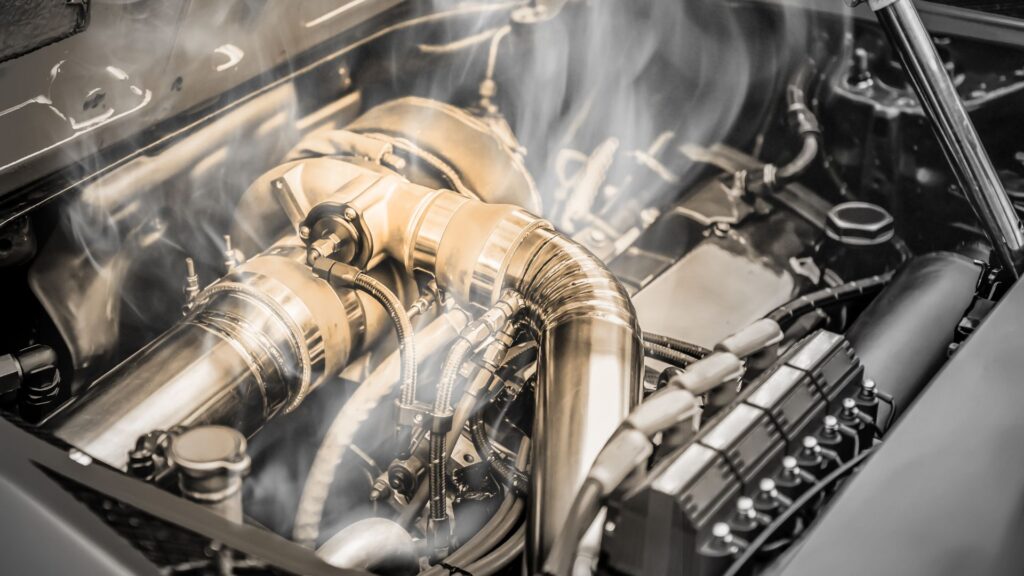
If you’ve ever been driving around Henry County, IN, and suddenly noticed smoke or steam spewing from the front of the engine, your temperature gauge hovering in the red, or felt hot air blowing from the vents, you’re not alone.
These are all signs your car might be overheating, and ignoring the warning signs could lead to serious engine damage.
Understanding what causes a car to overheat can help you catch issues early, avoid breakdowns, and keep your car’s engine running smoothly.
Why Does a Car Overheat?
There’s no single answer. A car can overheat due to a number of small malfunctions or one critical problem within the cooling system. Internal combustion engine cooling relies on a precise balance of airflow, coolant circulation, and temperature regulation to keep the engine from getting too hot.
When any part of this process fails, it can cause overheating.
Let’s look at the most common causes.
Low Coolant Levels: Leading Reason Your Car Begins to Overheat
Coolant (also called antifreeze) is crucial for absorbing the heat from the engine and releasing it through the radiator.
If your coolant level drops too low, heat from the engine can’t be carried away. That’s when overheating can occur.
Why the coolant might be low:
- A coolant leak in the hose, radiator, or water pump
- Evaporation through worn-out reservoir caps
- A problem with your coolant reservoir tank
When you check your engine coolant level, be sure to do it only when the engine has cooled. Opening the reservoir when it’s hot can be dangerous due to escaping steam.
Radiator Problems That Cause Overheating
Your radiator is the heart of the cooling system. It releases the heat absorbed by the coolant.
If the radiator gets blocked, corroded, or suffers a leak, the coolant can’t do its job efficiently.
Issues in the radiator that cause engine overheating include:
- Broken radiator fan (reduces airflow that cools the radiator)
- Clogged fins obstructing airflow
- Damaged radiator cap causing pressure imbalances
The radiator fan pulls cool air through the radiator. If it doesn’t work properly, especially when you’re idling or using the air conditioning, your engine can quickly overheat.
Learn more about professional car heating and cooling repair in Henry County, IN
Faulty Thermostat: Blocking Coolant Flow
Your car’s thermostat is a valve that regulates the flow of coolant based on engine temperature.
When working correctly, it opens to allow coolant through the engine. But if it gets stuck closed, it blocks the coolant flow completely.
This restriction creates a backup of heat in the engine, causing an overheated engine and potentially damaging the thermostat housing or nearby cylinders.
If left unchecked, this blockage can cause the head gasket to fail, a much more costly repair.
Water Pump Failures: Interrupting Coolant Circulation
The water pump sends engine coolant throughout the cooling system, pushing it through the radiator and engine block.
If the water pump’s impeller wears out or the pump starts leaking, coolant can’t circulate.
Without circulation, the engine will overheat quickly.
Make sure you keep an eye on the area under your vehicle for water or coolant leaks, especially near the front of the engine.
Coolant Leak: A Silent Trouble Maker
Leaks in the cooling system often go unnoticed until it’s too late. Any loss of coolant fluid means the internal combustion engine cooling system can’t properly absorb heat from the engine.
Common spots for a coolant leak:
- Radiator hoses
- Heater core
- Water pump
- Radiator tank
Because the leak may be small, you might not notice it unless you’re actively checking fluid levels. If your engine temperature climbs suddenly, a hidden leak could be the reason.
Airflow Obstructions or Fan Issues
Your car relies on steady airflow to keep the engine cool, especially when driving slowly or stopped.
When that airflow is disrupted, your cooling system struggles to keep temperatures down.
Possible obstructions or failures:
- Debris clogging the front grille or radiator
- Broken radiator fan motor
- Fan relay or fuse issues
If your air conditioning stops working efficiently with engine heat rising, airflow blockages may be the problem.
Broken Thermostat or Wrong Coolant
Sometimes people use the wrong coolant mixture or even substitute water. This seems harmless, but different coolants are engineered for specific vehicle systems.
The wrong coolant can cause deposits, reduce heat transfer, and even corrode the radiator or water pump. Always use the coolant type recommended in your car’s manual.
If your thermostat is misreading engine temperature, it may fail to open at the correct moment, further contributing to the issue.
Engine Oil: The Hidden Player in Engine Cooling
Engine oil also helps regulate temperature. It reduces friction, keeping the engine operating smoothly.
Low engine oil levels or old, degraded oil can’t absorb and transfer heat effectively. This extra heat from the engine adds stress on the cooling system, possibly causing engine overheating.
Other Common Causes of Overheating
Here are a few other possible reasons a car would overheat:
- Malfunctioning heater core – Can create a blockage in the coolant hose
- Broken serpentine belt – This belt may power the water pump on some vehicles
- Cracked head gasket – Allows coolant and oil to mix, disrupting both systems
- External heat conditions and heavy loads – Make it harder for the engine to cool
Remember, your vehicle’s system was designed to work under pressure and precise temperature ranges. Any imbalance can lead to overheating.
What to Do When Your Car Is Overheating
If your car begins to overheat while driving, here are your immediate steps:
- Turn off air conditioning to reduce strain on the engine.
- Instead, run your heat at full blast – this draws hot air away from the engine.
- Pull over safely and open the hood to allow hot air away from the engine.
- Wait for the engine to cool before inspecting coolant levels.
- Never open the radiator cap when hot – hot steam causes burns.
If you’re dealing with frequent overheat issues or a known coolant leak, it’s best to consult a professional. Keep driving with engine problems is never recommended, especially after an overheated engine warning.
How to Prevent Your Car From Overheating
Here are a few ways to prevent your car from overheating:
- Check your engine coolant regularly.
- Look under your vehicle for signs of a radiator or coolant leak.
- Service your radiator and water pump on schedule.
- Use the correct coolant fluid mixture.
- Monitor your temperature gauge on hot days or while towing.
- Get regular inspections of hoses, radiator mounting, and fans.
Prevent overheating by giving your cooling system the attention it deserves. It’s a key piece of overall car care.
Conclusion: Don’t Wait Until You’re Spewing Steam
Understanding what causes a car to overheat can save you from big repairs, roadside assistance calls, or worse, serious engine damage.
Often, it’s a small thing like low coolant or a faulty radiator fan. But left unchecked, these can grow into hardened cylinder walls or warped engine heads.
If your vehicle is overheating or showing signs of poor cooling, Don & Joe’s is here to help.
We’ve built a reputation in Henry County, IN for trustworthy car care and expert diagnostics.
From a simple coolant flush to a full inspection of your car’s cooling system, let us help you prevent overheating before it happens.
Need help today? Visit our car heating and cooling repair page to learn more.
Stop guessing, start fixing, and keep your engine cool. Reach out now.