

What Is Blow-By on an Engine? Your Crankcase Is Talking
If your engine has been acting strange lately – burning through oil faster than it should, producing white or blue smoke, or just feeling weaker than usual – your crankcase might be trying to tell you something. And what it’s saying could be two words: blow-by.
Understanding blow-by does not require a mechanical degree. But it does require paying attention to what your engine is doing, because ignoring it can turn a manageable problem into a very expensive one.
What Is Blow-By on an Engine?
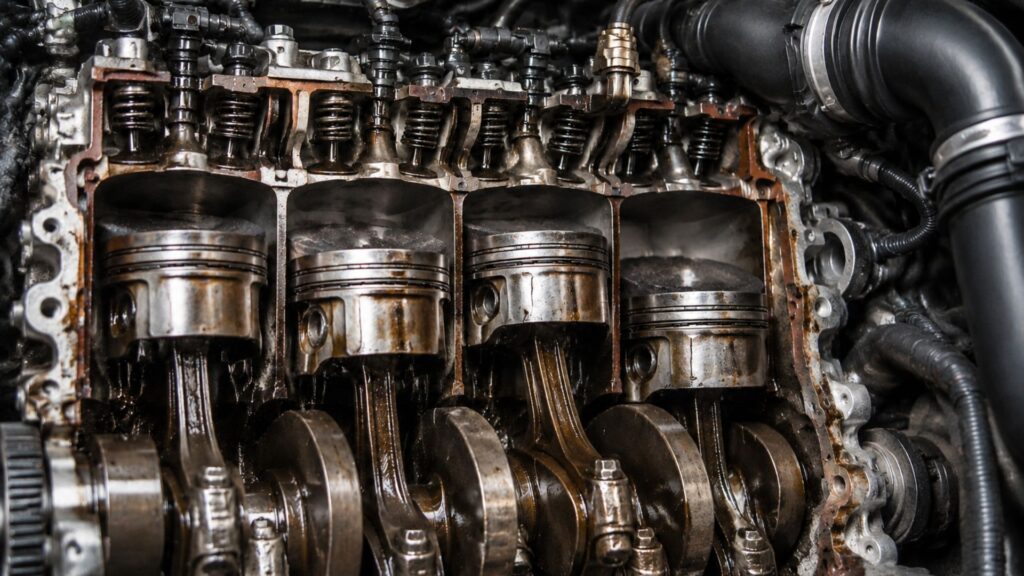
Blow-by happens when combustion gases escape past the piston rings and leak down into the crankcase instead of being pushed out through the exhaust system. In a healthy internal combustion engine, the combustion chamber is where the air-fuel mixture ignites and drives the piston downward with force. The piston rings are supposed to seal that pressure inside the cylinder so it transfers into usable power.
When those rings wear out, crack, or lose their tension, they stop doing their job. Hot gases – including exhaust gas, unburned fuel, and carbon particles – slip past the piston and enter the crankcase. This is blow-by, and it turns your clean motor oil into a contaminated, degraded fluid that cannot lubricate properly.
Why the Crankcase Ventilation System Matters
Your engine actually has a built-in response to this problem. The crankcase ventilation system – most commonly in the form of a PCV (positive crankcase ventilation) valve – is designed to vent those gases back into the intake so the engine can reburn them. It is a clever system that also reduces emissions.
But when blow-by is severe, the crankcase ventilation system gets overwhelmed. It cannot keep up with the volume of pressure and gases building up below the pistons. When that happens, you start seeing the symptoms.
Common Signs of Engine Blow-By
You do not always know blow-by is happening until you start noticing something is off. Here are the most telling signs.
- Blue or white smoke from the exhaust is one of the most obvious. When oil contaminates the combustion process, it burns and exits as thick, discolored smoke from the exhaust system.
- Oil consumption without visible leaks is another red flag. If you are topping off your oil every few weeks but see no puddles under the car, blow-by may be pulling oil vapors into combustion.
- A white film or sludge inside the oil cap can result from condensation mixing with the oil, although it is not a definitive sign of blow-by. If you twist off your oil cap and see a milky, grayish buildup, it may indicate moisture and combustion gases accumulating in the crankcase.
- Loss of power or rough performance happens because blow-by reduces the compression ratio in the cylinder. Less compression means less force pushing the piston, which means less horsepower reaching the wheels.
- Engine knocking or unusual noise can also occur when blow-by leads to oil breakdown. Contaminated, thinned-out oil cannot cushion moving parts the way it should, and the result is noise – sometimes serious noise.
What Causes Blow-by?
Worn Piston Rings
This is the most common cause. Piston rings wear gradually over time, especially when oil changes are delayed or low-quality oil is used. Once they lose their seal, combustion gases flow freely into the crankcase. This type of wear is slow, which is why many drivers do not notice it until the problem is already advanced.
High Mileage Engines
An engine with a lot of miles on it has experienced a lot of heat cycles, friction, and mechanical stress. The cylinder walls themselves can become scored or worn, creating gaps that even good piston rings cannot fully seal. This is common in older gas engines and diesel engines alike – including heavy-duty applications like the Ford Power Stroke engine, which is known to develop blow-by under hard use.
Soot and Carbon Buildup
In diesel engines especially, soot and carbon particulate matter can accumulate around the rings, causing them to stick or lose flexibility. A stuck ring cannot expand and contract properly to maintain its seal, and that is when gases sneak past.
Poor Oil Maintenance
Motor oil does more than lubricate. It carries away heat and keeps internal surfaces clean. When oil breaks down or becomes contaminated, it loses its protective properties and accelerates wear on pistons, rings, and cylinder walls. Skipping oil changes is one of the fastest paths to blow-by.
Can You Fix Blow-By Without a Full Engine Rebuild?
This depends entirely on how far the problem has progressed. In mild cases – especially if caught early – some drivers have had success using engine flush treatments or high-mileage oil formulas.
But these are not permanent fixes. They can help slow deterioration or reduce symptoms temporarily. If the piston rings are significantly worn or the cylinder walls are damaged, the only real solution is engine repair – which could mean a ring replacement, cylinder honing, or in severe cases, a complete engine rebuild.
It is worth being honest with yourself here. If your car is showing multiple symptoms and has high mileage, a treatment additive is not going to undo years of mechanical wear.
How a Mechanic Diagnoses Blow-By
A professional diagnosis usually starts with a compression test. Each cylinder is tested to see how much pressure it holds during the compression stroke. Low readings point to leakage – and a follow-up leak-down test can confirm whether it is the rings, valves, or head gasket causing the problem.
A visual inspection of the crankcase ventilation system, PCV valve, and oil condition also tells a mechanic a lot. If the oil looks dark and smells of fuel, or if there is significant soot and carbon contamination, that paints a clear picture of what is going on inside the engine.
From there, a good technician will walk you through your options honestly – what it will cost, what the realistic outcome is, and whether repair or replacement makes more sense for your specific vehicle.
Does Blow By Affect Fuel Efficiency?
Yes, and noticeably so. When combustion pressure escapes past the piston instead of doing useful work, the engine has to work harder to produce the same amount of power. That extra effort means burning more gasoline or diesel fuel to compensate. Over time, you spend more at the pump while getting less performance – a lose-lose situation for your wallet and your engine’s fuel efficiency.
In fact, fuel efficiency decline is often one of the first subtle signs that something is wrong internally, even before the smoke or oil consumption becomes obvious.
Is Blow By More Common in Diesel Engines?
Diesel engines operate at higher compression ratios than gasoline engines, which puts more stress on piston rings from the start. That means diesel blow-by is not uncommon, especially in high-mileage trucks or vehicles used for towing and hauling. A diesel generator running under heavy load experiences similar wear patterns for the same reason.
That said, gas engines are not immune. Any internal combustion engine – whether it powers a compact car or a full-size truck – can develop blow-by if maintenance is neglected long enough.
What to Do When Your Engine Shows Signs of Blow-By
Blow-by is not something to brush off or wait on. It signals real wear inside your engine, and the longer it goes unchecked, the more damage it does to your oil, your cylinders, and your overall engine health. If you are noticing the symptoms – oil loss, smoke, power drops, or that telltale noise – it is time to get a professional set of eyes on it. Schedule an engine repair diagnosis with the team at Don & Joe’s Auto Service in New Castle, IN. Call 765-529-3555 to book your appointment today.