
6 Car Water Pump Failure Signs You Should Never Ignore
Your car’s engine runs hot – extremely hot. Without a system working constantly to pull heat from the engine and keep temperatures in check, you’d be stranded on the side of the road within minutes. That system depends heavily on one often-overlooked component: the water pump.
When a water pump starts failing, the warning signs can be subtle at first. But if you ignore them, you could be looking at serious engine damage and a much bigger repair bill. Learning the signs early can save you time, money, and a whole lot of stress.
What a Water Pump Does and Why It Matters
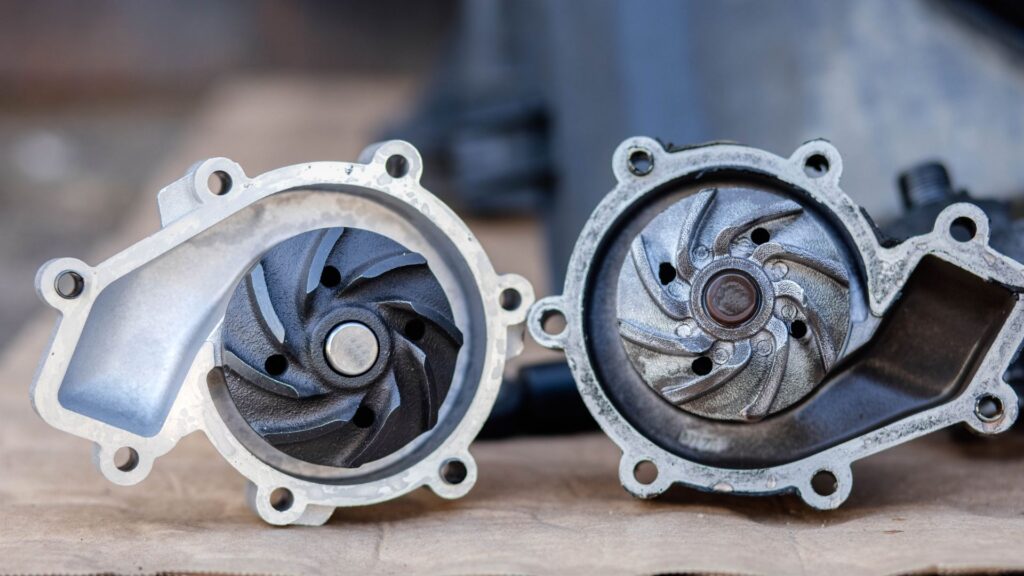
The water pump is one of the hardest-working parts of your vehicle’s cooling system. Its job is simple but critical, it keeps coolant circulating between the engine block, the radiator, and back again, drawing heat away from vital engine components before temperatures get out of hand.
The pump is driven by either a timing belt or a serpentine belt, depending on your vehicle. As long as the engine is running, the pump should be moving coolant through the system. The moment it stops doing its job, your engine is at risk.
Understanding how the water pump works helps you recognize when something is wrong. Without a working pump, coolant flow stops, temperatures spike, and what starts as a minor issue can escalate into a blown head gasket or warped cylinder heads.
Common Signs Your Water Pump Is Failing
Your Engine Is Overheating
This is the most obvious red flag. If you see the temperature gauge climbing higher than normal or you notice steam coming from under the hood, shut the engine off as soon as it is safe to do so. An overheating engine due to a water pump that has stopped circulating coolant can cause severe internal damage in a short amount of time.
Overheating can lead to a warped cylinder head, a blown head gasket, or even damage to the cylinder walls. Continuing to drive on an overheating engine is one of the most expensive mistakes a driver can make.
Coolant Leak Near the Front of the Engine
A coolant leak pooling at the front of the engine is one of the clearest signs of a failing water pump. The pump uses seals and gaskets to keep coolant contained as it flows through the system. Over time, those seals and gaskets wear down, crack, or corrode, allowing coolant to escape.
You might notice a puddle of green, orange, or pink fluid at the front of your vehicle after parking. If you find the source and it traces back to the pump housing or gasket, the pump may need immediate attention. Ignoring a coolant leak, even a small one, puts the entire cooling system at risk.
Whining or Squealing Noise From the Engine
A whining or squealing noise coming from the front of the engine could point to a problem with the water pump pulley or the bearing inside the pump. A worn or damaged bearing can cause the pulley to wobble, which in turn causes the belt to slip or produce noise under load.
This kind of noise often gets worse as the engine warms up. If you hear a steady whine or grinding sound near the front of the engine, do not wait to have it checked. A failing bearing can lead to complete failure of the pump without much additional warning.
Low Coolant Levels With No Visible Leak
Sometimes a pump may cause slow internal seepage that is not immediately visible on the ground. If you find yourself adding coolant regularly but cannot find an obvious external leak, the pump’s internal seal may be allowing coolant to escape into areas it should not reach.
Low coolant levels left unchecked reduce coolant flow, causing the engine to overheat even when the thermostat opens correctly. This can easily be mistaken for a thermostat problem when the real issue is a worn-out water pump.
Steam or Smoke Under the Hood
If you see steam rising from under the hood while the engine is running, that is a serious sign that the engine is overheating. Steam typically means coolant has reached a boiling point within the engine, which happens when the pump stops moving fluid through the radiator effectively.
Pull over safely, turn off the vehicle, and do not open the radiator cap. Let the engine cool completely before inspecting anything. Then have the vehicle towed to a shop for a proper diagnosis. This is not a situation to push through.
Heater Stops Working Properly
Your heater relies on hot coolant passing through the heater core to warm the cabin. If the pump is no longer circulating coolant effectively, you might notice the heater blowing cool or lukewarm air even when the engine is fully warmed up. This reduced coolant flow through the heater core is a subtle but telling water pump symptom.
Common Causes of Water Pump Failure
Understanding the common causes of pump failure can help you prevent the problem before it starts.
- Wear and tear – The bearing, impeller, and seals inside the pump degrade naturally over time, especially on high-mileage vehicles.
- Corrosion – Rust and corrosion from contaminated or improperly mixed coolant can eat away at the pump housing and internal components.
- Belt problems – A worn or loose serpentine belt or timing belt can put extra stress on the pump, accelerating wear.
- Gasket failure – The gasket between the pump and engine block can break down, causing leaks and reduced efficiency.
Keeping up with your scheduled preventative maintenance services goes a long way toward catching these issues before a broken water pump leaves you stranded.
What Happens If You Ignore a Damaged Water Pump
A damaged water pump does not fix itself. The longer you wait, the more likely you are to face cascading failures. Reduced coolant flow causes the engine to overheat, overheating issues stress the head gasket, and a blown head gasket means coolant entering the combustion chamber, resulting in engine damage that is far more expensive to fix than replacing the pump ever would have been.
The signs of a broken water pump are your engine’s way of asking for help. The signs of a bad water pump or the signs of a failing water pump are symptoms to look for every time you notice something unusual under the hood.
If you suspect your water pump is failing, the smart move is to have it inspected before the problem gets worse. At Don & Joe’s Auto Service, the team offers professional auto repair services and advanced computer diagnostics services to accurately diagnose and repair water pump issues. Their ASE-certified technicians can find the source of the problem quickly and get you back on the road with confidence.
For vehicles with timing belt-driven pumps, replacing the water pump at the same time as the timing belt is often recommended, as it saves labor and protects the engine long-term. Ask the team about their expert engine repair solutions and automotive heating and cooling system repair to make sure your entire cooling system is in top shape.
Conclusion
Your water pump is small, but its impact on your engine’s health is enormous. The warning signs are there if you know what to look for; overheating, leaks, strange noises, and heater problems are all signals worth taking seriously. Catching a failing water pump early protects your engine and keeps repair costs manageable. If something feels off, do not wait. Reach out to Don & Joe’s Auto Service at 765-529-3555 to schedule an inspection today.