
Don & Joe's Auto Service Inc

Steering Wheel Shakes When Braking? Here’s What’s Causing It and How to Fix It Fast

Steering Wheel Shakes When Braking? Here’s What’s Causing It and How to Fix It Fast

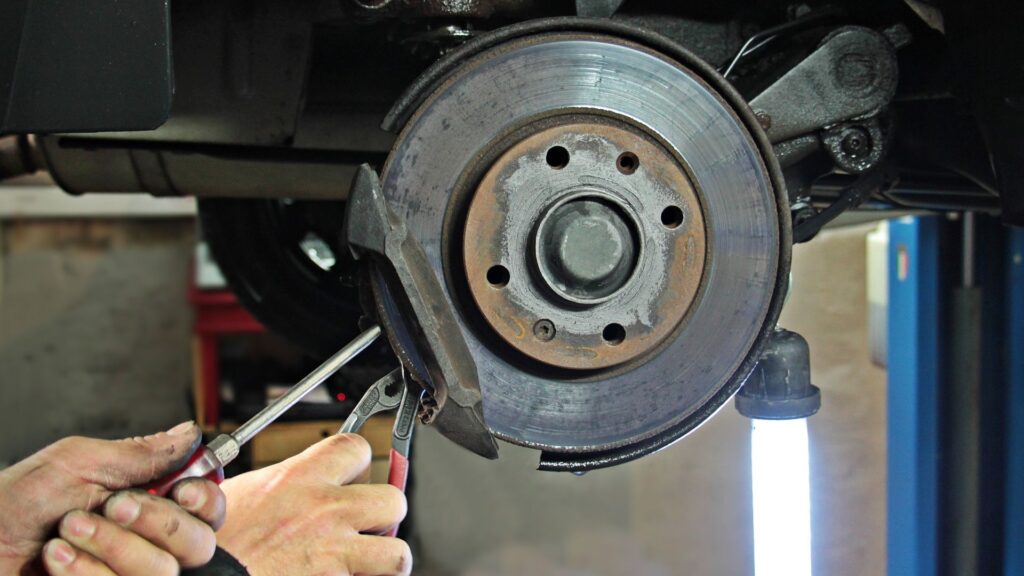
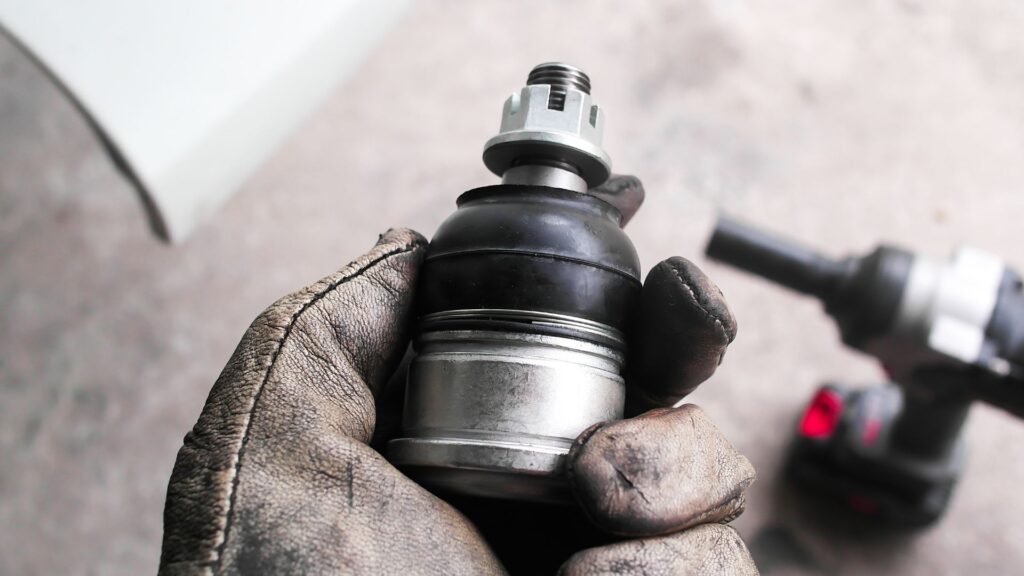
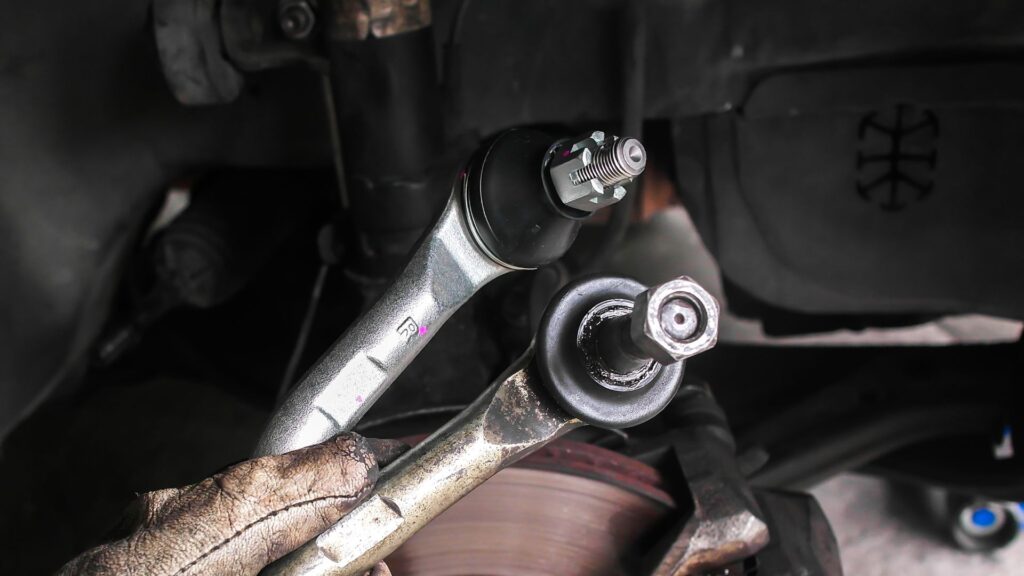
Steering Wheel Shakes When Braking? Here’s What’s Causing It and How to Fix It Fast You’re driving along, everything feels fine, and then you hit the brakes. Suddenly, the steering wheel starts to shake. Maybe it is subtle at lower speeds. Maybe it is intense at highway speeds. Either way, it is unsettling. If your steering wheel shakes when braking, your car is trying to tell you something. The good news is that this problem is common, diagnosable, and fixable. Let’s break down what causes a steering wheel shake when braking, what it means for your braking system, and how to restore smooth driving in Henry County, IN. Why Does My Steering Wheel Shake When Braking? When you apply the brakes, several components work together. In most modern cars with disc brakes, the brake pad clamps down on a spinning rotor. That friction slows the wheel and brings the vehicle to a stop. If something in that system is uneven, damaged, or worn out, it can cause vibration. That vibration travels through the suspension and steering components and ends up in your hands. In simple terms, a steering wheel shake when braking usually points to an issue in the front brakes or front suspension. The Most Common Causes of Shaking When You Brake There are several common causes of a shaking steering wheel. Some are minor. Others require more immediate attention. Warped or Worn Rotors This is by far the most frequent issue we see. Your rotor is the smooth metal disc that your brake pad presses against. Over time, intense heat from hard braking can cause the rotor to warp slightly. It does not take much distortion to create a noticeable wobble. When rotors are warped, the brake pads against the rotors do not make even contact. Instead of a smooth stop, you feel a pulsing sensation in the brake pedal and a steering wheel shake. In some cases, worn rotors develop thickness variation, which is technically called runout. That uneven surface can cause vibration, especially at higher speeds. If you are thinking, “My car shakes when you brake hard,” worn or warped rotor surfaces are likely to blame. Worn Brake Pads or Uneven Wear Worn brake pads or pads that wear unevenly can also create problems. If the pads and rotors are not wearing evenly, you may feel the steering wheel shake when you slow down. Sometimes worn brake pads begin to squeal before they create bigger issues. Other times, you might only notice it when you hit the brakes at highway speeds or even at lower speeds in traffic. If you recently had brake pads replaced but reused worn rotors, that mismatch can also cause vibration. Sticking Brake Caliper Your caliper holds the brake pads and squeezes them against the rotor. Inside the caliper is a piston that uses hydraulic pressure from the brake fluid to create a clamping force. If the caliper sticks due to corrosion or dirty caliper pins, it may apply uneven pressure. That can cause pads to wear unevenly and make the vehicle pull to one side during braking. A sticking caliper can also overheat a rotor, leading to a warped rotor and more shaking when you apply the brakes. Suspension Problems in the Front End Sometimes the issue is not just the brake components. Worn suspension components like ball joints, tie rods, a strut, or control arm bushings can allow extra movement in the front wheels. If you already have slightly worn rotors, worn suspension can amplify the movement and cause noticeable steering shake. The car suspension and steering systems are closely connected. Even a tired bushing or worn-out ball joint can make the steering feel unstable during braking. If your car shakes when you brake and also feels loose over bumps, suspension parts may be involved. Wheel or Tire Issues While brake issues are the usual suspect, a Tire problem or unbalanced Wheel can cause vibration that shows up more clearly when braking. A bent wheel or uneven tire wear can make the car vibrate at high speeds. If braking exaggerates the issue, your mechanic may need to rebalance the tires or check that everything is properly aligned. Wheel alignment does not typically cause shake only during braking, but it can contribute to uneven wear and instability. Why It Feels Worse at Highway Speeds At highway speeds or other higher speeds, everything in your vehicle is spinning faster. If there is even a slight rotor runout or thickness variation, the frequency of the vibration increases. That is why many drivers say, “It is fine at low speeds, but the wheel shakes when I brake on the highway.” The faster the disc spins, the more obvious the problem becomes. How Professionals Diagnose the Problem At Don & Joe’s Auto Service in Henry County, IN, diagnosing a steering wheel shake is about more than guessing. A technician will: Inspect front brakes, including the front rotors and brake pads Measure rotor thickness and check for runout Examine caliper pins and caliper piston operation Inspect the front suspension for worn suspension components like tie rods and ball joints Check the mating surface where the rotor meets the hub Sometimes, machining the rotors can correct minor issues. In many cases, replacing worn rotors with new rotors is the better long-term solution. Often, replacing rotors and pads together ensures even contact and smooth driving. If deeper issues are suspected, advanced computer diagnostics can help identify related problems in the vehicle’s braking system. Repair Options: What Fixes the Shake? The right repair depends on the cause. You may need: Resurfacing or machining the rotors Replacing brake rotors that are warped Installing new pads and rotors as a matched set Servicing or replacing a faulty caliper Repairing worn suspension components in the front suspension In cases involving an Accident or severe heat damage, additional parts may require attention. The goal is to restore safe, balanced braking and eliminate vibration. For trusted suspension and brake repair, working with experienced

Steering Wheel Shakes When Braking? Here’s What’s Causing It and How to Fix It Fast Read More »

Why Does My Car Feel Different After an Oil Change? What’s Normal and What’s Not

Why Does My Car Feel Different After an Oil Change? What’s Normal and What’s Not

Why Does My Car Feel Different After an Oil Change? What’s Normal and What’s Not You pick up your car after an oil change, pull out of the lot, and something feels different. Maybe it’s smoother. Maybe it’s quieter. Or maybe it feels a little off, and you can’t quite explain why. If you’ve ever wondered whether that change is normal or a sign of trouble, you’re not alone. At Don & Joe’s Auto Service in Henry County, IN, this is one of the most common questions we hear. Let’s break down what’s really happening inside your engine, what’s perfectly normal, and when it’s time to take a closer look. Why Your Car Can Feel Different After an Oil Change Motor oil does more than most drivers realize. It cools, cleans, and most importantly, lubricates the moving parts inside your engine. When you swap out old oil for fresh oil, you are changing the way hundreds of metal surfaces interact. Over time, oil can degrade. Heat, fuel dilution from short trips, and contamination from combustion all take a toll. Old oil thickens, collects varnish, and loses some of its ability to reduce friction between parts like the camshaft, piston rings, bearings, and hydraulic tappet assemblies. When you add new oil and a new filter, you are restoring proper lubrication. That alone can change how the engine behaves on your first drive. What’s Normal Immediately After an Oil Change If your car feels smoother or slightly different immediately after an oil change, that is usually a good sign. Here is what drivers in Henry County commonly notice: A Smoother or Quieter Engine Clean oil flows more easily than old oil, especially if the oil viscosity matches what your manufacturer recommends, such as 0w20 or 5w20. Synthetic oil or full synthetic formulas like Mobil 1, Castrol, Pennzoil, or Valvoline are designed to handle heat and maintain stable lubrication. With proper engine oil circulation, the metal surfaces in your engine experience less friction. Less friction can mean less noise and reduced NVH, which stands for noise, vibration, and harshness. Some drivers describe their engine as running quieter or smoother after service. In many cases, that is completely normal. A Slight Boost in Responsiveness When friction is reduced and oil in the engine is circulating properly, internal components like bearings and the camshaft can operate more smoothly. You may notice that your engine feels more responsive when accelerating. Sometimes that improved feeling also stems from restoring proper oil pressure with a clean oil filter. A clogged filter can slightly restrict flow. Installing a new filter restores optimal circulation and helps the engine breathe and function as designed. Improved Fuel Efficiency or Gas Mileage Oil affects fuel economy in automobiles more than people think. When moving parts are properly lubricated, the engine works less to overcome resistance. That can translate into a small bump in gas mileage or fuel efficiency, especially if you were overdue for service. Do not expect dramatic changes, but subtle improvements are possible over the miles after an oil change. The Placebo Effect Is Real We have to talk about the placebo effect. When you spend money on maintenance and expect improvement, your brain can amplify small differences. The placebo effect does not mean you are imagining everything, but it can magnify what are actually small changes. Sometimes the car always feels better because you expect it to. That is not a bad thing. It just means perception and mechanics can overlap. Why Oil Makes Such a Big Difference Inside the Engine To understand why your car feels different, it helps to understand what oil does at a mechanical level. Inside your engine, you have pistons moving up and down, a camshaft opening and closing valves, hydraulic tappet systems managing valve clearance, and bearings supporting rotation. All of these components generate heat and friction. Oil forms a thin protective layer between metal parts. That lubrication layer prevents direct metal-to-metal contact. Without it, parts like the piston rings and bearing surfaces would wear rapidly. As oil ages: Additive packages break down Contaminant particles accumulate Fuel dilution from gas seeping past the rings can thin it Heat causes oxidation Sludge and varnish can build up Once oil starts to degrade, its ability to lubricate effectively decreases. When you change the oil, you are refreshing that entire system. What’s Not Normal After an Oil Change While most changes are positive, there are a few situations where something is not right. New or Louder Engine Noise If you hear new ticking, knocking, or unusual noise right after an oil change, do not ignore it. Possible causes could include: Incorrect oil viscosity compared to the manufacturer’s specs Oil level too low or too high Oil filter not installed correctly Oil pressure issues For example, if your car calls for 0w20 and a thicker oil was used instead, it could affect how quickly the hydraulic tappet or VVT system receives lubrication. On the other hand, if the oil used is too thin for your engine’s design, pressure may not build correctly. A quick check of the dipstick can tell you if the level is within range. If you are unsure, it is always smart to have professionals look it over. Oil Leaks or Burning Smell After an oil change, you should not see puddles on your driveway or smell burning oil. A small amount of smoke can occur if a bit of oil drips onto a hot exhaust component, but it should clear up quickly. Ongoing issues are not normal. Rough Running or Check Engine Light If the engine runs rough, stalls, or triggers a warning light, the problem may not even be the oil itself. Modern vehicles rely heavily on computer systems. An issue with a sensor, air filter, fuel system, or VVT timing control can pop up coincidentally. That is when advanced computer diagnostics can pinpoint the real cause. If your car struggles with shifting after service, that would fall outside the scope of

Why Does My Car Feel Different After an Oil Change? What’s Normal and What’s Not Read More »

How Long Do Car Batteries Last? What Affects Lifespan And Signs It’s Time To Replace Yours

How Long Do Car Batteries Last? What Affects Lifespan And Signs It’s Time To Replace Yours

How Long Do Car Batteries Last? What Affects Lifespan And Signs It’s Time To Replace Yours If you have ever turned the key and heard nothing but a weak click, you have probably wondered, how long do car batteries last? It is a fair question. Your battery is easy to forget about until the day your car will not start. Most drivers in Henry County, IN are surprised to learn that car batteries actually last a predictable amount of time. But that number is not the same for everyone. Your driving habits, the weather, and even the type of battery under the hood all matter. Let’s break down what affects your car battery life, how to spot trouble early, and when it is time for a battery replacement. What Is the Average Vehicle Battery Life? For most drivers, the average vehicle battery life is three to five years. Many batteries typically last at least three to four years under normal driving conditions. That is a general range for a standard 12-volt vehicle using conventional lead-acid batteries. However, car battery lifespan depends on more than just time. Some quality batteries offer better durability and battery longevity. Others may struggle if the vehicle’s electrical system is under heavy strain. If your battery is three or more years old, it is smart to start paying close attention to how it behaves. What Affects How Long a Car Battery Lasts? When customers ask how long a car battery lasts, we explain that there is no single answer. Several factors directly influence battery life expectancy and overall service life. Weather and Temperature Extreme temperatures are one of the biggest factors. Hot weather is particularly hard on a Lead-acid battery. Heat can cause battery fluid to evaporate and weaken the internal battery chemistry. Weather can also impact performance in winter. Cold temperature reduces a battery’s ability to deliver enough electric current to the starter. That is why a bad battery often shows up on a freezing morning in Henry County, IN. Climate matters. In areas with frequent temperature swings, battery components expand and contract. Over time, this affects the construction and internal chemistry of the electric battery. Driving Habits and Short Trips Your driving habits play a bigger role than many people realize. Short trips do not allow enough time to fully recharge the battery. Each time you start the engine, the battery provides a burst of energy. If you constantly drive your car for only a few minutes, the alternator may not fully charge the battery. Repeated short trips shorten battery life and also reduce battery life overall. Electrical Load and Modern Technology Today’s cars rely on a lot of electrical features. Headlamps, screens, safety systems, heated seats, and electronics all draw electricity. When you power on when the ignition is engaged, the battery feeds energy into the electrical system. Vehicles with a start-stop system place even more demand on the battery pack. That extra demand can affect battery life expectancy. For hybrid vehicles and electric vehicle battery systems, the setup is different. Models like the Toyota Hybrid electric vehicle, Tesla Model S, Tesla Model 3, and Audi e-tron use advanced Lithium-ion battery technology with higher energy density. Lithium-ion batteries are designed for long-term energy storage and high efficiency, but even they have a defined lifespan. In comparison, conventional lead-acid batteries and AGM batteries are common in gas-powered vehicles. AGM batteries use absorbent glass mat technology, sometimes referred to as a VRLA battery. These batteries offer improved durability and resistance to Vibration. Vibration, Corrosion, and Road Conditions Rough road conditions, potholes, and vibration can physically damage the battery’s internal plates. Over time, this can cause a short circuit inside the battery. Corrosion on battery terminals is another common issue. A dirty terminal can interfere with voltage flow and strain the charging system. If you see white or blue buildup, it is often corrosion, which can sometimes be cleaned carefully using a mixture of Water and Sodium bicarbonate. Poor Maintenance and Charging Problems Your battery does not work alone. It is part of the vehicle’s starting and charging systems. If the alternator is weak, it may not properly charge the battery. A faulty charging system can lead to a failing battery or even complete battery failure. In some cases, drivers attempt to recharge a dead battery with a battery charger, only to discover the battery isn’t holding a charge because internal damage has already occurred. Regular inspections during routine preventative maintenance services can catch these problems early. Types of Automotive Battery Options Not all automotive battery designs are the same. Depending on your make and model, your car may use: Either conventional lead-acid or AGM batteries Conventional lead-acid for basic models Absorbent glass mat for vehicles with more electronics Lithium-ion batteries in hybrid or electric car applications Conventional lead-acid batteries are common and affordable. AGM batteries offer better resistance to vibration and spill protection. A rechargeable battery in hybrid systems may be a Nickel–metal hydride battery or a lithium-ion battery, depending on the manufacturing and factory design. The best car for you is not about the battery type alone. It is about matching the correct design to your vehicle’s needs. Always check your owner’s manual before installing a new battery or replacement battery. Using the wrong type can shorten battery life and reduce efficiency. Battery Warning Signs You Should Not Ignore A failing battery usually gives clues before it quits completely. Pay attention to these battery warning signs: Slow engine crank Flickering headlamp The battery light illuminated on the dashboard Clicking sound at startup Needing frequent jump-starts If the battery light comes on, it may indicate a problem with the battery or the charging system. Sometimes the issue is deeper within the electrical system. A professional battery test can confirm whether you need a new car battery or if the problem lies elsewhere. How to Help Your Battery Last Longer If you want your battery to last as long as possible, a few habits can

How Long Do Car Batteries Last? What Affects Lifespan And Signs It’s Time To Replace Yours Read More »

How Often to Change Spark Plugs (And the Signs You Shouldn’t Ignore)

How Often to Change Spark Plugs (And the Signs You Shouldn’t Ignore)

How Often to Change Spark Plugs (And the Signs You Shouldn’t Ignore) If you have ever wondered how often to change spark plugs, you are not alone. For many drivers in Henry County, IN, spark plugs are out of sight and out of mind until something feels off. The car hesitates, the engine misfires, or the check engine light suddenly comes on. The truth is, your spark plug plays a small but powerful role inside your engine. When it starts to fail, your whole vehicle feels it. Let’s break down when spark plugs need attention, how to spot trouble early, and why staying ahead of the problem can save you money and protect your engine long term. What Does a Spark Plug Actually Do? Inside every internal combustion engine, your spark plug has one job – to ignite the mixture of fuel and oxygen in the combustion chamber. It uses high-voltage electricity from the ignition coil to create an electric spark between its electrode and ground strap. That tiny electric arc ignites gasoline, creating controlled combustion. This combustion pushes the piston down, turning the crankshaft and generating the energy that moves your car forward. Spark plugs contain a center electrode, typically made with materials like copper, platinum, or iridium, designed to handle extreme heat and electrical resistance and conductance. Over time, carbon buildup, oil contamination, and general wear reduce their ability to produce enough spark. When that happens, your engine may misfire, idle roughly, and lose fuel economy in automobiles. How Often Should You Change Spark Plugs? The honest answer? It depends on the vehicle. Many older vehicles require a spark plug change every 30,000 miles. Today, modern designs last much longer. Iridium spark and platinum plugs are built to handle higher heat and last longer than traditional copper plugs. As a general guideline: Standard copper plugs: replaced every 20,000 to 30,000 miles Platinum plugs: replaced every 60,000 miles Iridium plug designs: can reach 80k miles or even 100k Some manufacturers even recommend replacement every five years, regardless of mileage. But should you change them exactly? The real change interval depends on your make and model, your driving habits, and the specific type of spark plug installed from the factory. Your maintenance schedule is the best place to start. If you drive a Toyota, for example, many models come equipped with iridium spark components that can approach 100k. Other vehicles may wear out faster, especially if driven in stop-and-go traffic around Henry County. If you are unsure and want to know how often to change spark plugs in your specific vehicle, a trusted mechanic can check the service history and inspect the set of spark plugs directly. Signs Your Spark Plugs Need Changing Sometimes plugs need to be changed before the recommended interval. Spark plugs are usually tough, but they are not indestructible. Here are warning signs you should not ignore: Trouble Starting or Hard to Start If your car is hard to start, your spark plug may not be creating enough spark to ignite the air and fuel mixture. This forces your electric battery to work harder and puts strain on your ignition system. Rough Idle or Engine Misfires A rough idle feels like shaking or vibration when your car is sitting still. Engine misfires occur when one cylinder does not fire correctly, often due to faulty spark plugs. Even one plug failing can cause a noticeable misfire and reduced acceleration. Check Engine Light Your check engine light may illuminate if the ignition system detects irregular combustion events. Modern vehicles monitor speed, fuel injection, oxygen levels, and more. When a plug malfunctions, sensors often catch it quickly. You might need advanced computer diagnostics for your vehicle to pinpoint the exact cause. Poor Fuel Economy Worn spark plugs can lead to poor fuel economy because incomplete combustion wastes gas from your tank. That inefficiency can lead to higher fuel costs and reduced overall fuel economy. Over time, that adds up. Sluggish Acceleration If your car feels slower getting up to speed, worn spark plugs may be to blame. Weak combustion reduces available power and affects how smoothly the engine runs. If you notice any of these symptoms, it is a good idea to check your plugs sooner rather than later. What Happens If You Wait Too Long? Spark plugs aren’t expensive compared to many other auto parts. But ignoring them can cause damage, that is. Old spark plugs that begin to wear can increase electrical resistance. That added strain may damage your ignition coils or distributor. In severe cases, it can even cause engine knocking. When combustion is incomplete, excess carbon can build up in the combustion chamber. That buildup may damage your engine or lead to poor engine performance. Sometimes, faulty spark plugs may even allow unburned fuel to enter the exhaust system. If you delay service long enough, you might be looking at more costly repairs than a simple spark plug change. Understanding Different Spark Plug Materials Not all plugs are the same. The material at the electrode tip determines how long they last and how reliably they ignite fuel. Copper plugs conduct electricity well but wear out faster. Platinum plugs offer improved durability over copper. Platinum plugs and iridium plug versions resist wear thanks to tough metals like iridium and sometimes tungsten. Iridium spark designs often last much longer and handle high voltage efficiently. Choosing the correct type of spark plug depends on the original manufacturer’s recommendation. Installing the wrong type can affect performance and longevity. Can You Change Spark Plugs Yourself? If you are handy, you can change plugs at home. But it is not as simple as it sounded years ago. Modern engines often place plugs deep inside the spark plug well, sometimes under intake components or near sensitive electrical connector systems. You may need to remove the plugs carefully to avoid stripping threads in the cylinder head. You will also want the correct gap setting on each new plug. Improper installation can cause

How Often to Change Spark Plugs (And the Signs You Shouldn’t Ignore) Read More »

How Long Does A Tire Rotation Take? What to Expect At The Shop

How Long Does A Tire Rotation Take? What to Expect At The Shop

How Long Does A Tire Rotation Take? What to Expect At The Shop If you have ever asked, how long does it take to rotate your tires? You are not alone. Most drivers in Henry County, IN, know tire rotation is important, but they are not always sure how much time to set aside or what actually happens during the service. The short answer is simple. A standard tire rotation typically takes about 15 minutes to 45 minutes at a professional shop. But there is more to it than just swapping a tire and wheel from one spot to another. Let’s break down what really affects the time, what to expect in the service bay, and whether you should rotate your tires at home or leave it to a technician. How Long Does a Tire Rotation Take at a Shop? In most cases, a tire rotation takes about 30 minutes. If the shop is busy or your vehicle requires extra inspection, it could take closer to an hour. The exact time depends on a few things: Your vehicle type, such as front-wheel drive, rear-wheel drive, or all-wheel drive The type of tire rotation required Whether tire balancing or a brake inspection is needed If it is combined with an oil change If you come in for an oil change and tire rotation together, the whole visit may take 45 minutes to an hour. Combining services saves time and keeps your vehicle maintenance on schedule. At Don & Joe’s Auto Service in Henry County, IN, we use proper torque specs on every lug nut and double-check tire pressure before your car leaves the service bay. That attention to detail adds a few minutes, but it helps protect your vehicle and ensures safety. What Happens During a Tire Rotation? A tire rotation is more than just moving tires around randomly. Tires move based on a specific pattern designed to promote even wear. Here is what typically happens when getting your tires rotated: The vehicle is safely lifted. Each tire and wheel is removed by loosening the lug nuts. The tires are moved according to the correct rotation pattern. Lug nuts are tightened to the manufacturer’s torque specifications. Tire pressure is checked and corrected. A quick inspection may be performed on brakes and car suspension components. This process helps the tires wear more evenly and extends the life of your tires. Why Tire Rotation Matters More Than You Think Your front tires often wear faster, especially on a front-wheel drive car. That is because those tires handle steering, braking, and much of the vehicle’s weight. On rear-wheel drive or 4-wheel drive vehicles, the wear patterns are different. Rear tires to the front might be moved differently depending on the setup. All-wheel drive systems require regularly rotating your tires to protect the drivetrain and avoid uneven tire wear. If tires are not rotated on schedule, you may notice: Uneven tread wear Road noise Vibration Poor handling Reduced tire life Regular tire rotation helps your tires wear evenly, improves fuel efficiency, and often leads to a smoother ride. Different Types of Tire Rotation Patterns The type of rotation depends on your vehicle and the type of tires installed. Common patterns include: Forward Cross Typically used for front-wheel drive vehicles. The front tires move straight back, and the rear tires cross to the front. Rearward Cross Often used for rear-wheel drive. The rear tires move straight forward, and the front ones cross when moved to the back. X Pattern All four tires are crisscrossed from left to right and front to rear. Directional tires and staggered setups change the rules. Some tires, based on their design, can only spin in one direction. In that case, the rotation is limited to left to right on the same axle. If you are unsure, refer to your owner’s manual or ask a professional. The right type of tire rotation protects tread wear and ensures even wear. How Often Should You Rotate Your Tires? Most manufacturers recommend you rotate your tires every 5,000 to 7,500 miles. A good reminder is to get the tires rotated when you get an oil change. A consistent rotation schedule prevents uneven wear and protects your tire balance. Think of it as basic vehicle maintenance that saves money long term. If you recently installed new tires, it is especially important to start a regular tire routine early. Early rotations protect tire tread and reduce the risk of having to rebalance them too often. Not sure if it is time to rotate? Learn the signs like vibration, pulling to one side, or visible uneven tire wear. Can You Rotate Tires at Home? Yes, but it takes preparation. If you plan to rotate tires yourself, you will need: A jack and a jack stand A lug wrench A torque wrench A safe parking surface Rotating the tires at home can take an hour, especially if you are unfamiliar with the process. You must tighten every nut correctly and follow the right pattern for your specific vehicle. Many drivers start the job and then realize they need professional help to complete a tire rotation safely. In a professional service bay, the job typically takes less time to rotate and includes an inspection. A trained technician also checks for tread wear, brake issues, and car suspension concerns that could affect tire wear. Does Tire Rotation Include Tire Balancing? Not always. Tire balancing corrects weight distribution around the wheel to prevent vibration. If a shop notices uneven wear patterns or vibration complaints, they may recommend a rebalance or a full tire balance service. A rotation alone moves the tires so they can wear more evenly. Balancing is a separate process, though both benefit tire wear and better fuel. What About Quick-Service Shops? You might wonder how this compares to a place like Jiffy Lube. While quick-service centers can handle basic maintenance, it is important that your vehicle receives a proper inspection, especially if it is due for suspension and

How Long Does A Tire Rotation Take? What to Expect At The Shop Read More »

Car Overheating In Idle? Fix The Real Causes Before They Wreck Your Engine

Car Overheating In Idle? Fix The Real Causes Before They Wreck Your Engine

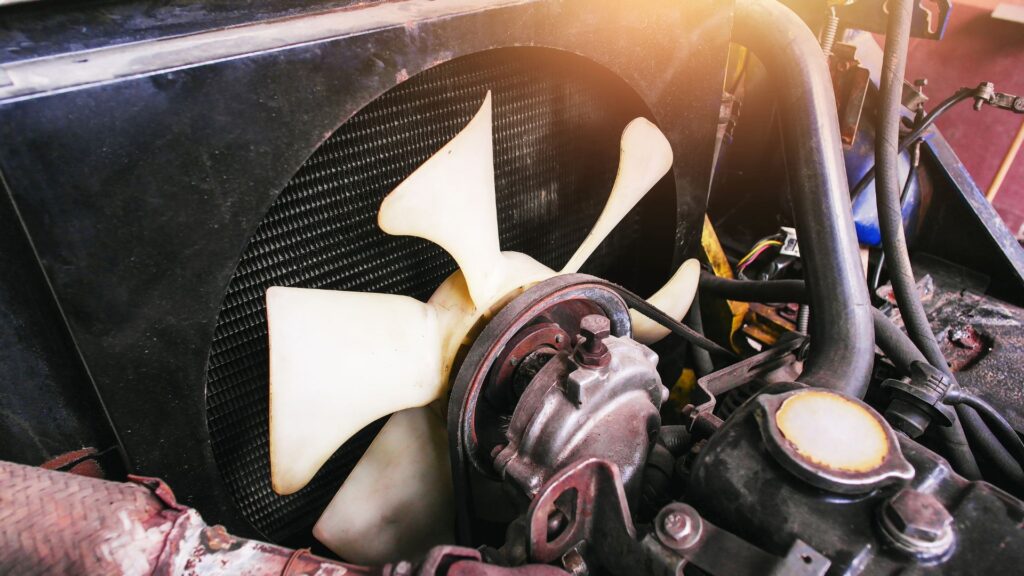
Car Overheating In Idle? Fix The Real Causes Before They Wreck Your Engine You are sitting at a stoplight or in a drive-through, and suddenly you notice the temp gauge starting to rise. The car is fine on the highway, but the moment it starts to idle, the needle creeps toward hot. If your car overheat problem only shows up at a standstill, that is not something to ignore. Overheating at idle is often a warning sign that something inside your engine cooling system is not working the way it should. If left alone, engine overheating can turn into warped parts, a blown head gasket, or even complete engine failure. Let’s break down what is really happening and how to fix it before serious damage sets in. Why Does a Car Overheat While Idling? When you are driving at normal speed, airflow moves naturally through the radiator. That airflow helps cool the hot coolant as it circulates through the engine. But when you idle, the vehicle is not moving. There is very little natural airflow. At that point, your cooling system relies heavily on the radiator fan, proper coolant flow, and system pressure to keep temperatures under control. If something in that chain fails, your car can overheat while idling. Common Causes of Overheating at Idle There are a few common causes we see repeatedly at Don & Joe’s Auto Service in Henry County, IN. Cooling Fan Problems The cooling fan or radiator fan is critical when your car is not moving. This fan (a mechanical or electric fan machine) pulls air through the radiator to cool the fluid inside. If the cooling fan is not running, you may overheat while idling, but be fine at higher speeds. Possible reasons include: A blown fuse A bad relay A faulty fan motor A problem with the temp sensor or ECU Your vehicle relies on a sensor to tell the fan when the engine temperature rises. If that sensor or relay fails, the fan will not kick on. Low Coolant or Coolant Leaks Low coolant is one of the most overlooked reasons a car overheating issue starts. If there is not enough coolant in the radiator or coolant reservoir, heat cannot transfer properly. Coolant leaks can come from: A worn hose or radiator hose Cracked coolant hoses A damaged radiator A failing water pump A small leak at a gasket Even a small drip can lower the coolant level over time. You might notice steam, white smoke from the pipe, or the sweet smell of antifreeze. That is a clear indication that something is wrong. Thermostat Stuck Closed The thermostat controls when coolant can circulate through the engine. If it sticks shut, the hot coolant cannot move into the radiator to cool down. When coolant cannot circulate, it can quickly boil inside the engine. This often causes a sudden overheating situation, even if everything else seems fine. Radiator Issues or Clogs The radiator (engine cooling component) must allow coolant flow freely. Over time, internal corrosion can corrode metal passages. Dirt and debris can also clog the cooling fins. A clog reduces airflow and limits heat transfer. If your radiator cap is not holding proper psi, system pressure drops, and coolant can boil at a lower temperature. A damaged radiator or a weak radiator cap can easily lead to engine overheating. Water Pump Failure The pump is what pushes coolant through the engine and radiator. If the water pump is worn or its fan belt is loose or broken, coolant flow slows down. Without steady movement of water and coolant, the Engine builds heat fast, especially during idle or extended period stops. What To Do If Your Car Starts To Overheat at Idle If you notice the temp gauge rising: Turn off the AC and turn on the heater to pull heat away from the engine. Let the car idle briefly while watching the gauge. If the temperature continues to rise, shut it off and let the car cool down. Never open a radiator cap while hot coolant is under pressure. It can cause serious burns. Check the coolant reservoir once things cool down. If the coolant level is low, adding coolant may help temporarily, but that does not fix the underlying problem. If you see repeated low coolant, steam, or white smoke, take it to a mechanic as soon as possible. Could It Be a Head Gasket? A blown head gasket is more serious, but it can start with overheating at idle. Signs include: White smoke from the pipe Coolant mixing with oil Constant loss of enough coolant Bubbling in the radiator The head gasket seals the engine block and cylinder head. When it fails, heat and pressure escape. If not addressed quickly, you may end up with a blown head situation that requires full professional engine repair services. If you suspect internal damage, get it fixed immediately. Why Proper Diagnostics Matter Modern vehicles from Chrysler, Dodge, Jeep, and Ram Trucks rely on multiple sensors and the ECU to manage temperature and cooling fan operation. A failed temp sensor or electrical fault will not always be obvious. That is where advanced computer diagnostics testing becomes critical. It allows experienced mechanics to see exactly what the cooling system and sensor network are doing in real time. At Don & Joe’s Auto Service in Henry County, IN, we use state-of-the-art equipment to pinpoint the issue instead of guessing. Prevent Overheating Before It Starts The best way to avoid overheating at idle is regular inspection of your cooling system. During routine preventative maintenance services, technicians check: Coolant condition and antifreeze strength Radiator hose and coolant hoses’ integrity Radiator cap pressure Fan belt condition Water pump operation Proper bleed procedures to remove air pockets Air pockets trapped in the coolant system can disrupt coolant flow and create hot spots. A proper bleed ensures smooth circulation and stable engine temperature. If your system has developed a leak or clogged passages, professional auto heating and cooling system

Car Overheating In Idle? Fix The Real Causes Before They Wreck Your Engine Read More »

How Often to Change Transmission Fluid (And What Happens If You Don’t)

How Often to Change Transmission Fluid (And What Happens If You Don’t)

How Often to Change Transmission Fluid (And What Happens If You Don’t) Keeping your vehicle’s transmission running smoothly isn’t just about keeping it clean; it’s about knowing when to care for it. One of the most common questions we hear at Don & Joe’s is: how often to change transmission fluid? It’s a fair concern. If you’re confused, you’re not alone. Why Transmission Fluid Matters More Than You Think Your transmission fluid plays a big role in keeping your transmission, whether automatic or manual, in good shape. It acts as a lubricant, coolant, and hydraulic fluid, helping gears shift effortlessly and preventing wear on internal components.  Over time, though, it collects sludge, moisture, and contaminants, which can reduce its ability to lubricate and cool. If ignored, the fluid can also degrade, oxidize, and turn into a thick, varnish-like mess that causes friction, grind, and even full-on transmission failure. When and Why to Change the Transmission Fluid So, how often should I change my transmission fluid? The answer depends on several factors: your vehicle’s make, whether it’s automatic or manual, how you drive, and what you use the car for. General Fluid Change Interval Most manufacturers recommend changing the transmission fluid every 50,000-100,000 miles (about 80,000-160,000 km). Your owner’s manual will give a more precise drain interval. As a rule of thumb, if you tow, haul, or drive in high heat, you may need a fluid change more often. Signs Your Car Needs a Fluid Change Ignoring a needed transmission fluid change can result in a lot of headaches. Watch for these signs: Delayed or hard shifts Slipping gears A low transmission fluid warning Burning smell or discolored old fluid Fluid leak under your car The importance of checking your transmission fluid regularly is key. You need to check the fluid for color, level, and smell. If it’s dark, burnt-smelling, or low, it’s time to act. Automatic vs Manual Transmission Needs Automatic transmission fluid is exposed to more heat generated by constant gear changes, so it may need more frequent attention. With a manual transmission, especially one paired with a clutch, a longer interval between fluid changes may be possible – but don’t ignore it altogether. Manual fluid may still get dirty from clutch friction or driving conditions, especially if you tow or haul. Transmission Flush or Fluid Change? A fluid change removes about half of the fluid – what’s in the pan. A transmission flush, done by a professional mechanic, replaces nearly 100%. Not all vehicles benefit from a flush, so it’s best to follow your manufacturer’s recommendation and talk with a local automotive expert. What Happens If You Skip It? Failing to change your transmission fluid can lead to: Harsh or delayed shifts Slipping between gears Internal damage that can rack up a huge repair bill Voiding your vehicle’s warranty Poor fuel economy in automobiles In the worst-case scenario, you may need to change the transmission entirely. How Don & Joe’s Can Help If you’re unsure about your car’s needs, or it’s been a while since you had routine transmission service, stop by Don & Joe’s for a professional opinion. We’re proud to serve Henry County, IN, with trusted automotive maintenance, including professional transmission repair services. We inspect for leaks, check the fluid, and offer recommended transmission fluid types, including synthetic and detergent-rich blends based on your vehicle’s spec. Regular Maintenance = Peace of Mind At the end of the day, being proactive with your transmission fluid changes can: Reduce wear Improve engine performance Give you peace of mind, especially before a long trip or stressful towing and hauling If you’ve never had a second chance or don’t know your last oil change interval, it’s time to revisit the service section of your owner’s manual. Whether you drive a Subaru, GMC, or anything in between, we’re here to help. Take a moment today to ask: When was the last time I checked my transmission fluid? Don’t wait for signs of trouble. Your car – and your wallet – will thank you. Call us now.

How Often to Change Transmission Fluid (And What Happens If You Don’t) Read More »

How Often to Change Brake Fluid: Stay Safe with This Simple Guide

How Often to Change Brake Fluid: Stay Safe with This Simple Guide

How Often to Change Brake Fluid: Stay Safe with This Simple Guide Your brakes are one of the most important safety systems on your vehicle, but many drivers aren’t sure how often the brake fluid needs attention. It’s an easy detail to overlook, especially when compared to something like an oil change. But make no mistake: your brake fluid plays a critical role in how well your car stops. Let’s walk through what brake fluid is, why it matters, and most importantly, how often to change it to keep your brake system safe and reliable. What Is Brake Fluid and Why Does It Matter? Brake fluid is a hydraulic fluid that operates under pressure inside your brake system. When you press your brake pedal, the fluid transfers that pressure through the brake lines to the brake calipers, which push the brake pads against the disc brake rotors. This action slows down your wheels and stops your vehicle. In short: no brake fluid, no brakes. But here’s the catch, brake fluid is hygroscopic, meaning it absorbs moisture from the air over time, even in a sealed system. Too much water content in the fluid can lead to several serious issues: Reduced boiling point, especially during heavy brake work, where heat builds up Internal rust and corrosion of key brake parts Decreased braking performance o,r in rare cases, total brake failure So even though your brake fluid may be “out of sight, out of mind,” it’s critical to change the fluid at the right intervals. How Often to Change Your Brake Fluid The big question: how often should you really change the brake fluid? Follow the Manufacturer’s Recommendations The best place to start is always your owner’s manual. Every type of vehicle has slightly different requirements depending on the design of the hydraulic brake system and the type of brake fluid used. Basic guidelines vary: Every 2 years or every 20,000 to 45,000 miles is a common recommendation Some cars may advise a brake fluid change every 3 years, regardless of mileage A few performance vehicles or cars with ABS modules suggest a fluid flush sooner If your year-old car has never changed its brake fluid, now’s a good time to check it. The Real World Answer: Change the Brake Fluid Every 2 to 3 Years As a general rule, we recommend you change your brake fluid every 2 to 3 years for most vehicles in the Henry County, IN area. This schedule helps keep the moisture content low, preventing damage to the master cylinder, calipers, brake lines, and reservoir. You may also need to replace your brake fluid more often if: You drive in high humidity You regularly haul heavy loads or tow trailers Your brake pedal feels soft or spongy Your mechanic finds fluid contaminated or dark Signs You Need to Change Your Brake Fluid You shouldn’t wait for a warning light to signal a problem. Most brake fluid reservoirs don’t trigger a dashboard alert when the fluid is pretty old or moisture-heavy. Here are some signs you need to change your brake fluid: Soft or “mushy” brake pedal Braking feels less responsive Visible dirt or discoloration in the fluid when checking the reservoir Low fluid level in the brake fluid reservoir You’ve had brake work recently or changed the brake pads If you’re unsure, a shop can test the moisture content using test strips or an electronic tester to confirm if the fluid should be changed. What Happens If You Don’t Replace Brake Fluid? Skipping brake fluid service doesn’t cause instant failure, but it can lead to long-term issues, like: Internal corrosion in the hydraulic system Damaged pistons in the caliper Leaking seals made from natural rubber Reduced stopping power as moisture lowers the boiling point of the fluid Costly damage to sensitive parts like ABS modules due to fluid contaminated by water or copper buildup Remember, fluid is cheap. Replacing brake parts due to neglect is not. Is It Really Necessary to Change Brake Fluid? Yes, it is really necessary. While you may not hear about it as often as an oil change, keeping fresh brake fluid in your system is just as essential. Because brake fluid absorbs moisture over time (since brake fluid is hygroscopic), flushed fluid keeps components clean, responsive, and long-lasting. Many drivers in Henry County are surprised to learn how many problems can be traced back to old brake fluid. How Mechanics Change the Brake Fluid Changing your brake fluid shouldn’t be a DIY job unless you’re confident with your manual skills and tools like a bleeder valve. It involves: Accessing the fluid in the master cylinder reservoir Attaching a bleeder to each brake caliper Draining old fluid while adding new brake fluid to keep air out of the system Ensuring all air is removed for proper pressure balance Checking for leaks in all brake lines A full system flush requires special care, especially if your vehicle has anti-lock braking systems (ABS) or dual front and rear disc brakes. It’s best left to professional technicians. Need help? Our expert team at Don & Joe’s can guide you. Check out our full suspension and brake repair services for top-notch support. Common Questions We Get Asked Is There a Simple Way to Test My Brake Fluid? Yes. A trained mechanic can use test strips or a brake fluid tester to measure moisture content and copper levels, which indicate internal wear. If the fluid is contaminated, it needs to be changed. What Type of Brake Fluid Does My Car Use? Different cars use different blends, like DOT 3, DOT 4, or DOT 5.1. Always consult your owner’s manual or follow OEM (original equipment manufacturer) guidelines. Can I Wait Until 100k Miles? Waiting until 100k miles isn’t recommended, even if the fluid “looks clean.” Moisture buildup happens over time. If your brake fluid hasn’t been changed every few years, you could be risking brake failure, especially under hard braking. Replace Brake Fluid Without the Hassle If you’re

How Often to Change Brake Fluid: Stay Safe with This Simple Guide Read More »

Unlock the Real Benefits of Tire Rotation for Better Safety & Savings

Unlock the Real Benefits of Tire Rotation for Better Safety & Savings

Unlock the Real Benefits of Tire Rotation for Better Safety & Savings If you’ve ever been told you need a tire rotation but weren’t exactly sure what it means or why it matters, you’re not alone. Many drivers scratch their heads when they hear “rotate your tires” during an oil change or maintenance check. But understanding the benefits of tire rotation can actually save you money and make your driving safer. Let’s break it down in plain terms so you can make smart decisions for your car and your wallet. What Is Tire Rotation? Tire rotation is the process of moving the tires from one position on your vehicle to another. This typically means shifting the front tires to the rear and vice versa, or even swapping them diagonally depending on the recommended rotation pattern for your vehicle. The goal? To make sure your tires wear evenly across all four tires and to extend the life of your tires. Why Is It Important to Rotate Your Tires? Rotating your tires isn’t just helpful – it’s essential. Each tire doesn’t wear the same because of how weight, motion, and drivetrain affect the car’s performance. For example: On front-wheel drive vehicles, the front tires wear faster because they handle steering, acceleration, and most of the braking. For rear-wheel drive or four-wheel drive vehicles, the wear patterns can differ based on how torque and traction are applied. If not rotated regularly, you’ll likely end up with uneven tire wear, which could lead to: Reduced traction, especially in wet or icy conditions Lower fuel economy Noisier rides Shorter tire life How Often Should You Rotate Your Tires? So, how often should you rotate your tires? It depends a bit on your driving habits and your vehicle type. But a good rule of thumb: tires should be rotated every 5,000 to 7,500 miles. For many, that’s about every other oil change. You can also check your owner’s manual for the exact interval that fits your car or ask a tire expert for personalized advice. Key Benefits of Tire Rotation Understanding the benefits of tire rotation can help prevent problems before they cost you. Here are some of the top advantages: Helps Tires Wear Evenly Rotating your tires may seem simple, but it has a big impact. Regular tire rotation helps tires wear evenly. Uneven tire wear shortens the usable life of a tire and may lead to one tire wearing faster than the others. When you move the tires from one axle to another or from one side to the other, it allows all four tires to wear at a similar rate, improving their lifespan and saving you money in the long run. Improves Fuel Efficiency Proper tire rotation can play a role in improving fuel economy in automobiles. Tires that are worn unevenly or improperly inflated create more rolling resistance. This forces your engine to work harder, which uses more fuel. Ensure your tires stay balanced and aligned with proper tire rotations to help maintain your car’s fuel efficiency. Promotes Better Handling Even tread wear gives you more consistent grip on the road, which affects steering and overall performance. Uneven wear can make your steering wheel pull or shake, especially at higher speeds. With tires worn evenly, you’ll enjoy smoother rides and more predictable handling under different road conditions. Extends Tire Life and Performance Tire rotation is an important part of preventative maintenance. By following the correct tire rotation interval, you’ll help manage tread wear, improve tire performance and help your tires last longer. Regularly rotating your tires is key to maximizing your investment in a set of new tires or your current ones. Reduces Risk of Blowouts and Flats Tires that wear unevenly aren’t just inefficient – they can become dangerous. When treads are worn down beyond safe limits, the risk of a blowout increases, especially on freeways or long trips. Keeping even tread wear helps detect any worn tires early and reduces this risk. Understanding the Right Tire Rotation Pattern The right rotation pattern for your vehicle depends on a few factors, including: Whether your car is front-wheel drive, rear-wheel drive, or 4WD The type of tire (directional vs. non-directional tires) Whether you have a full-size spare tire Any existing tire wearis  already present Common tire rotation patterns include: Rearward cross: Move the rear tires to the front and the front tires diagonally to the rear Forward cross: Move front tires to the rear and rear tires diagonally to the front X-pattern: All tires are moved diagonally For cars with directional tires (tires that are designed to rotate in only one direction), you might be limited to front-to-rear movement on the same side. Make it a habit to mark the tires when rotating so that it’s easy to know which tire is positioned where during the last service visit. Signs It’s Time to Rotate the Tires Not sure if you’re due? Here are a few signs you may need to rotate your tires: One tire is wearing faster than the others You hear unusual noises while driving The steering feels off or shaky Your mechanic recommends it during other services If any of these sound familiar, it may be time to get your tires rotated. A Look at Tire Rotation in Action Let’s say you drive a front-wheel drive vehicle. Your front tires do most of the hard work: turning, accelerating, and handling braking power. Over time, your front tires wear more quickly than the back ones. By rotating them, say by moving the rear tires to the front and the front tires to the rear, you distribute the wear more evenly. In a typical cross-rotation pattern, the left front tire is moved to the rear and possibly to the opposite side. If the tires are worn unevenly, a professional tire rotation service can bring back that balanced, smooth drive and prevent premature tire replacement. Combine with Other Preventative Services Tire rotation fits nicely into your car’s broader care routine. Think

Unlock the Real Benefits of Tire Rotation for Better Safety & Savings Read More »

Find Out How Often to Rotate Tires to Boost Safety & Extend Tread Life

Find Out How Often to Rotate Tires to Boost Safety & Extend Tread Life

Find Out How Often to Rotate Tires to Boost Safety & Extend Tread Life Understanding how often to rotate tires can feel overwhelming if you’re not sure where to start. But if you’re looking to extend the life of the tires, improve safety, and get more bang for your buck, tire rotation is key. Let’s break this down clearly and simply for every vehicle owner out there. Why Tire Rotation Matters for Car Maintenance Tire rotation is a crucial part of regular vehicle maintenance that ensures even tire wear. Over time, tires wear unevenly depending on their position on the vehicle. For example, if you drive a front-wheel drive car, your front tires wear down faster because they handle most of the steering and braking forces. By rotating your tires regularly, you help distribute friction evenly across all four tires. This means: Better traction Smoother rides Longer tread life Less noise and vibration Delayed need to get new tires When and How Often to Rotate Tires Most experts recommend rotating your tires every 5,000 to 7,500 miles. But always check your owner’s manual, as some vehicle manufacturers specify a different mileage interval or rotation pattern based on the type of tire or drive system. Rotations typically fall into two main intervals: Every 5,000 miles: Suitable for most vehicles, especially front-wheel drive cars. Every oil change: A convenient way to combine two important maintenance tasks. If you frequently drive on rough roads or carry heavy loads, you may need to rotate tires even sooner. Spotting Tire Wear and Understanding Wear Patterns It’s not just about mileage. Uneven wear patterns are a sign that it might be time for a rotation or even an alignment check. Watch for: Feathering: Edges feel smooth on one side, sharp on the other. Cupping: Bumpy wear pattern caused by suspension issues. Outer-edge wear: Often a result of underinflation or hard cornering. These patterns indicate that either your rotation schedule is off or you may need an adjustment, like a balance or alignment. How Tires Are Rotated: From Front to Back or Side to Side? Rotating tires isn’t just a matter of swapping them randomly. The rotation pattern depends on whether your tires are directional or non-directional and whether all tires are the same size: Front-wheel drive: Typically, front tires are moved to the rear axle on the same side, and rear tires are moved diagonally to the front. Rear-wheel drive or all-wheel drive: The pattern usually goes vice versa. Spare tire: In a five-tire rotation, the spare tire is rotated in so all four tires wear evenly. Tire rotation patterns matter, especially if you want to maintain even tread and consistent traction. Don’t Forget the Inspection During Your Rotation When you get your tires rotated, it’s smart to also: Inspect for worn tires or tread damage Check tire pressure and air pressure balance Look at tread depth across all four tires Examine brake components for wear Check for toe issues or other alignment problems Even if you’re not a technician, a trusted auto professional in Henry County, IN can perform these checks quickly and efficiently. They might even discover a need to align your wheels or replace a fresh tire that didn’t wear evenly with the others. Why Regular Tire Rotations Save You Money Letting your tires wear unevenly can cause you to replace them sooner than necessary. A regular tire rotation schedule helps reduce that risk, improves your vehicle’s performance, and can even boost mileage by lowering rolling resistance. If you’ve ever wondered, “When should I rotate my tires?” or “Do I really need to rotate my tires?”, the answer is yes. It’s a simple way to keep your vehicle and tires running at their best. For more expert advice on keeping your car in top shape, check out our regular preventative maintenance tips. Final Thoughts: Keep Your Vehicle Safe & Well-Maintained Tire rotation isn’t just about tires. It’s about taking good care of your car, staying safe on the road, and protecting your wallet. The next time you’re getting an oil change or noticing extra road noise, ask yourself: “Do I need to rotate my tires?” If your vehicle’s due, don’t wait. Rotate your tires today. Taking this small step plays a big part in your car maintenance plan and keeps your four tires working together for as long as possible. Call us now.

Find Out How Often to Rotate Tires to Boost Safety & Extend Tread Life Read More »

Schedule

Schedule Your Appointment Today

Your Automotive Repair & Maintenance Service Specialist

What Our Customers Say

Privacy Policy
Manage Consent Preferences
Do Not Share My Information | Conditions of Use | Notice and Take Down Policy | Website Accessibility Policy
© 2026 The content on this website is owned by us and our licensors. Do not copy any content (including images) without our consent.