
Blog

Your blog category

Why Is There a Sweet Smell in My Car? 7 Hidden Causes You Shouldn't Ignore

Why Is There a Sweet Smell in My Car? 7 Hidden Causes You Shouldn’t Ignore

Why Is There a Sweet Smell in My Car? 7 Hidden Causes You Shouldn’t Ignore You climb into your car, and something smells oddly pleasant – almost like maple syrup or candy. It seems harmless enough, but that sweet smell coming from your vehicle could be a warning sign you really should not brush off. Strange odors inside a car are your vehicle’s way of communicating that something is wrong. The sooner you pay attention, the better chance you have of avoiding a costly repair. What Does It Mean When Your Car Smells Like Maple Syrup? That syrupy smell is most commonly linked to coolant. Antifreeze contains ethylene glycol, which carries a distinctly sweet, maple-like scent. When your engine leaks coolant, the scent can enter the cabin through the ventilation system or waft up from under the hood. A coolant leak is not something to ignore. Leaking coolant can cause your engine to overheat, leading to serious and expensive damage over time. 7 Hidden Causes of a Sweet Smell in Your Car A Coolant Leak This is the most likely culprit. Coolant circulates through your engine, radiator, and heater core to regulate temperature. A crack in a hose, a damaged radiator, or a failing heater core can all allow coolant to escape and produce that sweet maple odor inside the cabin. A Leaking Heater Core If you smell something sweet, specifically inside the cabin, your heater core may be the source. The heater core is part of your car’s heating, ventilation, and air conditioning system. When it leaks, coolant can seep into the interior and coat the carpet with a sticky, fragrant residue. Overheating Engine An engine running too hot can cause nearby coolant lines to burn and release that familiar sweet scent. This situation needs immediate attention before further damage occurs. A Failing Catalytic Converter A malfunctioning catalytic converter can sometimes produce a smell that shifts between sweet and rotten eggs depending on exhaust conditions. If the scent changes or intensifies, get an inspection right away. Burning Rubber or a Slipping Belt A worn belt or rubber component under pressure can produce a smell that is part sweet, part burning rubber. This is a sign that something mechanical is slipping or overheating in the engine bay. Fuel System Issues Certain fuel mixtures or a leak in the fuel system can produce a sweet or chemical-like odor. This smell could indicate a serious safety issue, and the car should be checked promptly. Cabin Air Filter Buildup A clogged or moldy cabin air filter can trap organic material and release an unusual scent. Replacing the filter is simple, preventative vehicle maintenance that many drivers overlook. Is a Sweet Car Smell Toxic? Yes, it can be. Antifreeze is toxic to humans and animals. If you smell something sweet inside the cabin, do not assume it is harmless. Prolonged exposure to coolant fumes is a genuine health concern. When Should You See a Mechanic? If a sweet smell coming from your car does not go away after a day or two, it is time to consult a technician. Do not wait for the problem to grow. Many of these issues, left unchecked, lead to much higher repair bills down the road. A certified mechanic can diagnose the source accurately without guesswork. Whether you drive a truck, SUV, or sedan – and whether you bought it locally or elsewhere – expert help is available. At Don and Joe’s Auto Service in New Castle, IN, the team offers auto heating and cooling system repair, professional engine repair services, and complete auto repair services to get to the bottom of any unusual odor before it becomes a bigger problem. Conclusion A sweet smell in your car is rarely just a quirk – it is a signal worth taking seriously. Whether it points to a coolant issue, a failing heater core, or something else entirely, the right move is to have it checked by an expert. Do not let a minor smell turn into a major repair bill. Reach out to Don and Joe’s Auto Service at 765-529-3555 to schedule your inspection today.

Why Is There a Sweet Smell in My Car? 7 Hidden Causes You Shouldn’t Ignore Read More »
Engine Coolant Over Temperature: What It Means and How to Fix It Fast

Engine Coolant Over Temperature: What It Means and How to Fix It Fast

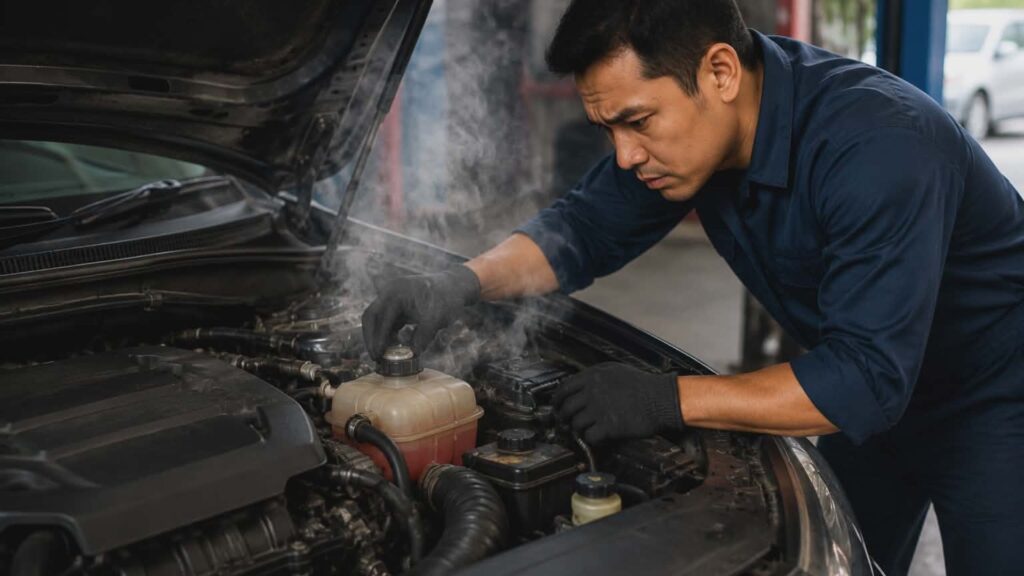
Engine Coolant Over Temperature: What It Means and How to Fix It Fast Your dashboard lights up, the temperature gauge shoots into the red, and suddenly you’re wondering if your car is about to become a very expensive paperweight. Sound familiar? If you’ve ever seen the engine coolant temperature warning light flicker on, you know how unsettling that moment can be. Here’s the good news: understanding what’s happening under the hood can help you act fast and avoid serious damage. What Does “Coolant Over Temperature” Actually Mean? Your vehicle’s cooling system works constantly to keep the engine running within a safe operating temperature range. When that system struggles, heat builds up fast. The coolant over-temperature warning light is your car’s way of saying the engine is overheating and needs attention – right now. This isn’t a warning you can ignore and deal with later. An overheating engine can warp the cylinder head, blow the head gasket, or even crack the engine block. Any one of those repairs will cost significantly more than catching the problem early. Common Causes of an Overheating Engine There’s rarely just one reason an engine runs too hot. Here are the most frequent culprits: Low coolant level – A low coolant level in the reservoir is one of the most straightforward causes. Coolant can drop due to leakage or gradual evaporation. Coolant leak – If you notice a puddle or wet spots under your vehicle, or smell something sweet near the engine compartment, you likely have a leak. Don’t ignore it. Faulty thermostat – A thermostat stuck closed prevents coolant flow and causes heat to build rapidly. Failing water pump – The water pump is responsible for keeping coolant moving through the system. If it malfunctions, the coolant won’t circulate properly. Blocked radiator – A clogged or damaged radiator can’t dissipate heat effectively, especially if air flow is restricted. Damaged radiator cap – A worn radiator cap can’t maintain proper pressure, which means coolant boils sooner than it should. Some vehicles, like the Ford Fusion, are known for specific cooling system sensitivities. If you drive one, it’s worth staying ahead of routine checks. What to Do When the Temperature Warning Light Comes On First, don’t panic – but do act quickly. Here’s what to do: Pull over safely as soon as possible – it’s not safe to drive with an overheating engine. Turn off the air conditioning and roll down the windows to reduce engine load. If you must drive briefly in traffic, turn on the heater and set the fan to high to help draw heat away from the engine. Once stopped, let the engine cool completely before opening the hood. You could be met with hot steam that looks like smoke if you open it too soon. After the engine has cooled, check the coolant level in the reservoir. If it’s low, adding coolant (the correct type of coolant for your vehicle) can help – but only as a temporary fix. If you notice a leak or the problem persists, call for roadside assistance. Do not continue driving. Never remove the radiator cap while the engine is still hot. The pressure inside can cause serious burns. Why You Shouldn’t Just Top Up the Coolant and Move On It might be tempting to simply top up the coolant level and call it a day. But if your coolant temperature keeps rising, something is wrong with the cooling system itself. A one-time refill won’t address the issue if there’s an underlying problem with the cooling system, like a failing thermostat, a damaged head gasket, or a weak water pump. A professional inspection through advanced automotive computer diagnostics can pinpoint the exact cause, saving you from guessing – and from making things worse. When to Check Coolant Levels Regularly The best way to avoid an overheating crisis is to check coolant levels as part of your regular maintenance routine. Catching a low coolant level or a slow leak early is far cheaper than replacing a warped cylinder head. At Don & Joe’s Auto Service in New Castle, IN, the team offers routine preventative maintenance services that include cooling system inspections. Staying on schedule means fewer surprises on the road. How Don & Joe’s Can Help Whether you’re dealing with an overheating engine right now or you want to inspect your vehicle before a problem develops, the ASE-certified technicians at Don & Joe’s Auto Service are ready to help. They offer vehicle heating and cooling system repair, professional engine repair services, and comprehensive auto repair services – all backed by a 1-year warranty on most parts and labor. If your car won’t start after overheating, or you’re seeing engine cooling issues that keep coming back, don’t wait it out. Conclusion An engine coolant over-temperature warning isn’t something to shrug off. Acting fast, understanding the common causes, and getting a proper diagnosis can mean the difference between a simple fix and a costly engine repair. If your temperature gauge is climbing or your warning light just came on, call Don & Joe’s Auto Service in New Castle, IN at 765-529-3555 to schedule an inspection today. Your engine will thank you.

Engine Coolant Over Temperature: What It Means and How to Fix It Fast Read More »

7 Clear Signs Of Car Water Pump Failure You Shouldn't Ignore

7 Clear Signs Of Car Water Pump Failure You Shouldn’t Ignore

7 Clear Signs Of Car Water Pump Failure You Shouldn’t Ignore Your car’s water pump works quietly in the background, keeping your engine from turning into a very expensive piece of scrap metal. But when it starts to fail, the consequences can be serious – and fast. Knowing the signs of a failing water pump early can save you from a blown head gasket, a damaged cylinder head, or complete engine failure. Here’s what to watch for before things get worse. What A Car Water Pump Does And Why It Matters Understanding how the water pump works helps explain why it’s so important. The car’s water pump plays a central role in your engine’s cooling system. It uses an impeller – a spinning blade inside the pump – to circulate coolant from the radiator through the engine block and cylinder head, then back again. This constant loop pulls heat from the engine and keeps the engine temperature in a safe range. The pump is driven by either the serpentine belt or the timing belt, depending on your vehicle. When the water pump fails, coolant stops moving, the engine temperature spikes, and you’re looking at serious damage to your engine in a matter of minutes. 7 Signs Your Water Pump Is Failing Engine Overheating – The Most Obvious Warning Sign When the engine is overheating, it’s one of the most obvious signs that something is wrong with your cooling system. If the pump cannot move coolant properly, heat builds up fast. You’ll notice the temperature gauge climbing toward the red zone. Engine overheating isn’t just inconvenient – continuing to drive with a failing water pump is extremely risky. An overheated engine can warp the cylinder head, crack the engine block, or destroy internal components entirely. Coolant Leaks Around The Water Pump Area A water pump leak is one of the earliest and most common signs of a failing water pump. The pump has seals and gaskets that degrade over time due to heat, pressure, and wear and tear. When the pump gasket fails, coolant begins seeping out. You might notice a puddle of coolant – usually green, orange, or pink liquid – forming around the front of the engine or beneath your vehicle after it’s been parked. If you spot coolant collecting around the water pump area, get the water pump checked before the leak gets worse. Steam Coming From The Radiator Or Hood Steam rising from under your hood is never a good sign. When coolant can’t circulate properly due to a malfunctioning water pump, the engine runs hotter than it should, causing the coolant in the radiator to boil over. If you see steam – or what looks like smoke – coming from under the hood, turn off the engine immediately. Pull over safely and do not continue driving. Letting a steaming, overheated engine keep running causes rapid damage to your vehicle. Unusual Noise Coming From The Front Of The Engine Hear a grinding, whining, or rumbling sound coming from the front of your vehicle? That noise could be pointing directly to your water pump. The pump shaft and bearing inside the pump can wear out over time, especially if the coolant has been contaminated with rust or corrosion. A worn-out water pump will often produce a distinct, rhythmic noise near the front of the engine block. This is a clear symptom of a failing water pump and should not be ignored. If you’re hearing something unusual, have the vehicle inspected right away. Coolant Residue Or Rust Around The Pump Check the water pump area for dried coolant deposits, rust stains, or corrosion around the pump. A slow water pump leak may not always leave a puddle, but it will often leave behind crusty buildup or rust on the metal surfaces surrounding the pump. Corrosion can also develop inside the pump itself, degrading the impeller blades and reducing the pump’s ability to circulate coolant effectively. Over time, this can cause the pump to fail before dramatic symptoms appear. Heater Stops Blowing Warm Air Most drivers don’t immediately connect a cold heater to water pump issues, but there’s a direct link. Your vehicle’s heater core relies on hot coolant flowing through it. When a damaged water pump can’t circulate coolant properly, the heater core doesn’t receive the heat it needs. If the temperature of the engine seems normal but your cabin heat has suddenly dropped, a bad water pump could be the cause. This is one of the subtler water pump symptoms worth paying attention to. Visible Wobble In The Water Pump Pulley If you can safely observe the front of the engine while it’s idling, watch the water pump pulley. A wobbling or loose pulley is a sign of failure in the bearing or pump shaft. The water pump pulley should spin smoothly with zero wobble. A loose pulley is a serious warning sign that the pump can seize at any moment, which would immediately stop coolant flow and cause the engine to overheat rapidly. What Causes Water Pump Failure? Understanding the causes of water pump failure helps you take steps toward preventing water pump problems before they start. Common causes include: Worn bearings – Normal wear over time breaks down the bearing inside the pump Coolant contamination – Rust, corrosion, or using the wrong type of coolant degrades internal components Belt problems – A failing serpentine belt or timing belt puts abnormal stress on the pump Premature failure – Manufacturing defects or improper installation can shorten pump life significantly Following routine preventative maintenance services goes a long way toward extending pump life and catching signs early before small issues become expensive repairs. Should You Replace The Water Pump With The Timing Belt? If your water pump is part of the timing belt system, most mechanics – including the team at Don & Joe’s – recommend replacing the water pump during timing belt service. Since accessing the pump during timing belt service requires the same labor, it makes

7 Clear Signs Of Car Water Pump Failure You Shouldn’t Ignore Read More »

7 Common Car Repairs You Shouldn't Ignore (And What They'll Cost You)

7 Common Car Repairs You Shouldn’t Ignore (And What They’ll Cost You)

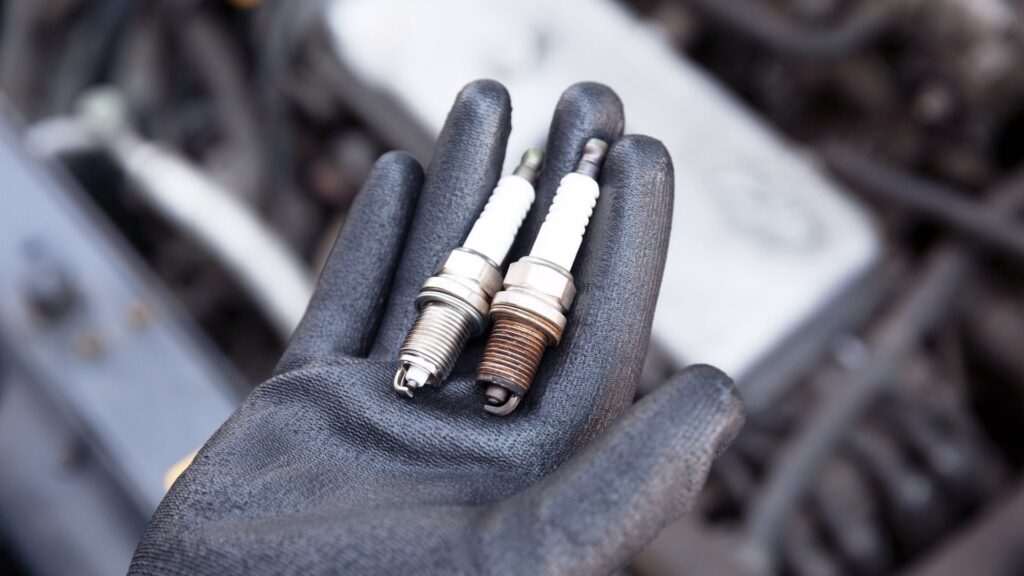
7 Common Car Repairs You Shouldn’t Ignore (And What They’ll Cost You) Your car has a way of sending signals when something is wrong. Sometimes it’s a warning light on the dashboard. Other times, it’s a strange noise, a rough ride, or a repair bill that catches you completely off guard. The good news is that most common car repairs are far less painful when you catch them early. Whether you drive a truck or a compact sedan, understanding what your vehicle needs and what happens when you ignore it can save you serious money and time in the shop. Here’s a look at 7 of the most common repairs drivers face, what they typically cost, and why putting them off is almost never worth it. Brake Pad Replacement One of the most common car repairs is also one of the most critical for your safety. Brake pads wear down over time, and when they do, your stopping distance increases and your rotors can take serious damage. Regular brake inspections help you stay ahead of this before it turns into a full brake system overhaul. Brake pad replacement typically runs between $150 and $300 per axle, depending on your vehicle. Ignoring worn brake pads can lead to rotor damage that doubles or triples the cost. If your brakes are squealing or grinding, don’t wait – schedule a brake inspection right away with a trusted team offering suspension and brake repair services. Oil Change and Filter Service A regular oil change is the simplest form of preventative maintenance you can do for your engine, yet it’s still one of the most commonly skipped services. Motor oil lubricates the moving parts inside your engine, reduces friction, and helps keep your engine running smoothly. Without it, components grind against each other and wear out fast. Most vehicles need an oil change every 3,000 to 7,500 miles, depending on driving habits and oil type. Skipping regular oil changes can lead to sludge buildup, reduced fuel efficiency, and eventually serious engine damage. This is one of those basic repairs where the cost of prevention, usually $40 to $80, is a fraction of what neglect will cost you later. Spark Plug Replacements Spark plugs are small but mighty. They fire the ignition inside your engine’s cylinders, and when they start to fail, you’ll notice misfires, rough idling, and reduced gas mileage. Faulty spark plugs are a common vehicle issue that directly affects engine performance and fuel economy in automobiles. Spark plug replacements are relatively affordable, ranging from $100 to $250 depending on your engine type. Left too long, worn plugs can damage the ignition system and lead to costlier repairs down the road. Replacing them on schedule – usually every 30,000 to 100,000 miles – is a smart way to keep your engine running like new. Oxygen Sensor Replacement Your oxygen sensor monitors the exhaust gases leaving your engine and helps regulate the fuel-to-air mixture. When it fails, your vehicle may experience reduced fuel efficiency, increased emissions, and a check engine light that won’t go away. An oxygen sensor failure is one of the 10 most common car repairs flagged by diagnostics in shops across the country. Replacing an oxygen sensor typically costs between $150 and $400, including parts and labor. While it might seem minor, a faulty oxygen sensor can cause your engine and transmission to work harder than they should, leading to bigger problems down the line. Don’t ignore that check engine light. It’s worth having a mechanic look at it sooner rather than later. Cooling System and Radiator Repairs Your cooling system keeps your engine from getting too hot, and when it starts to fail, the consequences can be severe. A leaking radiator, low coolant levels, or a failing thermostat can cause your engine to overheat and potentially blow a head gasket, one of the most expensive repairs a driver can face. Coolant flushes and fluid changes are part of routine maintenance and cost between $80 and $150. Radiator repairs or replacement can range from $300 to $900 or more, depending on the vehicle. Keeping an eye on your engine temperature gauge and fluid levels is a simple habit that can extend the life of your engine significantly. If you notice your car is running hot, have it inspected before minor cooling system issues turn into major problems. Alternator Repair or Replacement Your alternator charges your battery and powers the electrical system while your engine runs. When it starts to fail, you might notice dimming lights, a dead battery, or strange electrical issues throughout the car. Many drivers assume the problem is the battery, but the alternator is often the real culprit. Alternator replacement typically costs between $350 and $700, depending on the make and model. A failing alternator can leave you stranded without warning, so if your battery warning light is on or your vehicle’s performance feels off electrically, have it tested at a reliable repair shop. Catching this early prevents the kind of breakdown that ruins your whole day. Air Filter Replacement A clogged air filter restricts airflow to your engine, which reduces power, lowers fuel efficiency, and can lead to a rough-running engine down the line. It’s one of the most overlooked car parts in routine maintenance, even though replacement is quick and affordable. Air filter replacement typically costs between $20 and $60. Most mechanics recommend replacing your air filter at least once a year or every 12,000 to 15,000 miles, whichever comes first. It’s one of the simplest maintenance tasks that has a real impact on how your car performs over time. How Preventative Maintenance Saves You Money The 7 most common repairs drivers deal with share one thing in common: most of them could have been reduced in severity or cost with consistent preventative vehicle maintenance.  Tire rotations, fluid level checks, alignment inspections, timing belt service, and fuel cap inspections all fall under the category of common DIY checks and professional services that keep costly repairs from

7 Common Car Repairs You Shouldn’t Ignore (And What They’ll Cost You) Read More »

How Long Do Car Repairs Take? A Realistic Timeline for Common Repairs

How Long Do Car Repairs Take? A Realistic Timeline for Common Repairs

How Long Do Car Repairs Take? A Realistic Timeline for Common Repairs If you’ve ever dropped your car off at a repair shop and wondered why it’s taking so long, you’re not alone. Car repair times vary wildly depending on what’s wrong, what parts are needed, and how busy the shop is. Whether it’s a routine oil change or a major engine overhaul, knowing how long car repairs take helps you plan your day, your week, and sometimes even your month. Here’s a realistic, no-fluff breakdown of what to expect. Why Repair Timelines Are Hard to Predict The honest answer is that no two repairs are exactly the same. The time it takes to complete a job depends on a handful of moving parts, and not all of them are within the shop’s control. The extent of the damage is usually the biggest factor. A cracked bumper looks minor but might require parts that take days to arrive. A grinding brake pad might be a quick fix, or it could reveal worn rotors, a damaged disc brake, or a deeper suspension issue that takes much longer to address. Other variables that affect repair timelines include: Parts availability – Some components are stocked locally, while others need to be ordered. Specialty parts for older vehicles or less common models can take weeks to arrive. Shop workload – A busy repair shop during peak season means your car may sit in a queue before a technician even opens the hood. Insurance claims – If your vehicle was in a collision and an insurance claim is involved, waiting for approval from your insurance provider can add several days to the process. Diagnostic time – Before any repair work begins, technicians often need time to diagnose the root cause accurately. Typical Repair Times for Common Jobs Here’s a look at average repair durations for the most frequent types of repairs drivers in New Castle, IN bring in. Oil Changes and Routine Maintenance For most vehicles, an oil change, including a motor oil swap and filter replacement takes 30 to 60 minutes. Routine preventative maintenance services like tire rotations, fluid checks, and spark plug replacements generally fall in the 1-2 hour range, assuming no additional issues are found. These are the jobs where staying on schedule actually saves you time. Skipping maintenance often leads to bigger problems that take much longer to fix. Brake Repairs Brake pad replacement is one of the most common repair jobs a shop handles. Replacing brake pads on a standard vehicle with disc brakes typically takes 1 to 3 hours. If the rotors or calipers also need attention, that number can climb to 4 or more hours. If you’re dealing with a full brake system inspection and repair – covering all four wheels, budget for a full day. For reliable suspension and brake repair, a shop that knows your vehicle’s systems will diagnose efficiently and get you back on the road faster. Suspension Repairs Car suspension work typically takes anywhere from 1 to 5 hours, depending on what components need repairs. Replacing a strut or shock absorber on one wheel might take a couple of hours. A full suspension overhaul takes considerably longer. Wheel alignment, which often accompanies suspension work, adds another 1 to 2 hours to the overall repair duration. Engine Repairs Engine repair is where timelines can stretch significantly. Minor repairs like replacing a thermostat (which affects temperature regulation) or fixing a small oil leak might wrap up in a few hours. But repairs like a head gasket replacement, timing chain work, or diagnosing complex engine codes can take 1 to 3 days or more. For major engine work or a complete replacement, the process can take a week or longer. The good news is that expert engine repair and diagnostics from experienced technicians can significantly reduce guesswork and downtime. Transmission Repairs Transmission work is among the more time-intensive repairs a vehicle can need. A simple transmission fluid service might take an hour or two. But rebuilding or replacing a transmission, a complex mechanical device with hundreds of components, typically takes 3 to 5 days, sometimes longer depending on the extent of the damage and parts availability. If you need reliable transmission repair services, choosing a shop with hands-on experience in transmission work makes a real difference in turnaround time and repair quality. Heating and Cooling System Repairs Heater core replacements and radiator repairs tend to take 2 to 8 hours, depending on the vehicle and how accessible the components are. Some cars require removing significant portions of the dashboard to reach the heater core, which makes the job considerably more labor-intensive. Air conditioning repairs vary even more. A refrigerant recharge is quick, usually under an hour – but diagnosing and fixing a compressor or leak can take a full day or more. Factors That Affect Collision and Body Repair Times If your vehicle was involved in a traffic collision, the repair timeline looks different from a standard mechanical job. Collision repair, including auto body work, paint, and structural components, involves more variables than most types of repairs. How Long Does Collision Repair Take? Minor collision damage, like a scraped bumper or a small dent, might be handled in 1 to 3 days. More serious crash repairs involving frame damage, airbag replacement, or extensive auto body repair can take 1 to 3 weeks or longer. Auto body repair also involves paint matching and curing time, which isn’t something that can be rushed without affecting quality. Body repairs done right require time, and that’s worth respecting. How Long Does Auto Body Work Take? Auto body shops factor in multiple steps: disassembly, damage assessment, ordering parts, repair work, painting, and reassembly. Each phase adds time. umper repairs on a standard vehicle might take a day or two, but if the part is tied into sensors or structural components, the job can take considerably longer. Hail damage repair is another category that varies widely. Light hail damage on a hood

How Long Do Car Repairs Take? A Realistic Timeline for Common Repairs Read More »

6 Car Water Pump Failure Signs You Should Never Ignore

6 Car Water Pump Failure Signs You Should Never Ignore

6 Car Water Pump Failure Signs You Should Never Ignore Your car’s engine runs hot – extremely hot. Without a system working constantly to pull heat from the engine and keep temperatures in check, you’d be stranded on the side of the road within minutes. That system depends heavily on one often-overlooked component: the water pump. When a water pump starts failing, the warning signs can be subtle at first. But if you ignore them, you could be looking at serious engine damage and a much bigger repair bill. Learning the signs early can save you time, money, and a whole lot of stress. What a Water Pump Does and Why It Matters The water pump is one of the hardest-working parts of your vehicle’s cooling system. Its job is simple but critical, it keeps coolant circulating between the engine block, the radiator, and back again, drawing heat away from vital engine components before temperatures get out of hand. The pump is driven by either a timing belt or a serpentine belt, depending on your vehicle. As long as the engine is running, the pump should be moving coolant through the system. The moment it stops doing its job, your engine is at risk. Understanding how the water pump works helps you recognize when something is wrong. Without a working pump, coolant flow stops, temperatures spike, and what starts as a minor issue can escalate into a blown head gasket or warped cylinder heads. Common Signs Your Water Pump Is Failing Your Engine Is Overheating This is the most obvious red flag. If you see the temperature gauge climbing higher than normal or you notice steam coming from under the hood, shut the engine off as soon as it is safe to do so. An overheating engine due to a water pump that has stopped circulating coolant can cause severe internal damage in a short amount of time. Overheating can lead to a warped cylinder head, a blown head gasket, or even damage to the cylinder walls. Continuing to drive on an overheating engine is one of the most expensive mistakes a driver can make. Coolant Leak Near the Front of the Engine A coolant leak pooling at the front of the engine is one of the clearest signs of a failing water pump. The pump uses seals and gaskets to keep coolant contained as it flows through the system. Over time, those seals and gaskets wear down, crack, or corrode, allowing coolant to escape. You might notice a puddle of green, orange, or pink fluid at the front of your vehicle after parking. If you find the source and it traces back to the pump housing or gasket, the pump may need immediate attention. Ignoring a coolant leak, even a small one, puts the entire cooling system at risk. Whining or Squealing Noise From the Engine A whining or squealing noise coming from the front of the engine could point to a problem with the water pump pulley or the bearing inside the pump. A worn or damaged bearing can cause the pulley to wobble, which in turn causes the belt to slip or produce noise under load. This kind of noise often gets worse as the engine warms up. If you hear a steady whine or grinding sound near the front of the engine, do not wait to have it checked. A failing bearing can lead to complete failure of the pump without much additional warning. Low Coolant Levels With No Visible Leak Sometimes a pump may cause slow internal seepage that is not immediately visible on the ground. If you find yourself adding coolant regularly but cannot find an obvious external leak, the pump’s internal seal may be allowing coolant to escape into areas it should not reach. Low coolant levels left unchecked reduce coolant flow, causing the engine to overheat even when the thermostat opens correctly. This can easily be mistaken for a thermostat problem when the real issue is a worn-out water pump. Steam or Smoke Under the Hood If you see steam rising from under the hood while the engine is running, that is a serious sign that the engine is overheating. Steam typically means coolant has reached a boiling point within the engine, which happens when the pump stops moving fluid through the radiator effectively. Pull over safely, turn off the vehicle, and do not open the radiator cap. Let the engine cool completely before inspecting anything. Then have the vehicle towed to a shop for a proper diagnosis. This is not a situation to push through. Heater Stops Working Properly Your heater relies on hot coolant passing through the heater core to warm the cabin. If the pump is no longer circulating coolant effectively, you might notice the heater blowing cool or lukewarm air even when the engine is fully warmed up. This reduced coolant flow through the heater core is a subtle but telling water pump symptom. Common Causes of Water Pump Failure Understanding the common causes of pump failure can help you prevent the problem before it starts. Wear and tear – The bearing, impeller, and seals inside the pump degrade naturally over time, especially on high-mileage vehicles. Corrosion – Rust and corrosion from contaminated or improperly mixed coolant can eat away at the pump housing and internal components. Belt problems – A worn or loose serpentine belt or timing belt can put extra stress on the pump, accelerating wear. Gasket failure – The gasket between the pump and engine block can break down, causing leaks and reduced efficiency. Keeping up with your scheduled preventative maintenance services goes a long way toward catching these issues before a broken water pump leaves you stranded. What Happens If You Ignore a Damaged Water Pump A damaged water pump does not fix itself. The longer you wait, the more likely you are to face cascading failures. Reduced coolant flow causes the engine to overheat, overheating issues stress the head gasket, and a

6 Car Water Pump Failure Signs You Should Never Ignore Read More »

Why Does the Inside of My Car Smell Like Coolant? Warning Signs You Shouldn't Ignore

Why Does the Inside of My Car Smell Like Coolant? Warning Signs You Shouldn’t Ignore

Why Does the Inside of My Car Smell Like Coolant? Warning Signs You Shouldn’t Ignore You climb into your car, turn the key, and almost immediately notice something odd. There’s a sweet, almost syrupy odor that doesn’t belong. It’s not an air freshener. It’s not food. It smells like antifreeze, and it’s coming from inside your vehicle. That smell is your car trying to tell you something. And you should listen. What Is That Sweet Smell, Anyway? Coolant, also known as antifreeze, contains ethylene glycol, a chemical compound that produces a distinctly sweet smell when it heats up or leaks. It’s oddly pleasant for something that signals a potential problem. The issue is that ethylene glycol is toxic, and breathing it in regularly inside the cabin isn’t something you want to ignore. When your car smells like this inside the vehicle, it usually means coolant is getting somewhere it shouldn’t be. Common Reasons You Smell Coolant Inside Your Car A Leaking Heater Core This is the most frequent culprit. The heater core is a small radiator-like component tucked behind your dashboard on the passenger side. It uses hot coolant from the engine to warm the air that blows through your HVAC system and into the cabin. When the heater core is leaking, that coolant can evaporate and get pushed through the vents directly into your car’s interior. You might also notice your windshield fogging up more than usual, or even find wet carpet on the passenger side floor. A heater core replacement is often the fix, and it’s not a job to put off. A Coolant Leak Somewhere in the Engine Bay Not every leak starts inside the cabin. Sometimes, a small leak from a hose, the radiator, or the radiator cap allows coolant to drip onto a hot engine surface. As it hits the heat, it evaporates and the odor gets pulled into the cabin through the vehicle’s air intake. Pop the hood and look for visible residue, a puddle beneath the car, or signs of leakage around hoses and connections. If the coolant level in the coolant reservoir looks low, that’s a red flag worth taking seriously. A Blown Head Gasket This one is more serious. The head gasket seals the inside of the engine, keeping coolant and oil from mixing. When a gasket fails, coolant can burn off through the exhaust or leak into areas it shouldn’t reach. You might notice white smoke from the exhaust, an overheating engine, or coolant loss without any visible puddle under the car. A blown head gasket can lead to significant engine damage if left unaddressed. If you suspect this is the issue, getting professional engine repair services from a qualified technician is the right move. Overflow or Pressure Issues Sometimes the coolant reservoir overflows when the cooling system builds up too much pressure. If the radiator cap isn’t sealing properly, it can allow steam and coolant odor to escape. That antifreeze smell can then travel into the cabin through the air intake or defrost system. A simple pressure test can determine whether the coolant system is holding pressure correctly or losing it somewhere along the line. Warning Signs You Should Never Ignore A coolant smell inside your car is a warning sign on its own, but it rarely shows up alone. Watch for these additional signals: Your temperature gauge is creeping higher than normal You’re topping off the coolant level more often than you should be There’s white or sweet-smelling smoke coming from under the hood or through the exhaust Your windshield keeps fogging up, especially when you use the defrost setting The carpet on the passenger side feels damp or has a faint antifreeze odor You can smell it inside even when the heat or AC isn’t running Any one of these symptoms paired with a coolant odor means it’s time to have the cooling system inspected by a professional. Why You Shouldn’t Wait on This Coolant plays a critical role in keeping your engine from overheating. It’s a mix of water and ethylene glycol designed to regulate engine temperature in both hot and cold weather, preventing rust, corrosion, and freezing. When the leak goes unaddressed, you’re not just dealing with a bad smell. You’re looking at the risk of a hot engine, engine damage, and potentially getting stranded on the road. Even a small leak can become a big problem fast. Beyond the mechanical risks, ethylene glycol is harmful when inhaled over time. Having that antifreeze leak circulate through your HVAC system and into the air you breathe inside the vehicle is a legitimate health concern. The right call is to get auto heating and cooling system repair handled before the problem compounds. What a Technician Will Do A qualified mechanic will start by inspecting the heater core, hoses, radiator, and coolant reservoir for any obvious signs of leakage. They’ll likely run a pressure test on the cooling system to find leaks that aren’t immediately visible. If the core is leaking, they’ll discuss heater core replacement options. If the issue is with a hose, gasket, or radiator cap, those are generally quicker fixes. Advanced computer diagnostics for vehicles can also help identify underlying issues that aren’t obvious to the naked eye. In some cases, a coolant flush, having your coolant flushed and replaced with fresh fluid, may be recommended as part of the solution, especially if the old coolant has broken down and is causing corrosion from the inside out. Keeping up with routine preventative maintenance services is one of the best ways to catch these issues before they become expensive repairs. What Don and Joe’s Auto Service Can Do for You At Don and Joe’s Auto Service in New Castle, IN, the team has been diagnosing and repairing cooling system problems since 1977. Whether you’re dealing with a mysterious sweet smell coming from your vents, a fogged-up windshield, or a temperature gauge that’s running hot, the ASE-certified technicians here have seen it all and know exactly

Why Does the Inside of My Car Smell Like Coolant? Warning Signs You Shouldn’t Ignore Read More »

Vehicle Heater Not Working? 6 Common Causes and Quick Fixes

Vehicle Heater Not Working? 6 Common Causes and Quick Fixes

Vehicle Heater Not Working? 6 Common Causes and Quick Fixes There is nothing quite like turning on your car heater on a cold Indiana morning, only to get a blast of cold air in return. If your car heater isn’t working, you are not alone. It is one of the most frustrating vehicle problems, especially when temperatures drop, and you are relying on your cabin heat to stay comfortable and safe on the road. The good news is that most heater problems have identifiable causes. Understanding what is going wrong can help you decide whether this is something you can address yourself or whether it is time to call in the professionals. Reasons Why Your Car Heater Is Not Blowing Hot Air Before jumping to conclusions, it helps to know how your heater actually works. Your car’s heating system uses heat from the engine coolant to warm the air that flows into your cabin. The coolant absorbs heat from the engine, travels through the heater core, and then the blower motor pushes air through the heater core and into your vehicle’s vents. When any part of that process breaks down, your heater isn’t blowing hot air as it should. Here are the most common possible causes behind a broken heater. Low Coolant Level One of the most straightforward reasons why your car heater stops working is a low coolant level. The heater core functions like a small radiator inside your dashboard, and it needs a steady supply of hot antifreeze to warm the air coming into your cabin. If the coolant level is too low, there simply is not enough hot fluid flowing through the system to produce warm air from the heater. Check your coolant level by locating the reservoir under the hood. If it is below the minimum line, topping it off may restore heat quickly. However, consistently low coolant can signal a leak somewhere in the cooling system, which needs immediate attention to prevent the engine from overheating. A Faulty Thermostat The thermostat controls when coolant flows from the engine to the radiator. If you have a faulty thermostat that is stuck open, coolant circulates continuously without ever reaching the proper engine temperature. As a result, the heater core never receives enough hot coolant to produce warm air, leaving you with nothing but lukewarm air or cool air at best. Replacing a thermostat is a relatively affordable fix, but it needs to be done correctly to avoid engine overheating or other complications. A faulty heater situation caused by a bad thermostat is easy to diagnose with the right tools. Clogged Heater Core The heater core can become restricted over time. Rust, debris, and mineral buildup inside the cooling system can clog the small tubes inside the heater core, preventing coolant from flowing through properly. When coolant flow to the heater is blocked, the heater core won’t transfer heat from the engine coolant to the cabin air the way it should. A clogged heater core sometimes comes with additional symptoms, like a sweet antifreeze smell inside the cabin or foggy windows. If you notice those signs, it is worth having the system inspected before the problem escalates. Blower Motor Issues Even if your heater core is working correctly, a malfunctioning blower motor means no air from the heater core will reach you. The blower motor pushes air through the system and out through the vents. If the motor itself, the resistor, or even a fuse related to the blower stops working, you might get heat in your vehicle that stays cold because the airflow simply is not happening. If you notice the heater is not blowing at all on certain fan settings, a worn resistor or failing blower motor is likely the culprit. Air Pockets in the Coolant System Air pockets in the coolant system are another sneaky cause of heater problems. Trapped air in the lines can prevent the heater from circulating engine coolant to the cabin the way it should. This often happens after a coolant flush or repair if the system is not properly bled. Bleeding the cooling system removes air pockets and restores normal coolant flow through the heater core. Heater Control Valve Problems The heater control valve regulates how much coolant flows into the heater core. A damaged or stuck heater control valve can restrict or completely cut off coolant from flowing, which will prevent the heater from producing hot air. This is a component that does not always get immediate attention, but it plays a key role in a functioning heater. When to See a Professional Car heater problems can range from a simple coolant top-off to more complex repairs involving the heater core or blower motor. If you have checked the coolant level and the heater isn’t working properly, it is time to have it professionally diagnosed. Most issues causing your car heater to underperform are best handled by an experienced technician with the right diagnostic tools. At Don and Joe’s Auto Service, the team offers auto heating and cooling system repair alongside professional engine repair services, routine preventative maintenance services, and advanced vehicle computer diagnostics to pinpoint exactly what is causing your vehicle’s heater to not perform as expected. Conclusion A car heater isn’t working correctly when something breaks down in the heating system, whether it includes low coolant levels, a broken heater core, or a blower motor issue. Do not ignore the warning signs. The team at Don and Joe’s Auto Service in New Castle and Henry County, IN, has been helping drivers stay warm and safe since 1977.  If your vehicle’s heater isn’t keeping you comfortable this season, give them a call at 765-529-3555 or visit donandjoesautoservice.com to schedule your inspection today.

Vehicle Heater Not Working? 6 Common Causes and Quick Fixes Read More »

5 Causes Of Car AC Not Blowing Cold Air And How To Fix Them Fast

5 Causes Of Car AC Not Blowing Cold Air And How To Fix Them Fast

5 Causes Of Car AC Not Blowing Cold Air And How To Fix Them Fast There are few things more miserable than sitting in traffic during the hot summer months and realizing your car’s AC system is blowing warm air instead of keeping you cool. It’s one of those problems that feels minor until it isn’t, and by the time most drivers notice their car’s AC isn’t blowing cold air, the issue has often been building for a while. The good news is that the most common car AC problems have clear causes and real solutions. Let’s walk through what’s likely going wrong and what you can do about it. Low Refrigerant Level – The Most Common Reason Your AC Stops Working If your AC is not blowing cold air, low refrigerant is almost always the first place to look. Refrigerant is the substance that absorbs heat from the air inside your vehicle and releases it outside, and without enough of it, the cooling process breaks down entirely. A low refrigerant level usually points to an AC leak somewhere in the system. Refrigerant doesn’t just disappear on its own. It escapes through worn O-rings, damaged hoses, or small cracks in the lines. An AC leak that goes unaddressed can eventually cause your AC to stop working altogether. Fixing this isn’t a DIY job. Handling AC refrigerants requires specialized equipment and certification. A professional technician can locate the leak, make the necessary repairs, and recharge the system to the correct pressure. A Faulty Compressor That Isn’t Moving Refrigerant The AC compressor is responsible for circulating refrigerant through the system. Think of it as the heart of your car’s air conditioning system; when it fails, nothing else works properly. A failing compressor often comes with warning signs. You might hear a loud noise when you turn on the AC, notice that the air temperature barely drops, or find that the system cycles on and off erratically. A faulty compressor can also be caused by the AC compressor clutch failing to engage, which prevents the unit from running at all. Running the AC infrequently, especially through the winter, can actually cause the compressor to seize due to a lack of lubrication. The best way to prevent this is to run your air conditioner for a few minutes every few weeks, even when it’s cold outside. A Clogged Or Dirty Cabin Air Filter Blocking Airflow This one surprises a lot of drivers. A clogged or dirty cabin air filter doesn’t just reduce air quality; it restricts airflow so significantly that it can prevent your AC from cooling effectively, even if everything else in the system is working correctly. The dirty cabin air filter is one of the most overlooked parts of vehicle maintenance. Dust, pollen, debris, and other pollutants build up over time. A clogged filter will cause the system to work harder while delivering weaker results. Most manufacturers recommend replacing the cabin air filter every 15,000 to 25,000 miles. Replacing a cabin air filter is one of the easier fixes on this list and a standard part of preventative vehicle maintenance services. If you haven’t had yours checked recently, it’s worth looking into. Condenser Problems That Reduce Cooling Performance The condenser sits at the front of your car, just in front of the radiator, and its job is to release the heat that the refrigerant absorbs from inside the cabin. If the condenser gets blocked by debris, bugs, or dirt, it can’t do its job, and your AC’s cooling efficiency drops fast. In more serious cases, the condenser itself can develop a leak or sustain physical damage. A damaged condenser will cause your AC to blow warm air, and it can also lead to issues like low refrigerant over time as the system slowly loses its charge. Cooling fans near the condenser also play a role. If the cooling fans aren’t spinning properly, heat can’t escape the system efficiently, and you’ll feel the difference inside the cabin. Electrical Issues That Cause AC Failures Electrical problems are often overlooked when diagnosing AC issues, but they’re more common than most people expect. A blown fuse, a faulty relay, or damaged wiring can prevent the entire system from functioning, even if the compressor and refrigerant are perfectly fine. Electrical issues can be tricky to track down without the right tools. This is where advanced vehicle computer diagnostics make a real difference, allowing technicians to identify sensor failures, wiring problems, and control module errors quickly and accurately. If your AC stopped working suddenly with no obvious cause, electrical problems are a strong possibility worth investigating. What You Can Do Right Now Before assuming the worst, check a few basics: Make sure your cabin air filter has been replaced recently Listen for unusual noises when you turn on the AC Check whether the air coming through the vent feels slightly cool or completely warm Look under the hood for any visible damage near the condenser For anything beyond a filter swap, it’s smart to bring your vehicle in for a professional inspection. Issues like low refrigerant, a faulty compressor, or AC leak repairs require proper tools and expertise to handle safely. The team at Don and Joe’s Auto Service offers complete auto repair services, including full auto heating and cooling repair services for drivers in New Castle, IN. With ASE-certified technicians and honest, straightforward service, keeping your car’s AC system in top shape doesn’t have to be complicated. Conclusion A car AC that isn’t cooling effectively isn’t something to ignore, especially when summer heat sets in. Whether the culprit is low refrigerant, a faulty compressor, a dirty cabin air filter, or electrical problems, catching the issue early saves time and money. Don and Joe’s Auto Service has been helping New Castle drivers stay comfortable on the road since 1977.  Call 765-529-3555 or visit donandjoesautoservice.com to schedule your AC inspection and get back to riding cool.

5 Causes Of Car AC Not Blowing Cold Air And How To Fix Them Fast Read More »

Ignition Coil vs Spark Plug: What's Really Behind Your Engine Misfire?

Ignition Coil vs Spark Plug: What’s Really Behind Your Engine Misfire?

Ignition Coil vs Spark Plug: What’s Really Behind Your Engine Misfire? Your check engine light is on. Your car shakes at idle. It hesitates when you press the gas. Sound familiar? Before you start worrying about major engine trouble, there’s a good chance the culprit is somewhere inside your vehicle’s ignition system, specifically, either a spark plug or an ignition coil. These two parts work together to keep your engine running smoothly, but they fail in different ways. Knowing which one is the problem can save you time, money, and a lot of guesswork. What’s the Difference Between a Spark Plug and an Ignition Coil? They’re both parts of the ignition system, but they do very different jobs. A spark plug is the part that actually fires inside the engine. It sits inside the combustion chamber and uses an electric spark to ignite the air-fuel mixture, which pushes the piston down and keeps your engine moving. Every cylinder has its own spark plug, and each one fires hundreds of times per minute. An ignition coil is essentially a transformer. The ignition coil transforms the battery’s low voltage, typically around 12 volts from your automotive battery, into the high voltage needed to create a spark strong enough to ignite the fuel mixture. Without it, the spark plug has no energy needed to fire. In short, the coil generates that voltage, and the spark plug uses it to fire inside the combustion chamber. How a Bad Spark Plug Causes a Misfire Spark plugs wear down over time. As the plug gap widens from normal wear or as carbon buildup coats the tip, the plug struggles to produce a spark consistently. When that happens, your engine misfires. A bad spark plug is one of the most common reasons drivers experience rough idle, poor fuel economy, sluggish acceleration, and intermittent stalling. The longer you wait, the worse it gets. Worn plugs ignite the air-fuel mixture inefficiently, which puts extra strain on your catalytic converter and can eventually cause engine damage. Most manufacturers recommend replacing spark plugs every 30,000 to 100,000 miles, depending on the type. Copper plugs wear faster, while iridium and platinum plugs last longer. Choosing the wrong heat range for your engine can also cause problems. The wrong plug can damage surrounding components if it runs too hot or too cold. How a Bad Ignition Coil Causes a Misfire A bad ignition coil tells a slightly different story. Instead of gradual wear like spark plugs, coils may fail suddenly or intermittently, which makes them trickier to diagnose. When a coil fails, it can’t transform the battery’s low voltage into the high voltage needed to fire the spark plug. The result? That cylinder misfires, your engine stumbles, and your fuel economy drops. In some cases, you’ll notice misfire codes pointing to one cylinder specifically, which is a strong clue that a coil-on-plug setup may have a failing coil. A faulty coil can also cause your engine to still misfire even after you’ve replaced the spark plugs. If you swapped new spark plugs and the problem didn’t go away, a bad ignition coil is likely the next thing to check. Aftermarket coils vary in quality, so it’s worth letting a professional mechanic choose the right replacement coil for your specific vehicle. Spark Plugs and Ignition Coils: How They Work Together You can’t really talk about one without the other. Coil packs and spark plugs work as a team. The ignition coil and spark plug are connected directly in modern coil on plug systems, meaning each cylinder gets its own coil. When either component fails, the whole cylinder suffers. Unburned fuel can foul the oxygen sensor, damage the catalytic converter, and put stress on the crankshaft and compression system over time. What starts as a simple misfire can turn into something much more serious. How to Diagnose the Problem The fastest way to figure out whether you have a spark plug or coil issue is with a scan tool. Engine misfires almost always trigger a code that points to the affected cylinder. From there, a mechanic can use a spark tester to check whether the plug or the coil is the weak link. At Don and Joe’s Auto Service, the team uses advanced vehicle computer diagnostics to get accurate answers fast. Guessing at parts wastes money. Diagnostics point you directly to the source. An ignition system inspection also checks plug gap, coil voltage output, and wire condition, giving a full picture of what’s going on under the hood. When to Get Your Vehicle Checked Don’t wait for a breakdown. If your car’s engine is misfiring, running rough, or showing a check engine light, it’s time to act. Staying on top of routine preventative maintenance services is the best way to catch spark plug and coil issues before they create bigger headaches. For anything more involved, the ASE-certified team at Don and Joe’s Auto Service provides professional engine repair services and comprehensive auto repair services that Henry County, IN, drivers have trusted since 1977. Call 765-529-3555 or visit donandjoesautoservice.com to schedule your appointment. Conclusion A misfire rarely fixes itself. Whether the issue is a worn spark plug, a faulty ignition coil, or both, catching it early protects your engine and your wallet. Don and Joe’s Auto Service in Henry County, IN, has the experience and diagnostic technology to find the real problem fast. Skip the guesswork, get an accurate diagnosis, and drive with confidence knowing the repair was done right the first time. Reach out today and let the team get you back on the road safely.

Ignition Coil vs Spark Plug: What’s Really Behind Your Engine Misfire? Read More »

Schedule

Schedule Your Appointment Today

Your Automotive Repair & Maintenance Service Specialist

What Our Customers Say

Privacy Policy
Manage Consent Preferences
| Do Not Share My Information | Conditions of Use | Notice and Take Down Policy | Website Accessibility Policy
© 2026 The content on this website is owned by us and our licensors. Do not copy any content (including images) without our consent.